
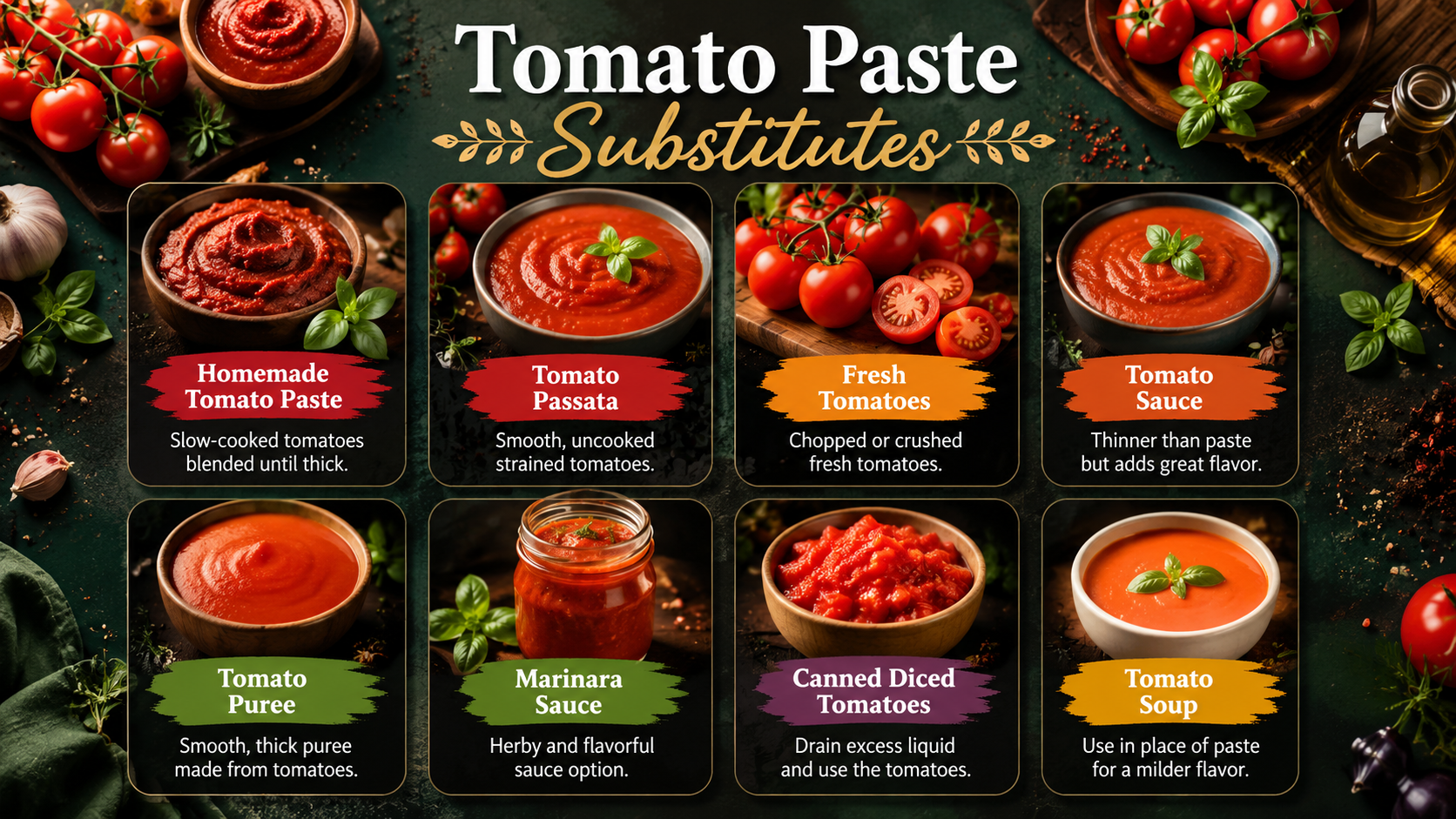
Replacing tomato paste with tomato sauce is a common culinary adjustment that can transform a dish while maintaining its rich tomato flavor. Whether you’ve run out of tomato paste or simply prefer the texture and consistency of tomato sauce, understanding how to make this substitution effectively is key. Both ingredients stem from the same source but differ in concentration and usage, making it essential to adjust the quantities and cooking methods accordingly. This guide will walk you through everything you need to know to make seamless swaps, ensuring your recipes still deliver the desired taste and texture.
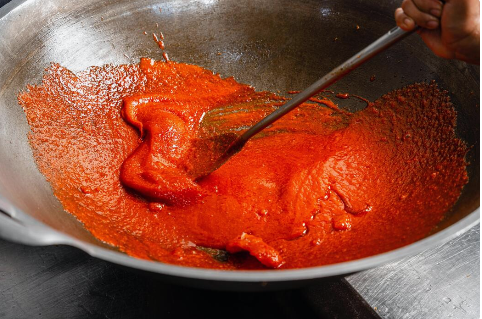
Replacing Tomato Paste with Tomato Sauce: Does It Really Work?
Many home cooks wonder if replacing tomato paste with tomato sauce is a viable culinary move. The short answer is an absolute yes. Because both ingredients share the same base ingredient—cooked down tomatoes—they carry similar foundational flavor profiles.
The primary difference lies in the concentration and water content. Tomato paste is essentially tomato sauce that has been cooked down for hours until the water evaporates, leaving a thick, rich solid. Therefore, replacing tomato paste with tomato sauce simply means reversing that logic. You just have to manage the excess liquid.
The Golden Ratio: Tomato Sauce to Tomato Paste Conversion Explained
To successfully execute this culinary swap, you need a precise formula. Here is the step-by-step process for the golden ratio:
Step 1: Identify the amount of tomato paste your recipe requires.
Step 2: Multiply that amount by three. If your recipe calls for 1 tablespoon of tomato paste, you will need 3 tablespoons of tomato sauce.
Step 3: Measure the liquid you just calculated and add it to your pan.
Step 4: Reduce the other liquids in your recipe (like water, broth, or wine) by 2 tablespoons for every 3 tablespoons of tomato sauce you added.
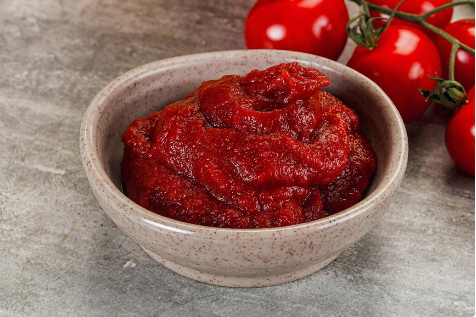
This ratio ensures that replacing tomato paste with tomato sauce does not turn a hearty stew into a watery soup.
Kitchen Hacks: What Can I Use Instead of Tomato Paste to Thicken Sauces?
Sometimes you need tomato paste specifically for its thickening power rather than just its flavor. If you are out of paste and need to thicken a sauce quickly, here are a few step-by-step hacks:
- Cornstarch Slurry: Mix 1 tablespoon of cornstarch with 1 tablespoon of cold water until smooth. Whisk this mixture slowly into your simmering sauce.
- Reduced Tomato Sauce: Pour standard tomato sauce into a small saucepan. Simmer it uncovered on medium-low heat for 10 to 15 minutes until it reduces by half.
- Flour Roux: Melt 1 tablespoon of butter in a pan, whisk in 1 tablespoon of flour, and cook for two minutes before blending it into your main dish.
Flavor Check: Can I Use Pasta Sauce Instead of Tomato Paste?
If you only have a jar of marinara or pre-seasoned pasta sauce on hand, you can absolutely use it. However, you must account for the added seasonings. Pasta sauces typically contain garlic, onions, basil, oregano, and significantly more sugar and salt than standard paste.
When you use pasta sauce as a substitute, reduce the amount of extra salt and herbs you add to the dish. Use the same 3:1 ratio mentioned earlier, but taste your food constantly as it simmers to ensure the flavor profile remains balanced.
The Real Truth Behind “Replacing Tomato Paste with Tomato Sauce” Reddit Debates
If you browse online cooking forums, you will quickly find passionate arguments about ingredient substitutions. The “replacing tomato paste with tomato sauce” Reddit debates usually center around the Maillard reaction.
Culinary purists argue that frying tomato paste in oil at the start of a recipe unlocks a deep, caramelized umami flavor that plain tomato sauce cannot replicate. While they are technically correct about the chemistry, home cooks routinely find that simmering tomato sauce a bit longer in the pan provides a surprisingly close flavor profile. For everyday weeknight dinners, replacing tomato paste with tomato sauce works beautifully, despite what internet critics might claim.
Top Pantry Picks: Finding the Perfect Tomato Paste Substitute for Every Dish
Beyond standard sauce, your pantry likely holds several other viable options. Here is a quick guide to choosing the right substitute:
- Canned Diced Tomatoes: Blend them until smooth, then cook them down in a skillet for 10 minutes to evaporate the water.
- Ketchup: Use this only in recipes that benefit from extra sweetness, like barbecue sauces or sloppy joes. Substitute at a 1:1 ratio.
- Red Pepper Paste: If you have this Mediterranean staple, it offers a similar texture and a deep, slightly smoky flavor.
Sweet & Tangy: Is Tomato Soup Substitute for Tomato Paste a Good Idea?
Condensed tomato soup is a common pantry staple, but using it as a tomato paste substitute requires caution. Canned tomato soup contains high amounts of added sugar, dairy, and thickeners.
If you are making a sweet chili, a meatloaf glaze, or a hearty casserole, using a tomato soup substitute for tomato paste can actually enhance the dish. Simply use 3 tablespoons of undiluted condensed soup for every 1 tablespoon of paste required. However, avoid this substitution in delicate, traditional Italian dishes where the sweetness will overpower the herbs.
Texture Control: How to Substitute Tomato Paste for Tomato Puree Effectively
Tomato puree sits right between paste and sauce in terms of thickness. If a recipe calls for paste and you only have puree, the math shifts slightly.
To substitute tomato paste for tomato puree, use 2 tablespoons of puree for every 1 tablespoon of paste. Because puree has less water than standard sauce, you only need to reduce your recipe’s additional liquids by 1 tablespoon. This makes puree one of the easiest and most reliable substitutes for maintaining proper texture.
Italian Night Fix: Choosing a Tomato Paste Substitute for Spaghetti Sauce
Making a rich, slow-simmered ragù or bolognese requires depth. When building an Italian dinner, the best tomato paste substitute for spaghetti sauce is crushed canned San Marzano tomatoes.
Step 1: Take 1/4 cup of crushed tomatoes for every tablespoon of paste needed.
Step 2: Place the crushed tomatoes in a wide skillet over medium heat.
Step 3: Add a pinch of salt and a drop of olive oil.
Step 4: Cook the tomatoes down for 10 minutes, stirring frequently, until they form a dark, thick paste.
This method replicates the intense, concentrated tomato flavor required for authentic Italian recipes.
Pro Chef Tips for Replacing Tomato Paste with Tomato Sauce Without Ruining Your Recipe
Professional kitchens constantly adapt when ingredients run short. Here are three expert tips for replacing tomato paste with tomato sauce successfully:
- Watch the Acidity: Tomato paste is naturally sweeter than plain sauce because the sugars concentrate during the reduction process. When replacing tomato paste with tomato sauce, add a tiny pinch of white sugar or a splash of balsamic vinegar to balance the acidity.
- Cook it Out: Pour your tomato sauce directly into the hot oil with your onions and garlic before adding any broth or water. Letting the sauce fry for three minutes helps caramelize the natural sugars.
- Mind the Salt: Canned sauces often contain heavy sodium. Always wait until the very end of your cooking process to add your final seasoning salt.


Wrapping Up Your Tomato Troubles
Running out of ingredients is a normal part of daily cooking. As long as you understand the basic ratios and moisture levels, replacing tomato paste with tomato sauce is a simple, stress-free process. By applying the 3:1 ratio and reducing your extra liquids, you can confidently save your dinner and keep your recipe on track.
Frequently Asked Questions
What happens if I use tomato sauce instead of tomato paste?
If you simply swap them at a 1:1 ratio, your dish will lack depth of flavor and will likely be too watery. To do it correctly, you must use three times the amount of sauce as paste, and actively reduce the other liquids in your recipe to compensate for the excess water.
Can I skip tomato paste in a recipe?
It depends on the dish. If the paste is just meant to add a hint of color to a large soup, you can often skip it. However, if you are making a chili, a stew, or a curry where the paste is a foundational flavor builder, skipping it will result in a bland dish. Always try replacing tomato paste with tomato sauce or puree before skipping it entirely.
Does ketchup work as a substitute for tomato paste?
Yes, but only in specific contexts. Ketchup contains a high volume of sugar and vinegar. It works wonderfully as a 1:1 substitute in dishes like meatloaf, baked beans, or barbecue sauces, but it will ruin the flavor profile of an authentic Italian pasta dish or a traditional Indian curry.


