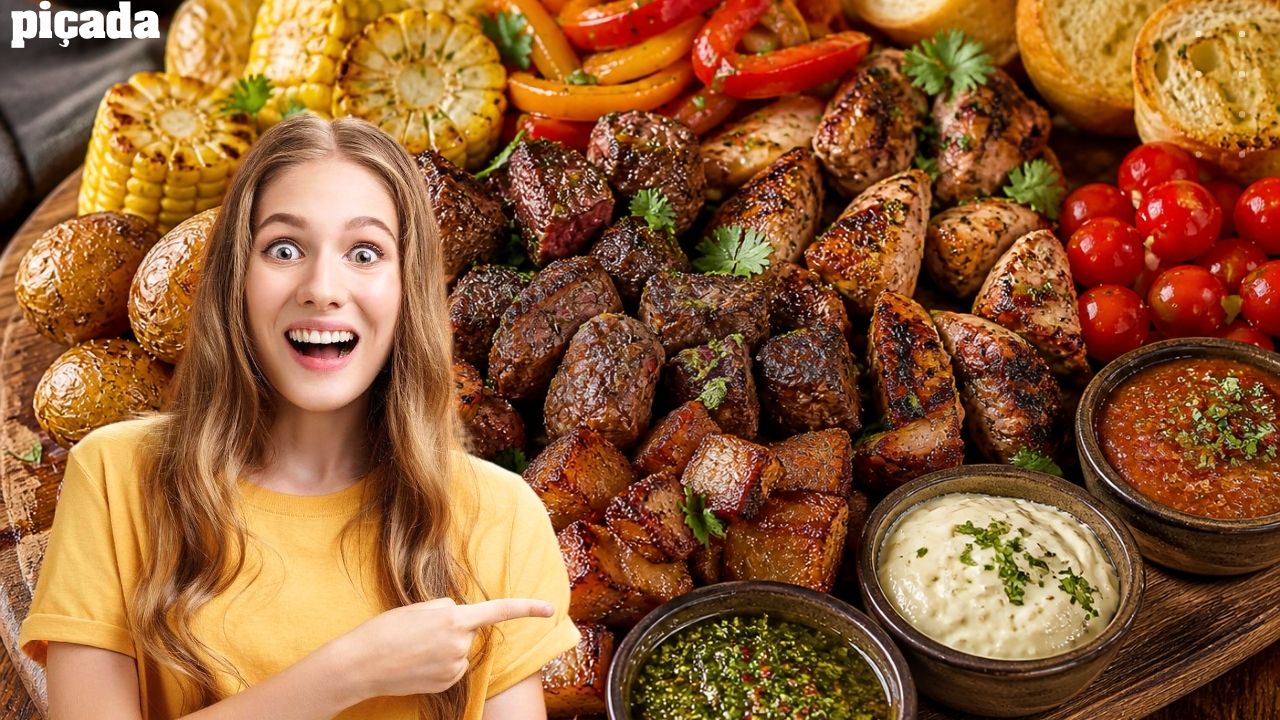
Piçada is more than just a meal—it’s a vibrant, shareable feast that brings people together over bold flavors and irresistible variety. This crowd-pleasing platter combines juicy grilled meats, hearty sides, and fresh garnishes into one visually stunning spread. Perfect for gatherings, it offers a relaxed, interactive dining experience where everyone can pick and enjoy their favorite bites.
Whether you’re hosting a party or planning a special family dinner, mastering piçada lets you create a customizable dish packed with rich flavor and texture. With simple ingredients and easy steps, you can recreate this delicious tradition right in your own kitchen.
Piçada Meaning: What Does Piçada Stand for in Food?
The word piçada traces its roots back to the verb “picar,” which means to chop, nibble, or pick at something. In the culinary world, it translates roughly to a selection of bite-sized foods meant for sharing.
Instead of sitting down to a formal plated dinner, guests use forks or toothpicks to grab morsels of food directly from a communal board. This interactive style of eating encourages conversation and a relaxed dining atmosphere.
What Is Piçada Food? A Complete Introduction
Piçada food is essentially a mixed appetizer or main-course platter. Depending on the region, it heavily features grilled or fried meats, accompanied by savory snacks like olives, cheeses, and crusty bread.
In South American countries like Colombia and Argentina, a similar dish involves a mountain of steak, chorizo, pork cracklings, and potatoes. The beauty of piçada food lies in its versatility. You do not need to follow strict rules. As long as the ingredients are easy to pick up and packed with flavor, they belong on the board.
Ingredients Needed for the Best Piçada Recipe
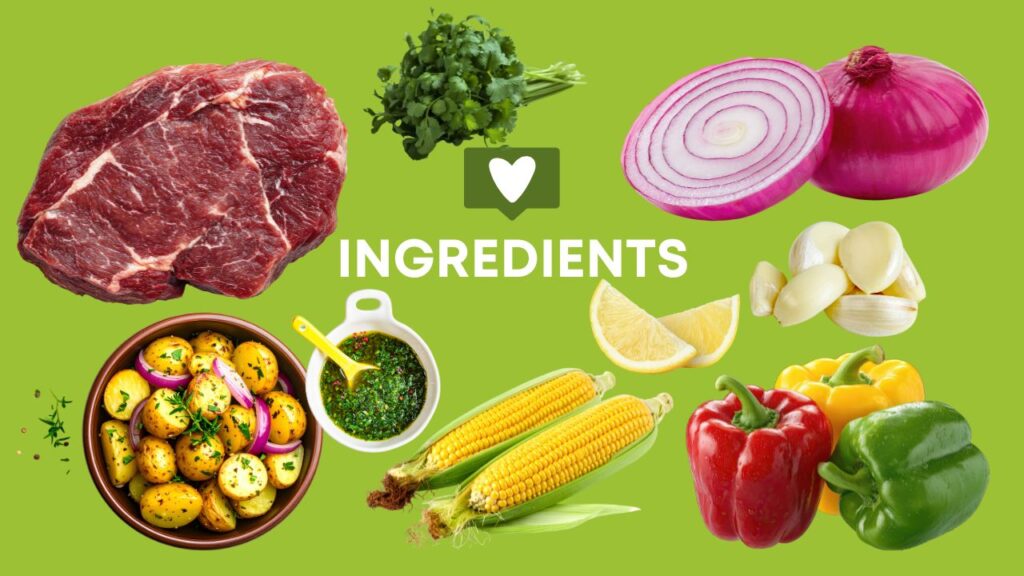
Creating the perfect platter requires a balance of proteins, starches, and fresh elements. Here is what you need for a classic spread:
- Proteins: 1 lb flank or skirt steak, 1 lb chicken breast, and 4 high-quality chorizo or smoked sausages.
- Starches: 1 lb baby potatoes, 2 ears of corn (cut into thick slices), and a loaf of crusty baguette.
- Vegetables: 1 large red bell pepper, 1 large onion, and cherry tomatoes.
- Marinade: Olive oil, minced garlic, smoked paprika, cumin, salt, and black pepper.
- Garnishes: Fresh cilantro, lemon wedges, and a side of chimichurri sauce.
How to Make Piçada at Home (Step-by-Step Recipe)
Follow these simple steps to build a show-stopping platter.
Step 1: Prepare the Marinade
In a large bowl, whisk together a generous splash of olive oil, minced garlic, smoked paprika, cumin, salt, and pepper. Cut the steak and chicken into bite-sized cubes. Toss the meat in the marinade and let it rest for at least 30 minutes.
Step 2: Cook the Starches
Boil the baby potatoes and corn slices in salted water until tender. Drain them well. For extra flavor, you can toss the cooked potatoes in a hot skillet with a little olive oil to crisp the skins.
Step 3: Grill the Meats
Heat a large cast-iron skillet or grill pan over medium-high heat. Cook the sausages until they are browned and cooked through, then slice them into rounds. Next, grill the chicken and steak bites until they develop a nice crust. Set the meat aside to rest.
Step 4: Sauté the Vegetables
In the same skillet, add the sliced onions and red bell peppers. Sauté them in the leftover meat juices until they are soft and slightly caramelized.
Step 5: Assemble the Platter
Grab your largest wooden cutting board or serving platter. Arrange the meats in the center. Surround the protein with the potatoes, corn, sautéed vegetables, and fresh cherry tomatoes. Tuck slices of crusty bread around the edges.
Picada Recipe vs Piçada: Are They the Same?
You might see this dish spelled as both “picada” and “piçada.” Generally, they refer to the same concept of mixed, bite-sized foods. The spelling differences usually stem from regional language variations.
“Picada” is the standard Spanish term for the massive meat platters served in Argentina and Colombia. The “ç” (cedilla) in “piçada” reflects Portuguese or Catalan influences. Regardless of the spelling, the core idea remains identical: a delicious, shared meal of chopped ingredients.
Picada Mexican Style: How It Differs from Piçada
A Mexican-style picada takes the concept of bite-sized sharing and adds distinct local flavors. Instead of focusing solely on a giant pile of grilled meats and potatoes, the Mexican variation often incorporates smaller, tortilla-based items.
You will frequently find thick corn masa bases pinched at the edges, topped with salsa, shredded meat, onions, and queso fresco. These resemble small sopes. The flavor profile leans heavily on fresh chilies, cilantro, and lime, offering a brighter, zestier experience compared to the heavier, meat-centric South American platters.
Piçada Paste: What It Is and How to Use It in Cooking
To make matters slightly confusing, there is another culinary component called a “picada” (or piçada paste) originating from Catalonia, Spain. This is not a meat platter.
Piçada paste is a flavorful thickening agent used in soups, stews, and sauces. Cooks make it by crushing toasted nuts (like almonds or hazelnuts), garlic, fried bread, and parsley together in a mortar and pestle. Stirring this paste into a dish during the last few minutes of cooking adds incredible depth, richness, and texture to the broth.
Best Meats and Sides to Include in Piçada
Variety is the secret to an unforgettable board. Mix different types of meats to keep every bite interesting.
- Top Meats: Flank steak, spicy pork chorizo, blood sausage (morcilla), crispy pork belly (chicharrón), and grilled chicken thighs.
- Top Sides: Fried yuca, plantains, crispy fingerling potatoes, grilled halloumi cheese, and marinated olives.
- Dips: Chimichurri, garlic aioli, or a spicy tomato salsa elevate the dry ingredients perfectly.
Serving Ideas: How to Present Piçada Like a Pro
Presentation elevates the dining experience. A large, rustic wooden board works best as your canvas.
Group similar items together rather than mixing everything haphazardly. Place small bowls of dips and sauces directly on the board to break up the visual space. Add pops of color by tucking fresh herbs, lemon wedges, and bright cherry tomatoes into the empty gaps. Provide plenty of toothpicks, small forks, and napkins for your guests.
Tips to Make Your Piçada More Delicious and Juicy
- Do not overcook the steak: Since the meat is cut into small pieces, it cooks incredibly fast. Keep an eye on the skillet to maintain a juicy interior.
- Let the meat rest: Always allow your cooked meats to sit for a few minutes before assembling the board. This keeps the juices inside the meat rather than running all over your bread.
- Toast the bread: Serve your baguette slices lightly toasted with a rub of raw garlic and a drizzle of olive oil.
Bring Your Friends Together with Piçada
Food tastes better when you share it. A well-crafted piçada requires a little bit of prep, but the reward is a visually stunning, highly satisfying meal that caters to everyone at the table. By mixing savory meats with fresh sides and bold sauces, you create an interactive dining experience right in your own home. Gather your favorite ingredients, invite some friends over, and enjoy the feast.
Frequently Asked Questions
Can I make a vegetarian piçada?
Absolutely. You can substitute the meats with grilled portobello mushrooms, plant-based sausages, roasted eggplant, and plenty of grilled cheeses and vegetables.
What is the best cut of beef for this recipe?
Flank steak and skirt steak are ideal. They cook quickly, absorb marinades beautifully, and are easy to chew when cut against the grain.
Can I prepare the ingredients ahead of time?
You can chop the vegetables and marinate the meats up to 24 hours in advance. However, you should cook the meats and assemble the board right before serving to ensure everything is hot and fresh.

