Food is a universal language, but few countries speak it quite like Spain. Here, eating is not a mere biological necessity to rush through before returning to work. It is a daily celebration, a deeply ingrained social ritual that brings friends, families, and even strangers together around the table.
If you want to understand the true heart of the Iberian Peninsula, you have to look at what they put on their plates. Every region tells a distinct story through its local ingredients, historical influences, and cooking techniques.
This guide will walk you through everything you need to know about navigating the local food landscape. You will learn about the history, the cultural etiquette, and the most iconic dishes that define spanish cuisine in spain. By the end of this journey, you will know exactly what to order, how to eat like a local, and even how to recreate some of the magic in your own kitchen.
Beyond the Plate: Understanding the Vibrant Spain Food Culture
To appreciate the food, you must first understand the lifestyle. Spaniards have a unique relationship with their meals. The social fabric of the country revolves around eating together. Breakfast is usually light and quick, but lunch (la comida) is the main event of the day, often stretching for hours.
The famous “siesta” culture historically allowed workers to rest during the hottest part of the day after a heavy lunch. While the modern workweek has changed this habit in big cities, the late-night dining culture remains untouched. Dinner is rarely served before 9:00 PM, and on weekends, restaurants stay packed well past midnight. Eating is loud, lively, and incredibly communal.
Spanish Cuisine in Spain Wikipedia: A Historical Deep Dive into Mediterranean Roots
The story of spanish cuisine in spain is a history book written in flavors. The foundation of the Mediterranean diet—wheat, olives, and vines—was established by the Romans. They introduced olive oil and wine, which still dominate Spanish tables today.
Later, the Moorish occupation left a lasting legacy on the southern regions. They brought rice, almonds, saffron, and a variety of spices that are now fundamental to the country’s culinary identity. The discovery of the Americas added the final crucial layers, introducing tomatoes, potatoes, and peppers to Europe. Without these historical shifts, staple dishes like gazpacho and patatas bravas simply would not exist.
The Ultimate Spanish Food List: From Coastal Seafood to Mountain Meats
Spanish cuisine is as diverse as its landscapes, offering a rich tapestry of flavors influenced by centuries of cultural exchange. Whether you’re visiting the sun-kissed coasts or the rugged mountains, there’s a dish to capture the essence of each region. Here’s a curated guide to the must-try delights of Spain:
- Paella
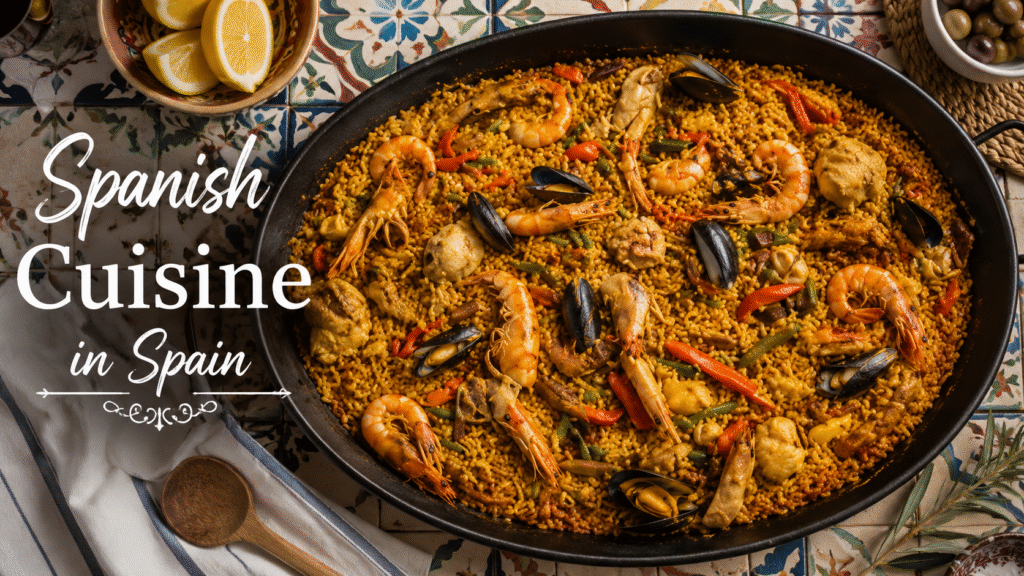
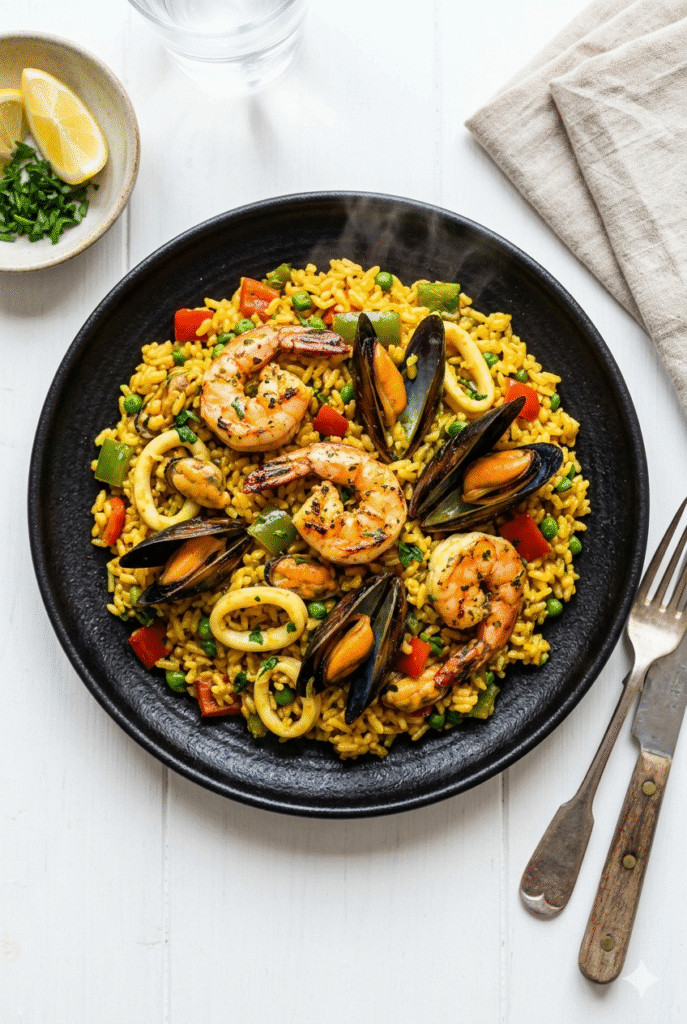
Originating from Valencia, this iconic rice dish is a symbol of Spanish culinary tradition. While the classic version features rabbit, chicken, and beans, seafood paella, packed with fresh mussels, shrimp, and squid, is also a popular variation. - Pulpo a la Gallega
A specialty of Galicia, this dish consists of tender octopus slices seasoned with olive oil, coarse salt, and sweet paprika, often served on wooden plates and paired with rustic potatoes. - Jamón Ibérico
A prized delicacy, this cured ham is produced from Iberian pigs and reflects meticulous craftsmanship. Its rich, nutty flavor comes from the pigs’ acorn-based diet. - Tortilla Española
This simple yet satisfying Spanish omelette is made with potatoes, eggs, and onions. It’s a versatile dish that can be enjoyed hot or cold, as part of breakfast, a snack, or tapas. - Fabada Asturiana
Hailing from Asturias, this hearty bean stew features white beans, chorizo, morcilla, and pancetta—a comforting dish perfect for colder mountain climates. - Gazpacho and Salmorejo
These refreshing cold soups, made from tomatoes, olive oil, and bread, are treasures of Andalusian cuisine. Salmorejo is creamier, often garnished with Jamón Ibérico and hard-boiled eggs. - Pescado Frito
Found along the southern coast, this simple preparation of fried fresh fish, like anchovies or squid, is a nod to Spain’s long-standing maritime history.
From rustic stews to vibrant tapas, Spanish food celebrates its abundant resources and regional traditions, offering something for every palate. Whether you’re seeking coastal seafood or mountainside comfort food, Spain’s culinary heritage guarantees a delicious experience.
Master the Classics with Authentic Spanish Cuisine
Steps for Creating Iconic Spanish Dishes
Here are some simple steps to help you master a few classic Spanish recipes at home:
- Prepare a Traditional Paella
- Heat olive oil in a wide, shallow pan.
- Sauté onions, garlic, and bell peppers until softened.
- Add your choice of protein (chicken, rabbit, seafood, or a mix).
- Stir in bomba rice and coat it evenly with the seasonings.
- Pour in saffron-infused broth and simmer.
- Add vegetables like peas and finish by letting the rice absorb the liquid without stirring.
- Craft a Perfect Tortilla Española
- Thinly slice potatoes and onions.
- Fry them gently in olive oil until tender.
- Whisk eggs in a bowl, mix in the potatoes and onions, and season with salt and pepper.
- Pour the mixture into a hot, oiled pan and cook until the bottom sets. Flip to cook the other side until golden.
- Whip Up Gazpacho
- Blend ripe tomatoes, cucumber, bell peppers, garlic, and crusty bread with olive oil and a splash of vinegar.
- Chill the soup in the refrigerator for several hours.
- Serve cold with a drizzle of olive oil and garnishes like diced vegetables or herbs.
- Perfect Pisto Manchego
- Dice zucchini, bell peppers, onions, and eggplant.
- Sauté the vegetables in olive oil until softened.
- Stir in crushed tomatoes and simmer until thickened.
- Serve as a side dish, topping for bread, or with a fried egg on top.
- Experience Churros with Chocolate
- Prepare a dough by heating water, butter, and a pinch of salt, then mixing in flour until it forms a ball.
- Pipe the dough into hot oil, forming long strips, and fry until golden.
- Dust the churros with sugar and serve with thick, rich chocolate sauce for dipping.
These steps capture the essence of Spanish cooking, bringing bold flavors and rich traditions straight to your kitchen.
Decoding the Spanish Cuisine in Spain Menu: A Guide for Travelers
Walking into a local restaurant can be intimidating if you do not know how the menu works. The way food is served is just as important as the food itself.
Tapas are small, bite-sized portions meant to be eaten with a drink. They are perfect for snacking and socializing. If you are hungrier, look for “raciones,” which are larger portions of tapas designed to be shared among the table. For lunch, always seek out the “Menu del Dia.” This is a daily set menu offering a starter, a main course, a drink, and dessert or coffee at a very affordable price.
What is the Most Popular Food in Spain? The Paella Phenomenon
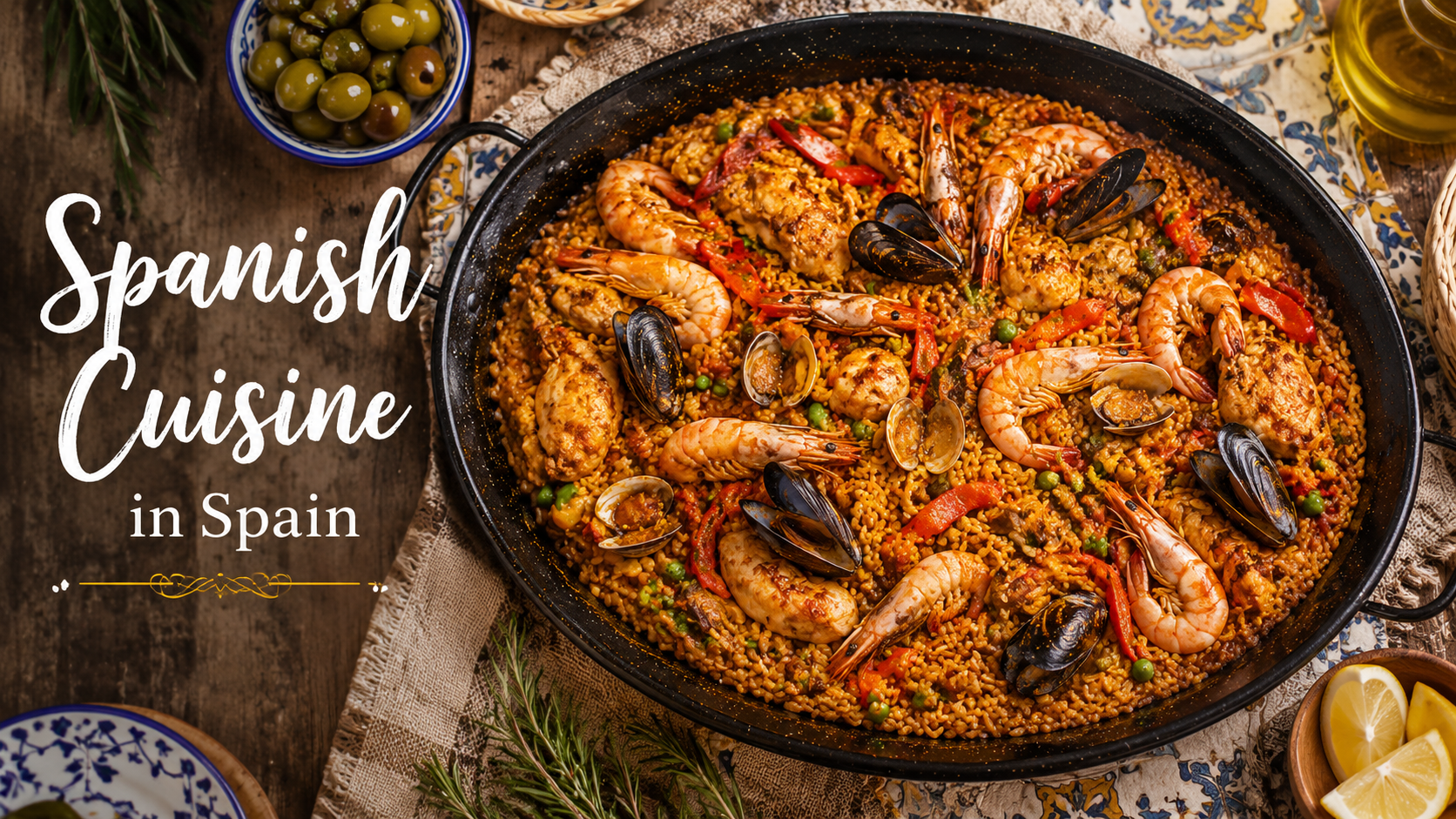
Ask anyone to name a Spanish dish, and they will likely say Paella. Originating in Valencia, this iconic rice dish is far more than just a meal; it is a point of national pride.
Traditional Valencian paella does not actually contain seafood. It is made with short-grain rice, chicken, rabbit, flat green beans, and a rich broth colored with saffron. The most prized part of the dish is the “socarrat,” the crispy, caramelized layer of rice that forms at the bottom of the pan. Making paella is a weekend ritual for many families, cooked outdoors over an open wood fire.
Famous Spanish Cuisine in Spain: Iconic Dishes You Can’t Miss
Beyond paella, there are several famous dishes you absolutely must try. Jamón Ibérico is arguably the country’s greatest culinary treasure. This cured ham, made from free-range black pigs fed on acorns, melts in your mouth and offers a complex, nutty flavor.
Patatas Bravas—fried potato cubes topped with a spicy tomato sauce—are a staple on every tapas menu. For a sweet treat, nothing beats Churros con Chocolate. These deep-fried dough pastries are dusted with sugar and dipped into cups of incredibly thick, hot chocolate.
The Best Spanish Cuisine in Spain: Hidden Gems and Regional Specialties
While the famous dishes get all the attention, the best spanish cuisine in spain is often found in the lesser-known regional specialties.
In the town of Padrón, you will find Pimientos de Padrón. These small green peppers are blistered in olive oil and sprinkled with coarse sea salt. The catch? Most are mild, but about one in ten is surprisingly spicy. In Segovia, the star of the show is Cochinillo (roast suckling pig). The meat is cooked so slowly in wood-fired ovens that it becomes tender enough to cut with the edge of a plate.
Farm to Table: The Fresh Ingredients of Spanish Cuisine in Spain
Spanish cuisine is deeply rooted in the philosophy of using fresh, locally sourced ingredients. Across the country’s diverse regions, farms, orchards, and coastal waters provide a bounty of seasonal produce, meats, and seafood that form the foundation of its beloved dishes. Olive oil, a staple in Spanish cooking, is often pressed from olives harvested just miles away from the kitchen.
Tomatoes, peppers, and onions are cultivated in sun-kissed fields, while seaside communities deliver the freshest catches of fish and shellfish to market. By combining these ingredients with traditional recipes passed down through generations, Spain has perfected the art of farm-to-table dining, celebrating both its agricultural heritage and culinary creativity.
Future of Flavors: Modern Evolution of Spanish Cuisine in Spain
While tradition is highly respected, the country is also at the forefront of global culinary innovation. Michelin-star chefs in places like San Sebastián and Barcelona are redefining what is possible in the kitchen.
They use modern, avant-garde techniques like spherification and foam to deconstruct and reimagine classic recipes. This modern evolution of spanish cuisine in spain proves that while the country deeply respects its culinary heritage, it is never afraid to push boundaries and look toward the future.
Plan Your Culinary Adventure Today
Experiencing this incredible food culture is a journey that will change the way you think about eating. Whether you are sampling tapas in a crowded bar or slow-roasting pork at home, the focus should always remain on sharing good food with good company. Start exploring these regional recipes in your own kitchen today, and begin planning your itinerary to taste them directly from the source.
Frequently Asked Questions
What makes this cuisine unique?
This cuisine is defined by its use of fresh, local ingredients combined with bold flavors and traditional cooking techniques passed down through generations. The emphasis on communal dining and regional variety makes every meal a memorable experience.
How can I recreate these dishes at home?
You can start by sourcing high-quality ingredients and following authentic recipes. Many traditional dishes are surprisingly simple to prepare, but their flavor lies in the freshness of the produce and the use of regional spices.
What are must-try dishes when visiting?
Some must-try dishes include flavorful tapas, hearty stews, roasted meats, and a variety of seafood specialties. Be sure to ask locals for their recommendations, as every region has its standout dishes!
Is this cuisine suitable for vegetarians?
Yes, there are many vegetarian options, including vegetable-based stews, grilled vegetables, and iconic dishes like patatas bravas or gazpacho. However, it’s always a good idea to specify dietary preferences when dining out.
How can I pair drinks with these dishes?
Pairing drinks is an essential part of this food culture. Opt for regional wines, local beers, or handcrafted cocktails to complement the flavors of your meal. Don’t forget to try the traditional sangria or a refreshing glass of sparkling water!


