
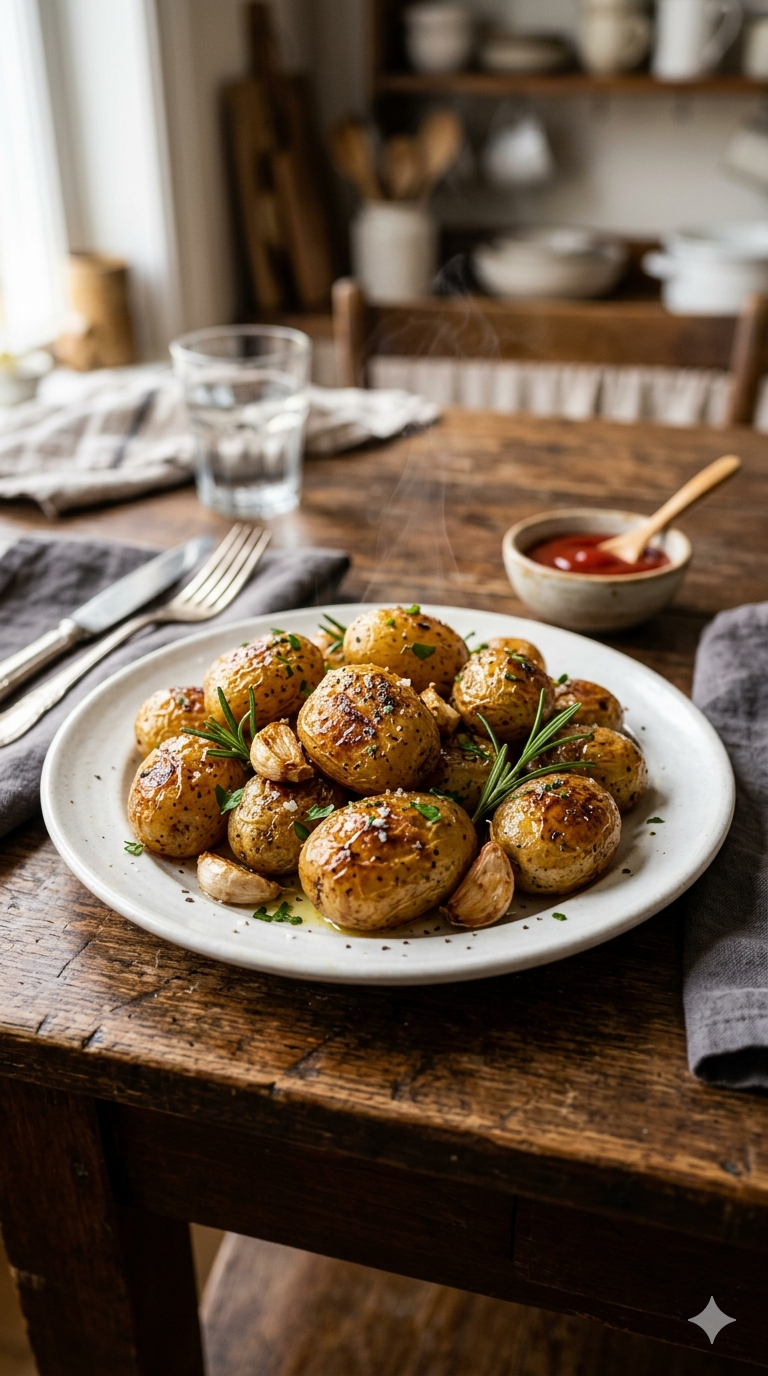
Sous vide potatoes are the ultimate way to achieve perfectly tender, flavorful, and restaurant-quality potatoes at home. Unlike traditional boiling or roasting methods, sous vide cooking uses precise temperature control to create potatoes that are evenly cooked, creamy on the inside, and ready for a crispy golden finish.
Whether you want buttery mashed potatoes, crispy roasted bites, or herb-infused side dishes, mastering this technique guarantees consistent results every time. In this complete guide, you will learn the science behind sous vide potatoes, the ideal cooking temperatures, expert preparation tips, and the best methods to create delicious potatoes packed with flavor and texture.
Step-by-Step: Mastering Sous Vide Potatoes Whole or Sliced
Getting started with this technique requires minimal prep work. Here is the foundational method for foolproof results.
- Prep your water bath: Attach your precision cooker to a large pot or container and set the temperature.
- Prepare the potatoes: Wash and dry your potatoes. You can leave small varieties (like fingerlings or baby potatoes) whole. For larger russets or Yukon golds, chop them into uniform one-inch cubes or thick slices to ensure they cook evenly.
- Bag them up: Place the potatoes in a vacuum-seal bag or a heavy-duty zipper-lock bag. Add your chosen fat (butter, duck fat, or olive oil) and aromatics (salt, pepper, garlic, or rosemary).
- Seal and submerge: If using a vacuum sealer, seal the bag completely. If using a zipper-lock bag, use the water displacement method: slowly lower the open bag into the water bath to push the air out, then seal the top just before it submerges.
- Cook: Let the potatoes cook for 1 hour. If they are particularly large or dense, they may need up to 90 minutes.
Sous Vide Potatoes Temperature: Why 190°F (88°C) is the Sweet Spot
While pectin breaks down at 183°F, setting your water bath a little higher provides a buffer. Cooking your sous vide potatoes at 190°F (88°C) is widely considered the sweet spot. At this temperature, the cell walls break down efficiently without turning the potato into mush. The result is a fork-tender vegetable that still holds its shape perfectly. Cooking them for exactly one hour at 190°F yields a texture that is soft, creamy, and ready to eat or finish in a hot pan.
Addressing the Myth: Can You Cook Sous Vide Potatoes at 130?
A common question among beginners is whether they can toss potatoes into the water bath alongside a steak cooking at 130°F (54°C). The short answer is no. As established, the pectin in plant cell walls requires temperatures well over 180°F to break down. If you cook potatoes at 130°F, you will end up with warm, raw potatoes. You must cook your vegetables and meats at their respective required temperatures, which usually means cooking the potatoes first, then dropping the water bath temperature to cook your meat while the potatoes stay warm.

Sous Vide Potatoes Serious Eats Style: Expert Tips for Success
Achieving perfectly cooked sous vide potatoes every time requires attention to detail and a few expert techniques. Here’s a step-by-step guide to ensure success:
- Choose the Right Potatoes
For the best results, select waxy potatoes such as Yukon Gold or red potatoes. These varieties hold their shape well during and after cooking, delivering a creamy interior and a satisfying texture. - Prepare the Potatoes
Wash the potatoes thoroughly to remove any dirt or debris. If desired, peel them, though leaving the skin on can add texture and flavor. Cut larger potatoes into even-sized pieces to ensure uniform cooking. - Set the Appropriate Temperature and Time
For soft but perfectly structured potatoes, set your sous vide machine to 190°F (88°C) and cook for 1 to 1.5 hours. If you prefer a softer, almost mashed texture, increase the cooking time to up to 2 hours. - Season Before Cooking
Add salt, herbs, and spices along with the potatoes into a vacuum-sealed bag or zipper-lock bag using the water displacement method. Think of this step as infusing the potatoes with flavor that will penetrate throughout the cooking process. - Seal the Bag Properly
Vacuum sealing is crucial to prevent water from entering the bag. If using a zipper-lock bag, ensure most of the air is out and the seal is watertight to prevent uneven cooking. - Preheat the Water Bath
Allow your sous vide water bath to preheat before submerging the potatoes. Starting with hot water ensures consistent cooking from the moment you put the potatoes in. - Don’t Skip the Searing Finish
After the sous vide process is complete, pat the potatoes completely dry to remove moisture. Moisture will prevent the potatoes from achieving a desirable golden crust. Use a hot skillet with oil or clarified butter, and sear the potatoes on each side until they are deeply golden-browned. - Experiment with Finishing Flavors
After searing, sprinkle the potatoes with flaky sea salt, fresh herbs such as rosemary or parsley, or even grated Parmesan for an extra burst of flavor. A drizzle of olive oil or a dollop of sour cream can elevate the dish further.
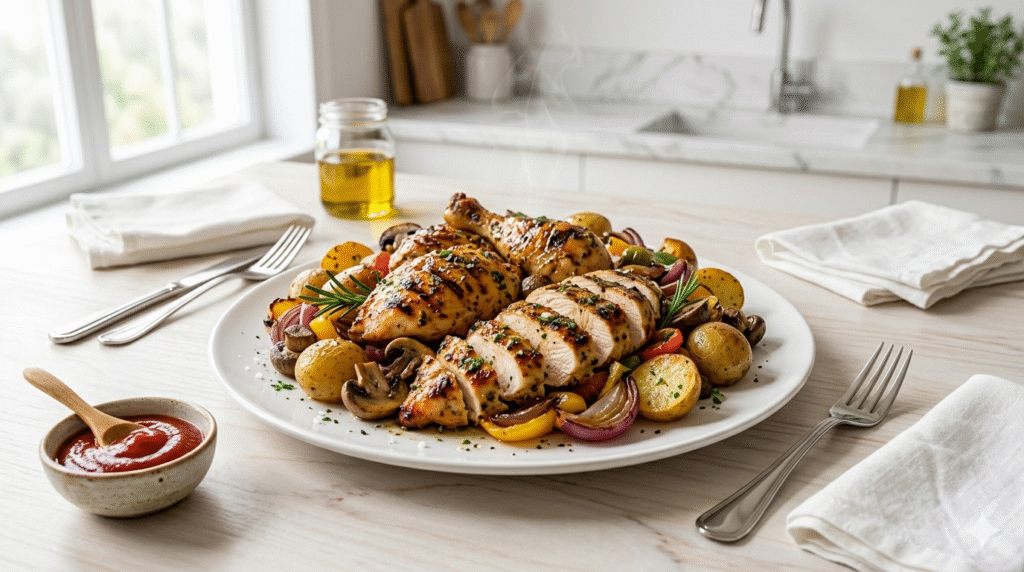
With these expert tips in hand, you’ll enjoy restaurant-quality sous vide potatoes consistently at home!
What the Community Says: Top Sous Vide Potatoes Reddit Hacks
The online cooking community has developed numerous brilliant hacks to streamline the process. A quick scroll through Reddit’s culinary boards reveals some highly effective tips:
- Weighing down the bags: Potatoes tend to float because they release natural gases as they cook. Redditors highly recommend clipping a heavy butter knife to the bottom of the bag or using specialized sous vide weights to keep them fully submerged.
- The cooler method: If you are cooking a massive batch for a holiday gathering, users suggest using an insulated hard cooler as a water bath. It retains heat incredibly well and handles a larger volume of water, keeping the 190°F temperature stable.
- Saving the cooking liquid: Never throw away the buttery, starchy liquid left in the bag. The community recommends using it as a base for gravy or drizzling it over roasted vegetables.
Flavor Infusions: Best Herbs and Fats for Vacuum-Sealed Potatoes
The vacuum-sealed environment forces flavors into the potatoes in a way that roasting or boiling cannot replicate. Choosing the right aromatics can elevate a simple side dish into the star of the meal.
Duck fat and goose fat provide a rich, savory depth that pairs wonderfully with root vegetables. If you prefer a lighter profile, high-quality extra virgin olive oil works beautifully. For herbs, hearty sprigs of rosemary, thyme, and sage hold up well to the high heat of the water bath. Delicate herbs like parsley or chives will turn black and bitter during the cooking process; save those to garnish the potatoes right before serving.
Common Mistakes to Avoid When Precision Cooking Potatoes
Even with a foolproof method, a few missteps can derail your dish. First, overlapping the potatoes in the bag prevents even cooking. Arrange them in a single layer so the water can circulate freely around each piece.
Second, failing to dry the potatoes before searing will result in a soggy exterior. Always pat them dry. Finally, do not skimp on the seasoning. Potatoes absorb a massive amount of salt. Season them generously in the bag, and give them a final sprinkle of flaky sea salt after they finish searing.
Make-Ahead Magic: Storing and Reheating Your Potatoes
One of the greatest advantages of cooking sous vide potatoes is the ability to meal prep. You can cook a large batch, leave them sealed in their bags, and rapidly chill them in an ice-water bath. Store the sealed bags in the refrigerator for up to a week.
When you are ready to eat, you can reheat the bags in a 130°F water bath for 30 minutes, or simply take the cold potatoes out of the bag, pat them dry, and fry them straight from the fridge. Chilling the potatoes actually retrogrades the starches, resulting in an even crispier exterior when you finally sear them.
Nutrition Profile (Typical Per Serving)
Potatoes are a fantastic source of complex carbohydrates and essential nutrients. A typical serving of basic sous vide potatoes (about 150 grams) prepared with a moderate amount of olive oil contains roughly:
- Calories: 160 kcal
- Carbohydrates: 26g
- Protein: 3g
- Fat: 5g
- Fiber: 2.5g
- Potassium: 600mg (17% of Daily Value)
- Vitamin C: 25% of Daily Value
Keeping the potatoes in a vacuum-sealed bag ensures that water-soluble nutrients like Vitamin C and potassium are not lost in the boiling water, making this cooking method highly beneficial from a nutritional standpoint.
Frequently Asked Questions
How long does it take to cook sous vide potatoes?
Typically, it takes exactly one hour at 190°F (88°C) for standard potato cubes or small whole potatoes. If you are cooking very large chunks or a particularly dense potato variety, extend the cooking time to 90 minutes.
Can I cook different vegetables in the same bag as the potatoes?
Yes, as long as they require the same temperature. Carrots and parsnips also require temperatures around 185°F to 190°F to break down their pectin, making them excellent companions for your potatoes.
What is the best type of potato for this cooking method?
It depends entirely on your desired outcome. Yukon gold potatoes are ideal for a creamy, buttery finish. Russet potatoes are excellent if you want a super fluffy interior and a crispy fried exterior. Waxy potatoes like red potatoes or fingerlings hold their shape perfectly, making them the best choice for potato salads.
Do I need a vacuum sealer to make this recipe?
No, a vacuum sealer is helpful but not mandatory. You can use a heavy-duty zipper-lock freezer bag. Simply place your ingredients inside, leave the top slightly open, and slowly submerge the bag into the water bath. The pressure of the water will push the air out. Seal the bag completely just before the top drops below the water line.


