
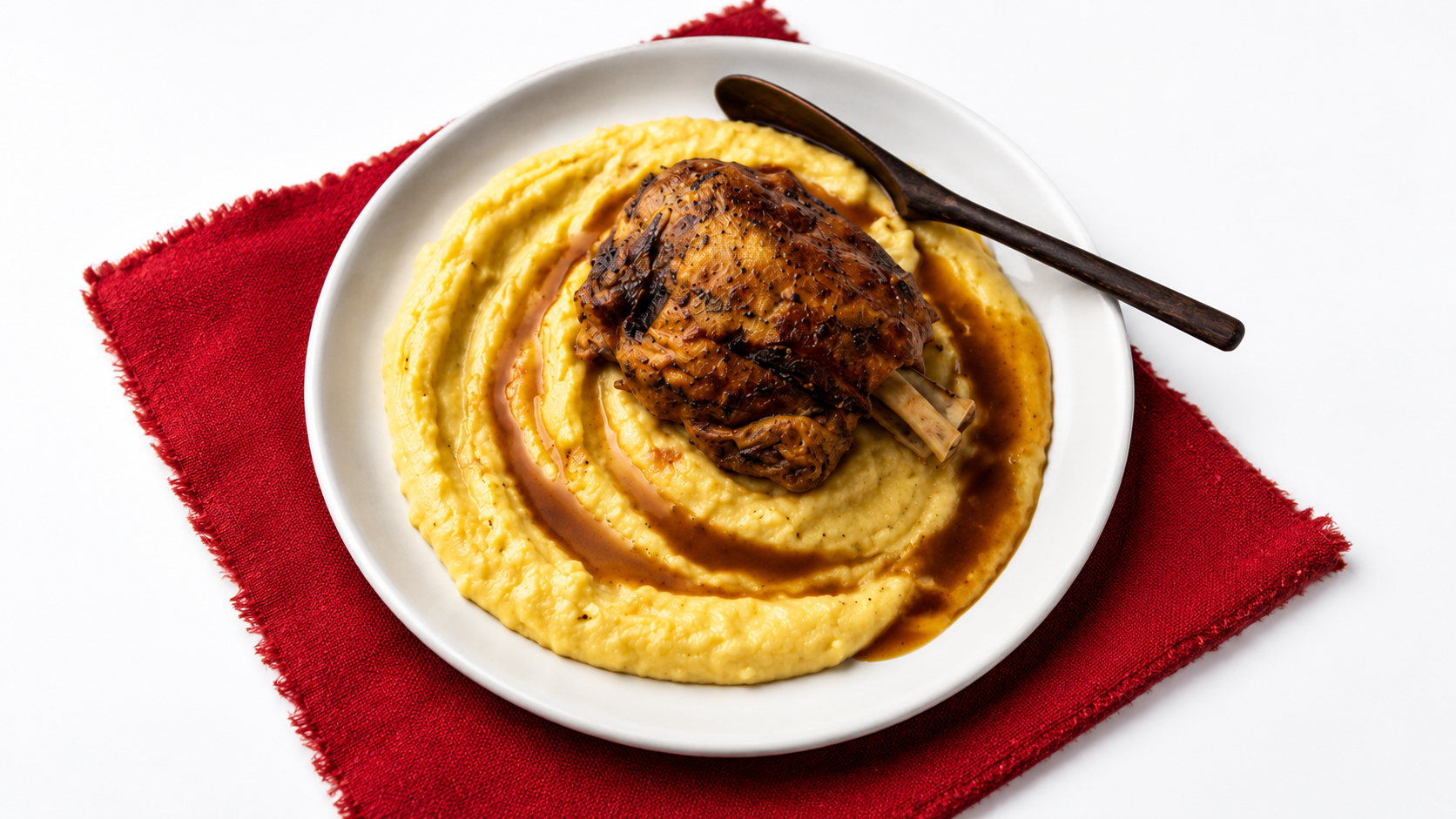
Pork Shank Dishes—often referred to as the “hind shin”—is a cut of meat that rewards the patient cook. Unlike a quick-searing ribeye or a stir-fry tenderloin, the pork shank is a tough, hardworking muscle filled with connective tissue. However, this is precisely where its magic lies. When subjected to the low-and-slow alchemy of braising or roasting, that toughness transforms into a gelatinous, rich, and buttery texture that is unparalleled in the world of barbecue and fine dining.
What is Pork Shank Dishes?
The pork shank comes from the lower leg of the pig. It is situated just above the ankle and below the shoulder or ham. Because pigs use their legs constantly, this muscle is incredibly dense and lean, but it is threaded with thick bands of collagen.
In the culinary world, collagen is your best friend. During a long cook, collagen breaks down into gelatin. This not only makes the meat “fall-off-the-bone” tender but also creates a natural thickness in any sauce or gravy you cook it in. Understanding this anatomy is the first step to mastering the dish; you aren’t just cooking meat; you are managing a chemical transformation of tissues.
Best Pork Shank Dishes for Every Occasion
The beauty of the shank is its global appeal. Every culture has a “best” version:
- The German Schweinshaxe: A Bavarian classic where the shank is roasted until the skin becomes a salty, glass-like crackling, usually served with sauerkraut.
- The Italian Osso Buco: Often made with veal, but pork shanks are a popular, cost-effective alternative. It is braised with white wine, tomatoes, and topped with gremolata.
- The Chinese Red-Braised Shank: Simmered in soy sauce, star anise, cinnamon, and sugar, resulting in a dark, glossy finish that melts in the mouth.
- The Polish Golonka: Boiled then roasted, often served with horseradish or mustard.
Why You Should Try Simple Pork Shank Dishes at Home
Many home cooks feel intimidated by shanks, assuming they require restaurant-grade equipment. The truth is that simple pork shank dishes are some of the most “forgiving” recipes in existence. Unlike a steak, which is ruined if overcooked by two minutes, a pork shank actually benefits from an extra 30 minutes in the pot. It is the perfect dish for a host who wants to spend time with their guests rather than hovering over a hot stove.
Pork Shank Where to Buy: Tips for Picking the Best Quality
When searching for pork shank where to buy, your first stop should be a local butcher. Supermarkets often carry “ham hocks,” which are smaller and often smoked. For these recipes, you want “fresh” or “green” pork shanks.
- Size Matters: Look for shanks that weigh between 1.5 to 2 lbs. This size ensures a good ratio of meat to bone.
- The Skin Factor: If you want a crispy exterior, ensure the skin is still attached. If you prefer a traditional braise with gravy, skinless shanks are easier to handle.
- Color: The meat should be a healthy pinkish-red, and the fat should be pure white, not yellow.
Essential Ingredients for an Easy Pork Shank Dishes
An easy pork shank recipe relies on layers of flavor. You don’t need a pantry full of spices, but you do need the “Holy Trinity” of aromatics:
- Mirepoix: A mix of onions, carrots, and celery. These melt down to provide the base of your sauce.
- The Braising Liquid: This can be beef or chicken stock, dry cider, beer (stouts work wonderfully), or a dry red/white wine.
- The Aromatics: Fresh garlic cloves, bay leaves, peppercorns, and woody herbs like rosemary or thyme. Avoid delicate herbs like parsley until the very end.
Step-by-Step: How to Cook Pork Shank Dishes in Oven to Perfection
This is the core technique. Follow these steps for the ultimate roast:
Step A: The Sear Pat the shanks bone-dry with paper towels. Season heavily with salt. In a heavy-bottomed Dutch oven, heat oil until shimmering. Sear the shanks on all sides until deep brown. Note: This brown crust (the Maillard reaction) is where 50% of your flavor comes from.
Step B: The Saute Remove the meat. In the same fat, toss in your chopped vegetables. Cook until softened and slightly caramelized. Deglaze the pan by pouring in your liquid and scraping the bottom with a wooden spoon to release the “fond” (the brown bits).
Step C: The Low and Slow Place the shanks back in. The liquid should come about halfway up the meat. Cover with a tight lid. Place in a 150°C (300°F) oven.
- Timing: Check at 2.5 hours. If the meat pulls away easily with a fork, it’s done. If it resists, give it another 30 minutes.
Secrets to Making Easy Pork Shank Dishes for Busy Weeknights
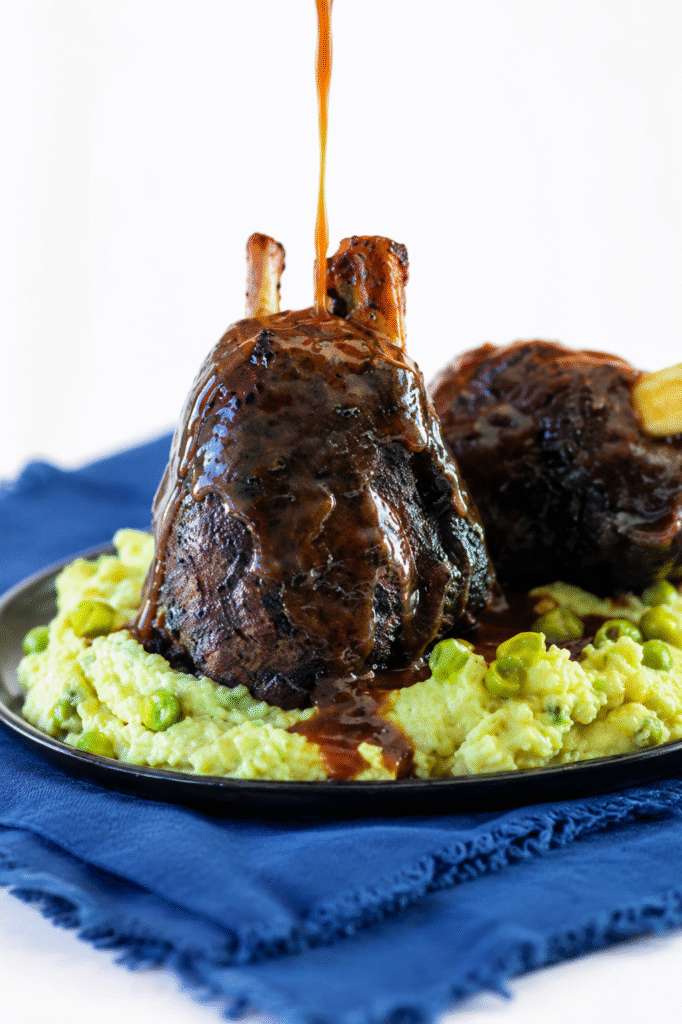
If you are short on time, the Pressure Cooker (Instant Pot) is your best friend for easy pork shank dishes.
- Follow the sear and saute steps directly in the pot.
- Set to “High Pressure” for 50 minutes with a natural release of 15 minutes.
- The result is nearly identical to the oven method but saves you two hours of waiting.
Top Side Dishes to Serve with Your Pork Roast
A pork shank is a “heavy” protein, so you need balance.
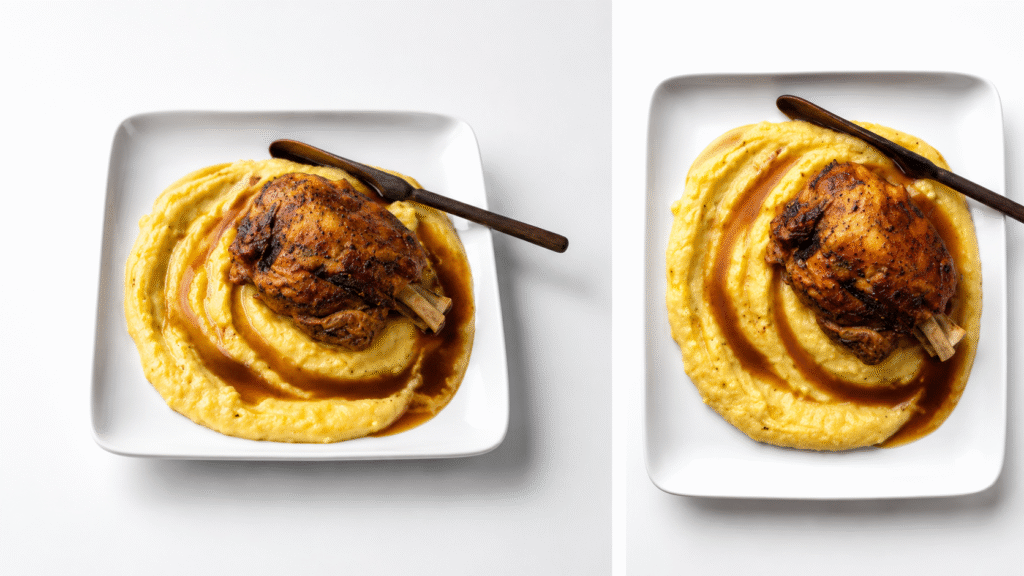
- Starchy: Polenta, garlic mashed potatoes, or even a crusty sourdough bread to mop up the juices.
- Acidic: Pickled red onions, a vinegar-based slaw, or roasted Brussels sprouts with a balsamic glaze. The acidity cuts through the richness of the pork fat, cleansing your palate between bites.
Pro-Tips for Achieving the Perfect Crispy Crackling
For those attempting the German-style roast, the secret is dryness.
- Score the skin in a diamond pattern with a sharp knife (don’t cut into the meat).
- Leave the shank uncovered in the fridge overnight to dry the skin out.
- During the final 15-20 minutes of cooking, crank the oven to 220°C (425°F). The moisture in the skin will steam out, causing the skin to puff up and become “crackling.”
Storing and Reheating: Making the Most of Your Leftovers
Pork shank leftovers are a gift. The gelatin sets in the fridge, turning the liquid into a thick jelly that preserves the meat’s moisture.
- To Reheat: Never microwave on high. Place the meat and sauce in a small pan, add a splash of water or broth, cover, and warm on low heat.
- Creative Leftovers: Shred the meat and use it as a filling for tacos, a rich topping for ramen, or mixed into a ragu for pasta.
Final Thoughts
Mastering the pork shank is a milestone for any home cook. It teaches you the importance of patience, the value of inexpensive cuts, and the beauty of slow-cooking. Whether you choose the crispy roasted path or the deep, braised route, the result is always a soul-warming meal that tastes like hours of hard work—even if the oven did most of it for you.
Start with a simple pork shank dish this weekend, and you’ll likely find it becoming a permanent staple in your culinary repertoire.

