
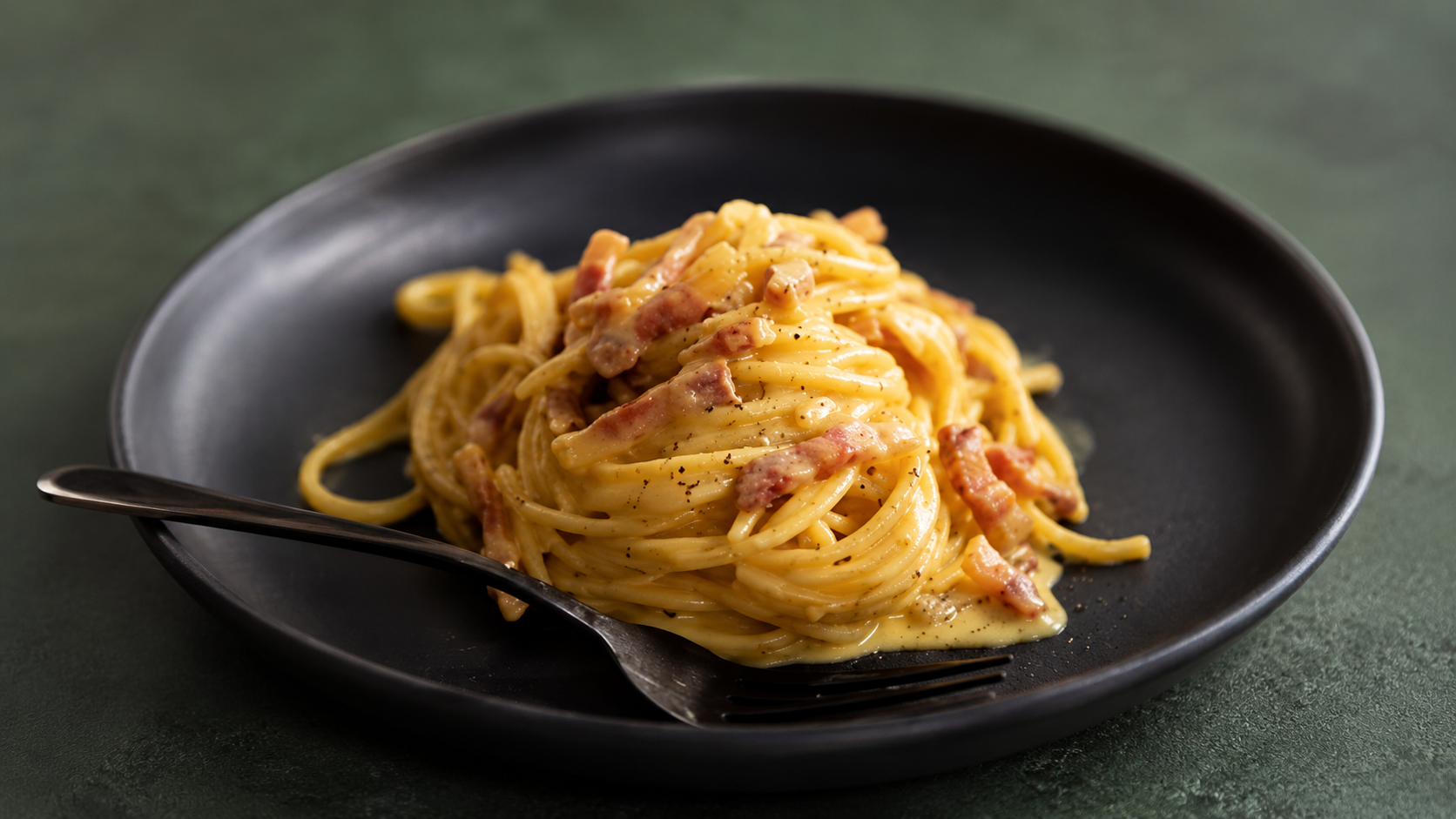
Few dishes capture the heart and soul of Italian cuisine quite like Carbonara. With its rich, silky texture and savory crunch, this Roman classic has won over food lovers across the globe. Yet, despite its short ingredient list, achieving that flawless restaurant-quality plate at home often feels like a culinary mystery.
Many home cooks struggle with scrambled eggs or clumpy sauces, while others mistakenly pour heavy cream into the pan. Understanding the techniques behind this iconic pasta dish will completely transform your dinner routine. You will discover how a few humble ingredients—eggs, cheese, pork, and pepper—can create absolute magic.
This comprehensive guide covers everything from authentic cooking methods to choosing the best pasta shape. We will even explore a few popular twists on the classic recipe and answer your most pressing kitchen storage questions along the way. Get your forks ready.
The Secret to a Perfect Creamy Carbonara Recipe
Creating the perfect creamy carbonara is simpler than it sounds, but it requires attention to detail and quality ingredients. Follow this step-by-step guide to achieve that velvety texture and rich flavor every time.
Ingredients:
- Spaghetti (400g): The traditional pasta choice for carbonara.
- Pancetta or Guanciale (150g): For authentic flavor, guanciale (cured pork jowl) is preferred, but pancetta works as a substitute.
- Egg Yolks (4): The secret to the creamy sauce.
- Grated Pecorino Romano (50g): A sharp and salty cheese that’s essential for authenticity.
- Black Pepper (freshly ground): Adds a spicy, aromatic kick to complement the rich ingredients.
- Salt (to taste): For the pasta water and seasoning.
Instructions:
- Prepare the Pasta:
Bring a large pot of salted water to a boil and cook the spaghetti until al dente, as per the package instructions. Reserve about a cup of pasta water before draining. - Cook the Pork:
While the pasta cooks, heat a large skillet over medium heat. Add the diced pancetta or guanciale and sauté until golden and crispy. Turn off the heat and set it aside, leaving the rendered fat in the pan for flavor. - Mix the Sauce:
In a bowl, whisk together the egg yolks, grated Pecorino Romano, and a generous amount of freshly ground black pepper. Add a splash of hot pasta water to temper the mixture, stirring constantly to prevent the eggs from curdling. - Combine pasta and pork:
Transfer the cooked spaghetti to the skillet with the pork and toss to coat the pasta in the rendered fat. - Create the Sauce:
Remove the skillet from direct heat. Pour the egg and cheese mixture over the pasta, tossing quickly to create a creamy consistency. If the sauce feels too thick, add reserved pasta water a tablespoon at a time until it reaches the desired texture. - Season and Serve:
Taste the carbonara and adjust with more Pecorino Romano, black pepper, or salt as needed. Serve immediately, garnished with extra cheese and a sprinkle of pepper for presentation.
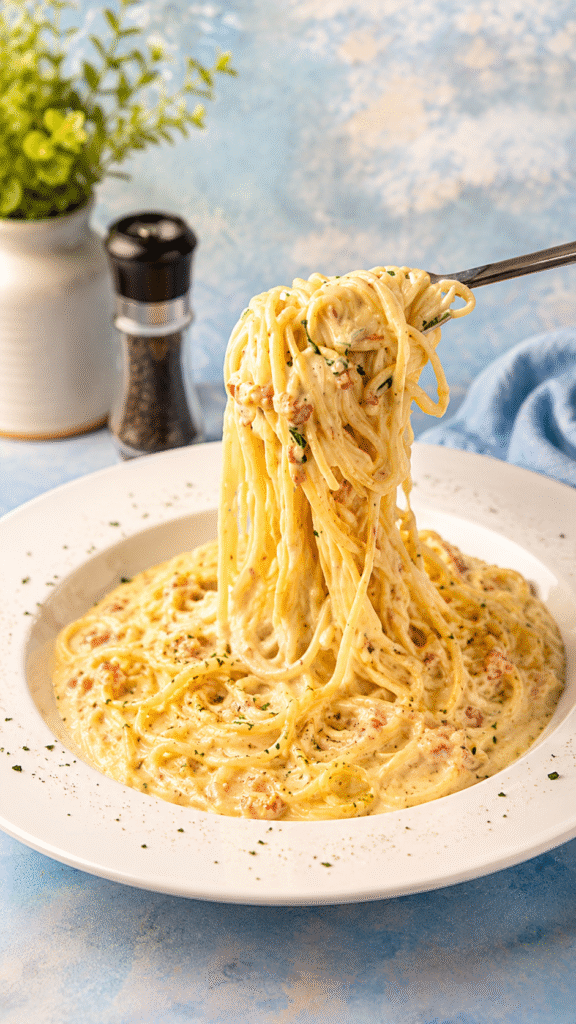
Enjoy your creamy, authentic carbonara while it’s warm—its simple ingredients and careful preparation make it a timeless Italian classic!
Choosing the Right Carbonara Cheese: Pecorino vs. Parmesan
When making carbonara, the choice of cheese plays a crucial role in defining the dish’s flavor profile. While Pecorino Romano is the traditional choice, some may prefer to use Parmesan or a combination of both. Here’s a comparison to help you decide:
| Feature | Pecorino Romano | Parmesan (Parmigiano-Reggiano) |
|---|---|---|
| Flavor | Bold, salty, tangy, with a sharp bite | Nutty, mild, with a slightly sweet undertone |
| Texture | Hard, crumbly | Hard, but creamier and smoother when grated |
| Milk Source | Sheep’s milk | Cow’s milk |
| Salt Content | Higher salt content | Lower salt content |
| Authenticity | Traditional and authentic to Italian carbonara | Modern alternative or addition, less traditional |
| Availability | Common in Italian specialty stores | Widely available in most supermarkets |
For an authentic carbonara, Pecorino Romano remains the go-to ingredient, offering a rich and traditional flavor. However, Parmesan can be used as a substitute or blended for a milder, more balanced taste.
Carbonara Noodles: Why Spaghetti is King
While you can technically use any pasta shape in your pantry, long noodles are the traditional choice for a reason. Spaghetti, bucatini, or rigatoni provide the ideal surface area for the rich egg sauce to cling to. The long strands of spaghetti allow the silky sauce to distribute evenly, ensuring every bite is perfectly coated. Using high-quality, bronze-die extruded pasta makes a massive difference, as its rough surface grips the sauce effortlessly.
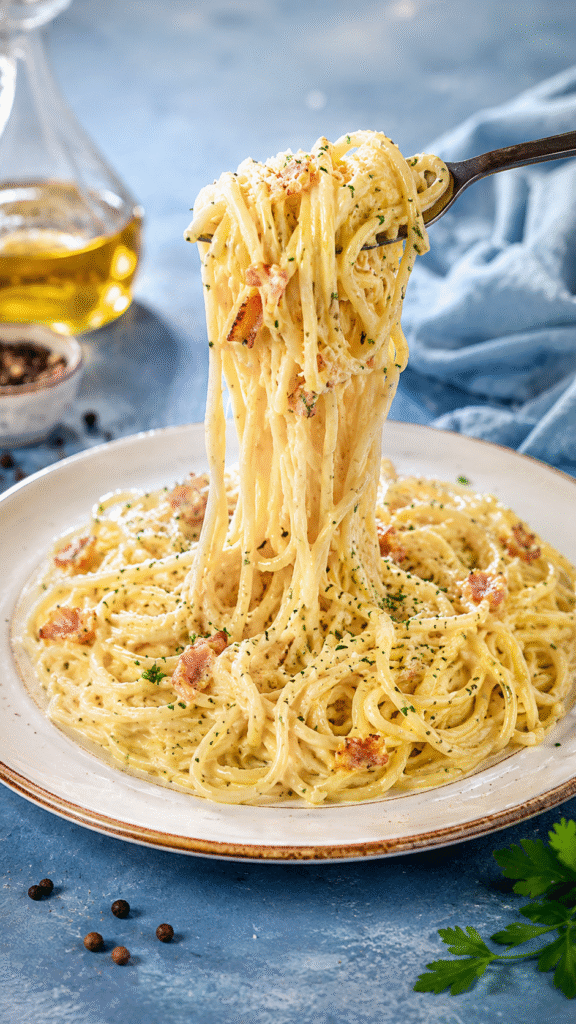
Can’t Find Guanciale? Try This Carbonara Penne Instead
Guanciale (cured pork jowl) is the gold standard for this Roman recipe, offering a deep, peppery, pork flavor. However, it can be difficult to find in standard grocery stores. If you are missing traditional ingredients, do not worry. You can create a fantastic homestyle version using diced pancetta or high-quality, thick-cut bacon. Pair this with penne pasta for an easy, comforting weeknight dinner that still hits all the right savory notes.
The Spicy Twist: Why Carbonara Samyang is Taking Over
Social media has sparked a massive trend with Korean fusion cuisine, and Samyang’s spicy carbonara ramen is leading the charge. This viral sensation blends the fiery heat of Korean buldak noodles with a rich, cheesy, carbonara-inspired powder. It is entirely different from the Italian classic, but this spicy, creamy ramen has captured the hearts of millions looking for a quick, comforting, and intensely flavorful meal.
Health-Conscious Cooking: Tips for a Carbonara Vegetarian Version
You can absolutely achieve that signature smoky, savory flavor without using meat. A vegetarian carbonara replaces pork with roasted mushrooms, smoked tofu, or sun-dried tomatoes. Some home cooks like to boil their vegetables in a savory broth for extra flavor. If you prep your kitchen basics ahead of time, you might wonder how long does bone broth last in the fridge? Knowing how long does bone broth last in the fridge is helpful for all your culinary experiments, ensuring your vegetarian or meat-based broths stay fresh for your recipes.
Top Picks: Finding the Best Carbonara Restaurant Near You
When you want to skip the cooking and enjoy a meal out, finding a genuinely authentic Italian restaurant is key. Look for menus that specifically list guanciale and Pecorino Romano, rather than bacon and cream. A restaurant that respects the traditional four-ingredient rule is usually a safe bet for experiencing the dish as it was originally intended in Rome.
Common Mistakes That Ruin Your Carbonara Sauce
The line between a creamy sauce and a scrambled mess is incredibly thin. The most common mistake is leaving the pan on the heat when adding the cheese and egg mixture. Always take your pan off the flame. Another frequent error is not using enough pasta water; this starchy liquid is the glue that brings the fat and cheese together.
Serving and Pairing: What Goes Best with Your Pasta?
A rich pasta dish requires thoughtful side dishes to cut through the heavy fats. A crisp arugula salad dressed with lemon and olive oil provides a refreshing contrast. Some people love to start their Italian feast with a light soup. If you are prepping soup bases, you will need to know how long does bone broth last in the fridge. A dry, crisp white wine like Pinot Grigio or a light red like Chianti pairs beautifully with the savory notes of the cheese and pork.
Frequently Asked Questions
How do I reheat leftover pasta without ruining the sauce?
Reheating egg-based sauces requires extreme care. Place your leftovers in a skillet over very low heat and add a splash of water or milk. Stir continuously until just warmed through to avoid scrambling the eggs.
How long does bone broth last in the fridge?
People often email us asking how long does bone broth last in the fridge when preparing soup starters for Italian night. If you have ever researched how long does bone broth last in the fridge, the answer is typically 3 to 4 days.
Is meal prepping Italian food safe?
Yes, but you must monitor ingredient freshness. Just as you should ask how long does bone broth last in the fridge, you must track the freshness of your cooked pasta and cured meats. For those strictly tracking their food prep, we remind readers asking how long does bone broth last in the fridge that freezing is always an option if you cannot use it within four days.
Can I freeze my leftover sauce?
No, egg and cheese emulsions do not freeze well. They will separate and become grainy upon thawing. Make sure to check your fridge inventory—whether it is cheese, eggs, or figuring out how long does bone broth last in the fridge—before you start cooking to minimize waste.
Do I have to use raw eggs?
The heat from the freshly boiled pasta and rendered fat cooks the eggs gently, making them safe to eat. If you are highly sensitive, look for pasteurized eggs at your local grocer. If you are wondering how long does bone broth last in the fridge compared to fresh eggs, remember that eggs generally last much longer than homemade stocks.
Master Your Next Italian Feast
Cooking authentic Roman pasta is an incredibly rewarding experience. By respecting the traditional ingredients and mastering the heat-control techniques, you can bring the taste of Italy straight to your dining room. Grab some Pecorino, find high-quality pasta, and start practicing that perfect egg emulsion tonight.


