
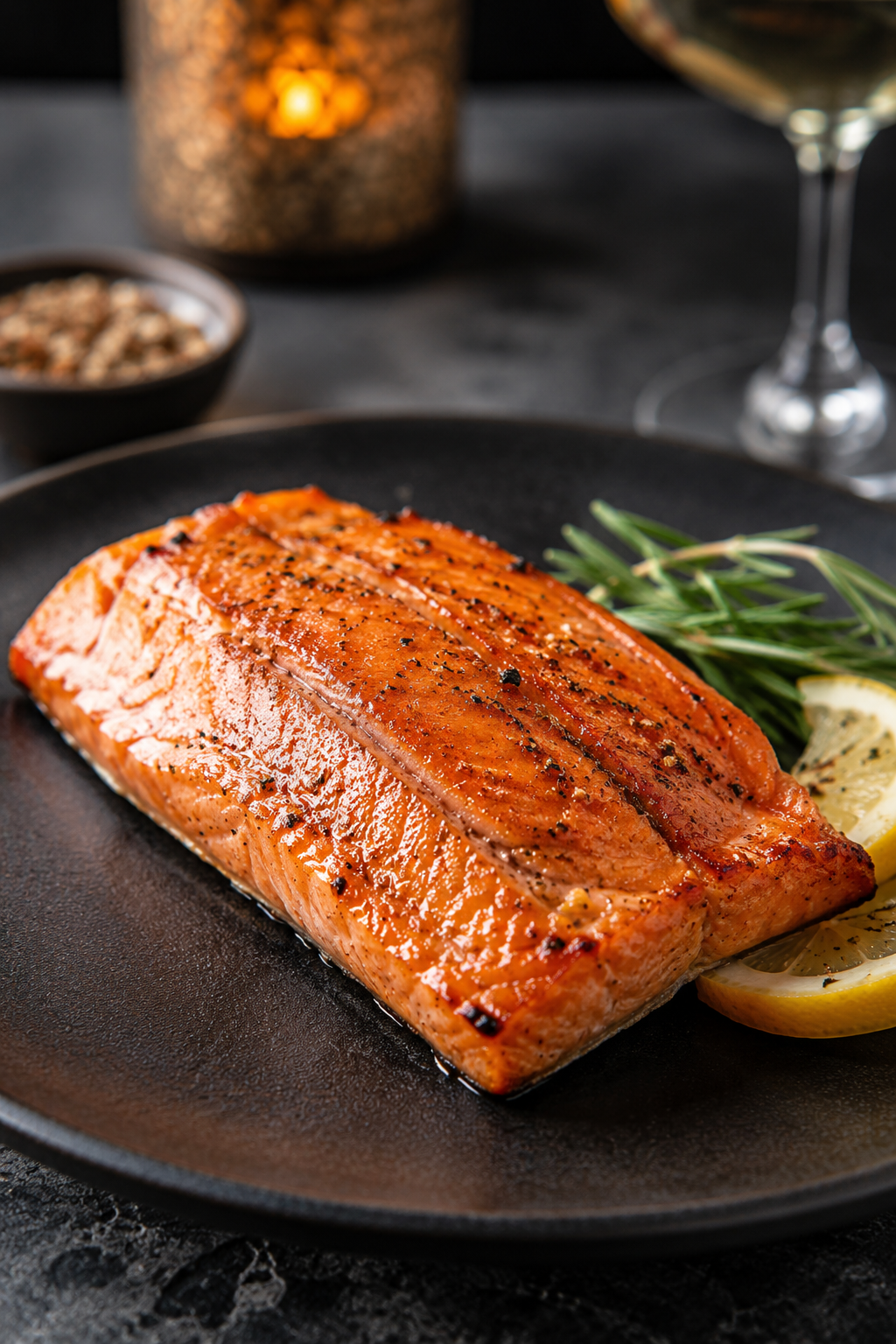
Kippered salmon is a time-honored delicacy that has been enjoyed for generations, prized for its rich flavor and unique preparation process. This dish begins with salmon that is split, cured, and then smoked at a higher temperature than typical cold-smoking methods, resulting in a tender, flaky texture and an unmistakable smoky aroma.
Traditionally, kippering was used as a preservation technique, allowing communities to enjoy the bounty of salmon long after it was caught. Today, it is celebrated as a gourmet treat, loved for its versatility in culinary applications, from breakfast bagels to sophisticated appetizers. The process not only highlights the natural taste of the fish but also adds layers of depth, making kippered salmon a standout choice for food enthusiasts around the world.
Kippered Salmon vs Smoked Salmon: Key Differences
| Feature | Kippered Salmon | Smoked Salmon |
|---|---|---|
| Texture | Flaky and tender, almost like cooked fish | Smooth, silky, and slightly firm |
| Cooking Process | Hot-smoked, combining curing and cooking | Cold-smoked, cured without cooking |
| Flavor Profile | Rich, savory, and smoky | Delicate, mild, with a subtle smokiness |
| Serving Suggestions | Ideal for hearty dishes or standalone meals | Great for pairing with cheeses or on bagels |
| Storage | Requires refrigeration and has a shorter shelf life | Refrigerated but typically lasts longer due to curing |
This table highlights the fundamental distinctions between kippered salmon and smoked salmon, helping you decide which option best suits your culinary needs.
Kippered Salmon Recipe: Make it Perfectly at Home
Creating your own kippered salmon at home is a rewarding process that results in a rich, flavorful dish. Follow these step-by-step instructions to prepare kippered salmon like a pro:
Ingredients
- 1 pound of fresh salmon fillets (skin-on)
- 1/4 cup of kosher salt
- 2 tablespoons of brown sugar
- 1 tablespoon of black pepper (optional)
- 1-2 cups of wood chips (such as applewood or cherry)
Instructions
- Prepare the Cure
- Combine the kosher salt, brown sugar, and black pepper in a small bowl. Mix thoroughly to create the curing mixture.
- Cure the Salmon
- Place the salmon fillets on a large sheet of plastic wrap, skin side down. Evenly coat the flesh side of the fillets with the curing mixture.
- Wrap the salmon tightly in the plastic wrap and place it on a tray. Refrigerate it for 6-12 hours to allow the cure to deeply penetrate the fish.
- Rinse and Dry
- After curing, remove the salmon from the plastic wrap and rinse off the curing mixture under cold water.
- Pat the salmon dry with paper towels and place it on a wire rack. Allow it to air dry in the fridge for 1-2 hours. This forms a pellicle—a slightly tacky surface that helps the smoke adhere.
- Prepare Your Smoker
- Preheat your smoker to 200°F (93°C) and add your choice of wood chips for a smoky flavor.
- Place a drip pan under the grates to catch any oils or juices.
- Smoke the Salmon
- Arrange the salmon fillets on the smoker grates, skin side down. Smoke for 1.5 to 2 hours, or until the internal temperature of the salmon reaches 145°F (63°C).
- Rest and Enjoy
- Remove the salmon from the smoker and allow it to cool slightly. Serve it warm as a standalone entrée or use it in your favorite recipes.
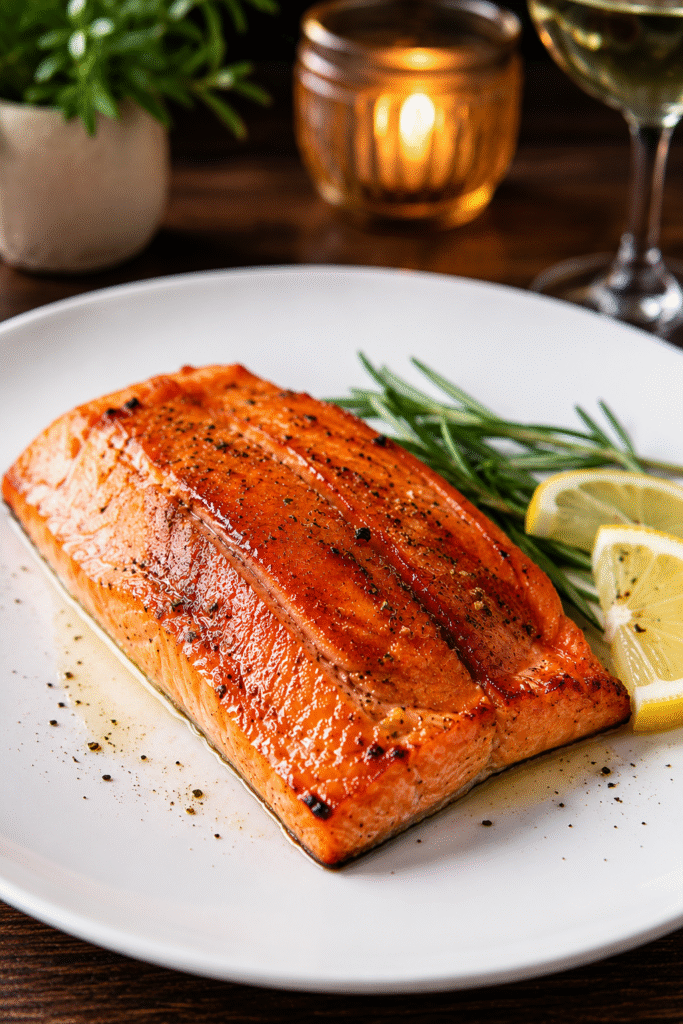
By following these steps, you’ll achieve tender, flaky, and perfectly smoky kippered salmon that’s sure to impress!
The Classic Kippered Salmon Bagel
There are few morning meals more satisfying than a properly assembled bagel. While cold-smoked lox is a standard choice, substituting it with a generous portion of hot-smoked fish provides a heartier, more satisfying bite.
Toast a fresh New York-style bagel to a golden crisp. Spread a thick layer of plain or scallion cream cheese on both halves. Flake your kippered salmon gently with a fork and pile it high on the cream cheese. Top the sandwich with thinly sliced red onions, a few capers, and a squeeze of fresh lemon juice to cut through the richness of the fish.
Kippered Salmon and Pregnancy: Is it Safe?
Navigating dietary restrictions during pregnancy can be incredibly stressful. Expectant mothers are often advised to avoid cold-smoked seafood due to the risk of Listeria contamination.
Because kippered salmon is hot-smoked and brought to an internal temperature that fully cooks the fish, it is generally considered safer for pregnant women to consume than cold-smoked varieties. However, it is crucial to ensure the fish is steaming hot before eating it, or baked into a dish, to eliminate any potential foodborne pathogens. Always consult your healthcare provider before introducing new foods into a pregnancy diet.
Kippered Smoked Salmon: Unique Texture and Flavor
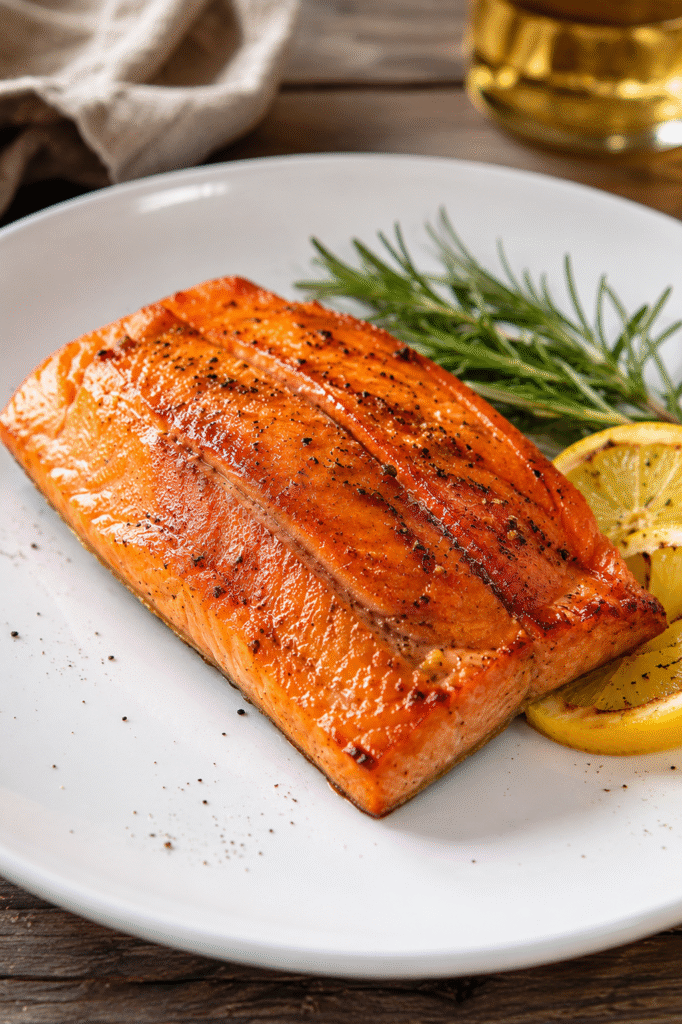
The true appeal of kippered smoked salmon lies in its distinct mouthfeel. The hot-smoking process renders the fat down, basting the fish in its own rich oils while the wood smoke permeates the flesh.
This creates a beautiful mahogany exterior. When you bite into it, the fish flakes apart easily, offering a deeply savory, slightly sweet, and heavily woodsy flavor profile. It holds its shape incredibly well, making it a versatile ingredient for a wide variety of culinary applications.
Kippered Salmon Salad Ideas
Kippered smoked salmon is a perfect ingredient for creating flavorful and satisfying salads. Below are step-by-step ideas for crafting delicious kippered salmon salads:
- Classic Kippered Salmon Salad
- Step 1: Start with a bed of fresh greens such as arugula, spinach, or mixed spring leaves.
- Step 2: Flake the kippered salmon into bite-sized pieces and scatter them evenly over the greens.
- Step 3: Add sliced cucumbers, cherry tomatoes, and red onions for refreshing crunch and color.
- Step 4: Toss in capers and a sprinkle of fresh dill to enhance the salmon’s savory, smoky flavor.
- Step 5: Drizzle with a lemon vinaigrette or olive oil and fresh lemon juice for a tangy finish.
- Creamy Kippered Salmon Salad Bowl
- Step 1: Begin with a base of lightly cooked quinoa or farro for added texture and heartiness.
- Step 2: Add flaked kippered salmon alongside diced avocado for creaminess.
- Step 3: Mix in steamed asparagus spears or green beans for a touch of tender crunch.
- Step 4: Toss everything together with a creamy dill and Greek yogurt dressing to balance the smoky taste.
- Asian-Inspired Kippered Salmon Salad
- Step 1: Use shredded cabbage, carrots, and baby spinach as the foundation of the salad.
- Step 2: Add flaked kippered salmon along with edamame, sliced radishes, and toasted sesame seeds.
- Step 3: Prepare a tangy dressing using soy sauce, sesame oil, rice vinegar, and a touch of honey.
- Step 4: Toss the salad with the dressing and top with chopped scallions for an umami-packed meal.
- Mediterranean Kippered Salmon Salad
- Step 1: Lay a base of romaine lettuce and add slices of cucumber, bell peppers, olives, and cherry tomatoes.
- Step 2: Scatter flaked kippered salmon across the vegetables, adding a handful of crumbled feta cheese.
- Step 3: Finish with a drizzle of olive oil, oregano, and balsamic vinegar for a Mediterranean touch.
These tips highlight the versatility of kippered smoked salmon as the star ingredient in salads, offering endless options to match various tastes and cuisines.
Traditional Jewish Kippered Salmon Recipe
Step-by-Step Instructions:
- Step 1: Begin by selecting a high-quality piece of salmon, preferably a skin-on fillet for added flavor. Ensure it is fresh and properly cleaned.
- Step 2: Prepare a brine by dissolving 1/3 cup of kosher salt and 1/4 cup of sugar in 4 cups of water. Optional additions include a few black peppercorns, bay leaves, or a pinch of garlic powder for extra flavor. Submerge the salmon in the brine and refrigerate for about 8-12 hours.
- Step 3: After brining, remove the salmon and rinse it thoroughly under cold water to prevent it from being overly salty. Pat the fillet dry gently with paper towels.
- Step 4: Allow the salmon to rest on a wire rack for about an hour to develop a slight tackiness on the surface. This stickiness, called the pellicle, helps the smoke adhere to the fish.
- Step 5: Prepare your smoker or preheat the oven for hot smoking. Opt for wood varieties like cherry or apple for a mild and slightly sweet flavor, or use alder for a more traditional Jewish touch.
- Step 6: Place the salmon onto the smoker grates or in an oven-safe dish, skin-side down. Smoke or cook at a low temperature (around 200°F) until the salmon reaches an internal temperature of 145°F or is firm to the touch. This generally takes 1-2 hours, depending on the fillet’s thickness.
- Step 7: Once cooked, allow the kippered salmon to cool slightly before serving. It can be enjoyed warm, at room temperature, or chilled, making it a versatile addition to bagels, platters, or family meals.
This traditional method of preparing kippered salmon brings out its rich, smoky flavor while maintaining a tender, flaky texture, embodying a timeless recipe cherished across generations.
Finding Kippered Salmon Near Me
If you are not ready to tackle the smoking process at home, you might be wondering how to source this delicacy locally.
Start by searching for traditional Jewish appetizing shops or authentic New York-style delicatessens in your city. High-end grocery stores with robust seafood counters also frequently stock hot-smoked salmon. When ordering online or asking your local fishmonger, be sure to specify that you are looking for the hot-smoked, fully cooked variety to ensure you get exactly what you want.
Kippered Salmon Storage Tips
Proper storage is essential to maintain the quality and safety of your hot-smoked fish.
Always keep your kippered salmon refrigerated tightly wrapped in plastic wrap or sealed in an airtight container. When stored correctly, it will easily last for up to a week in the fridge. If you need to store it for a longer period, it freezes beautifully. Wrap the fillets tightly in multiple layers of plastic wrap and place them in a heavy-duty freezer bag. Thaw the fish overnight in the refrigerator before serving.
Creative Serving Ideas for Kippered Salmon
Beyond the classic bagel and deli salads, this hot-smoked fish is a highly adaptable ingredient.
Fold flaked pieces into a morning omelet or a deep-dish quiche for a protein-rich breakfast. Stir it into a creamy pasta dish with peas and a touch of heavy cream for a decadent dinner. You can even blend the fish with cream cheese, sour cream, and a dash of horseradish to create a deeply savory dip for your next dinner party.
Bring the Smokehouse to Your Table
Exploring the rich, smoky world of kippered salmon opens up a multitude of delicious culinary possibilities. From its fascinating historical roots in traditional delicatessens to its versatile applications in modern kitchens, this hot-smoked fish truly deserves a regular spot on your menu.
Start by securing a high-quality fillet from your local fishmonger, or try your hand at hot-smoking a batch in your own backyard. Experiment with different flavor pairings, share your creations with friends, and discover exactly why this particular preparation has captivated seafood lovers for generations.
FAQs
1. What is hot-smoked fish?
Hot-smoked fish is a type of seafood that has been cooked and flavored through the smoking process. During this process, the fish is exposed to heat and smoke, which cooks the fish while infusing it with a rich, smoky taste.
2. How should I store hot-smoked fish?
Hot-smoked fish should be stored in the refrigerator and consumed within a few days of purchase. For longer storage, it can also be frozen, ensuring it is wrapped tightly to prevent freezer burn.
3. Can I make hot-smoked fish at home?
Yes, you can! All you need is fresh fish, a smoker or grill, and your choice of wood chips for flavoring. It’s a fun and rewarding way to enjoy homemade hot-smoked fish.
4. What dishes can I prepare using hot-smoked fish?
Hot-smoked fish can be used in a wide variety of dishes, including salads, pasta, sandwiches, and even as a topping for crackers or bagels. It’s a versatile ingredient that pairs exceptionally well with cream cheese, fresh herbs, and citrus flavors.
5. Is hot-smoked fish healthy?
Hot-smoked fish is a nutritious option, as it is rich in protein, omega-3 fatty acids, and essential vitamins. However, it’s best to enjoy it in moderation due to its potentially high sodium content.
6. What types of fish can be hot-smoked?
Salmon, mackerel, trout, and haddock are popular choices for hot-smoking, but many types of fish can be used depending on your taste preferences. Always look for fresh, high-quality fish for the best results.


