
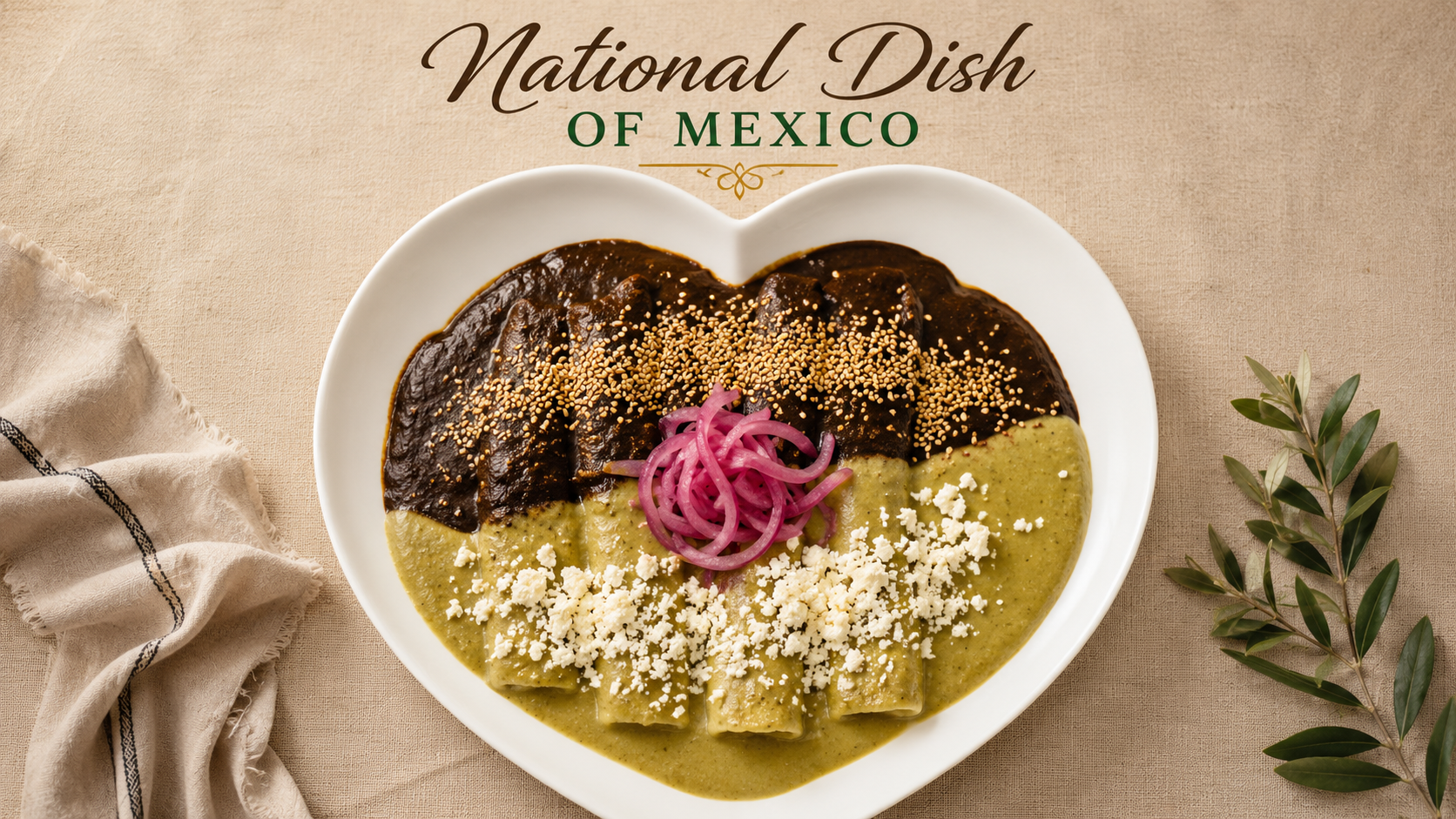
National Dish of Mexico reflects a rich blend of history, culture, and unforgettable flavors that have shaped Mexican cuisine for centuries. From the smoky depth of Mole Poblano to the colorful elegance of Chiles en Nogada, these iconic dishes represent the heart of Mexico’s culinary identity. Every ingredient, from roasted poblano peppers to creamy walnut sauce and aromatic spices, tells a story rooted in tradition and celebration.
Whether you are exploring authentic recipes, learning about cultural heritage, or planning to recreate these famous meals at home, Mexican cuisine offers a delicious journey filled with bold tastes, vibrant colors, and timeless cooking traditions loved around the world.
Exploring the Rich History and Heritage
The culinary landscape of this vibrant nation spans thousands of years, blending indigenous Aztec and Mayan traditions with Spanish colonial influences. Choosing the national dish of Mexico means recognizing a history built on corn, beans, chilies, and chocolate. Every region brings its own distinct cooking methods to the table, creating a diverse food culture recognized globally for its depth and complexity. These ancient techniques have been passed down through generations, preserving the very soul of Mexican heritage.
Traditional National Dish of Mexico: Mole Poblano vs. Chiles en Nogada
| Feature | Mole Poblano | Chiles en Nogada |
|---|---|---|
| Type of Dish | Rich sauce-based main dish | Stuffed pepper main dish |
| Main Protein | Chicken or turkey | Ground pork & beef |
| Key Ingredients | Chilies, chocolate, spices, nuts | Poblano peppers, fruits, walnuts, pomegranate |
| Flavor Profile | Deep, smoky, slightly sweet and spicy | Sweet, savory, creamy, and mildly spicy |
| Sauce | Thick dark mole sauce | Creamy walnut (nogada) sauce |
| Color Symbolism | Dark brown sauce | Green, white, and red (Mexican flag) |
| Seasonality | Year-round | Mostly seasonal (Mexican Independence Day) |
| Origin | Puebla, Mexico | Puebla, Mexico |
| Cultural Role | Everyday & festive celebrations | National patriotic dish |
| Preparation Level | Very complex (many ingredients) | Complex and seasonal preparation |
Both dishes are considered iconic representatives of the national dish of Mexico, each showcasing a different side of the country’s rich culinary heritage.
Wikipedia and Official Records: What Do They Say?
If you search for the national dish of Mexico on Wikipedia or browse historical culinary archives, you will quickly notice that the country does not have one legally mandated recipe. Instead, records highlight both Mole Poblano and Chiles en Nogada as the unofficial representatives of the country. These dishes are celebrated during major national holidays, cementing their status as cultural icons in the official records of Mexican gastronomy.
Is Chile en Nogada a Main Dish or a Seasonal Delicacy?
Many newcomers to Mexican cuisine wonder if Chiles en Nogada is simply an appetizer due to its fruity components. In reality, it is a hearty and fulfilling main course. Prepared primarily around Mexican Independence Day in September, the dish is technically a seasonal delicacy because its key ingredients (specifically fresh walnuts and pomegranates) are harvested during late summer. However, its substantial filling of ground meat, fruits, and spices makes it a complete, satisfying meal.
The Ingredients: Secrets Behind the Authentic Taste
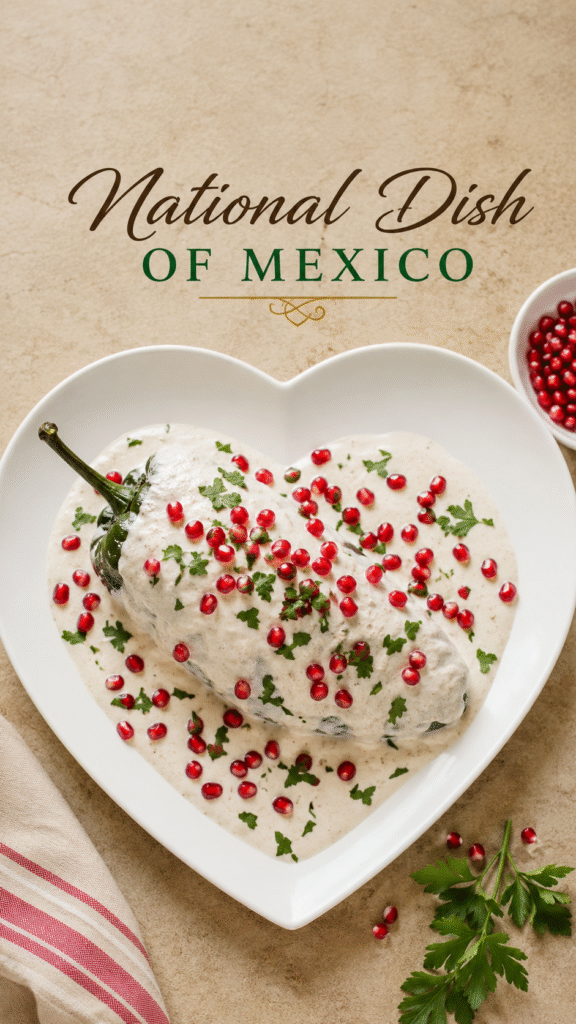
Creating Chiles en Nogada involves a careful selection of ingredients that come together to produce its distinctive flavor. Here is a step-by-step breakdown of the key components:
- Poblano Peppers
The foundation of the dish, poblano peppers are roasted, peeled, and cleaned to remove their seeds. Their mild heat provides the perfect balance to the sweet and savory filling. - The Filling
The stuffing is a mix of ground meat, typically a combination of pork and beef, cooked with a medley of finely chopped fruits like apples, pears, and peaches. Dried fruits such as raisins add another layer of sweetness, and the mixture is seasoned with aromatic spices, including cinnamon and cloves, for a rich, bold taste. - The Walnut Sauce (Nogada)
The creamy sauce is made from fresh walnuts, which are soaked, peeled, and blended with milk, cream, and a touch of sherry for smoothness. This element is essential to the dish’s signature flavor and gives it its name. - Pomegranates
Juicy pomegranate seeds are scattered over the sauce as a garnish. They provide a burst of freshness and a slight tartness that contrasts beautifully with the creamy walnut sauce. - Parsley
Fresh parsley is added as the final touch, completing the dish’s visual representation of the Mexican flag with its red, white, and green colors.
Each ingredient plays an essential role, ensuring that Chiles en Nogada is not just a meal but a celebration of Mexican culture and history.
Recipes: How to Bring Mexico to Your Kitchen
Recreating the national dish of Mexico at home might seem intimidating due to the long ingredient lists, but accessible variations exist. You can find simplified recipes that utilize pre-made mole pastes or substitute hard-to-find seasonal fruits with standard grocery store alternatives. By taking a few practical shortcuts, home cooks can capture the essence of these iconic meals without spending days hovering over a hot stove.
Nogada in English: Understanding the Creamy Walnut Sauce
English speakers often ask about the meaning of “Nogada.” The term is derived from the Spanish word nogal, which translates to “walnut tree.” Therefore, “Nogada” simply refers to the luxurious, creamy walnut sauce that blankets the stuffed poblano peppers. Made with fresh peeled walnuts, milk, cream, and a touch of fresh cheese, this sauce provides a rich, nutty contrast to the spicy pepper and sweet filling.
Using Poultry in Traditional Mole
When preparing Mole Poblano, poultry is the undisputed protein of choice. Serving the national dish of Mexico with chicken or turkey allows the complex, robust sauce to shine. Preparing the poultry usually involves slowly simmering the meat until it is incredibly tender. The broth generated from cooking the chicken is then often used to thin out the thick mole paste, marrying the savory flavors together beautifully.
Step-by-Step Chiles en Nogada Recipe for Beginners
Ready to try your hand at cooking the national dish of Mexico? Here is a beginner-friendly approach to making Chiles en Nogada:
- Roast the Peppers: Char poblano peppers over an open flame, let them sweat in a sealed bag for ten minutes, then peel the skins and carefully remove the seeds.
- Prepare the Filling: Brown ground pork and beef in a skillet. Add chopped onions, garlic, diced apples, pears, peaches, raisins, and slivered almonds. Simmer until the fruits are tender.
- Stuff the Peppers: Carefully spoon the meat and fruit mixture into the hollowed-out poblanos.
- Blend the Sauce: In a blender, combine peeled walnuts, heavy cream, milk, and a pinch of salt until smooth.
- Garnish and Serve: Pour the walnut sauce generously over the stuffed peppers and top with bright red pomegranate seeds and fresh parsley.
Modern Variations in Global Culinary Trends
As global culinary trends evolve, so does the national dish of Mexico. Contemporary chefs are putting modern spins on these historic recipes to cater to changing dietary preferences. You might find deconstructed Chiles en Nogada, vegan moles utilizing jackfruit or wild mushrooms, and fusion dishes that incorporate mole into gourmet burgers or tacos. These creative adaptations ensure that the traditional flavors remain relevant and exciting for a new generation of food lovers.
A Taste of Mexican Heritage to Remember
Cooking and eating the national dish of Mexico is an immersive cultural experience. By understanding the profound history, gathering the unique ingredients, and attempting these recipes at home, you honor a culinary legacy that has captivated the world. Gather your spices, visit your local market, and start planning your very own Mexican feast this weekend.


