
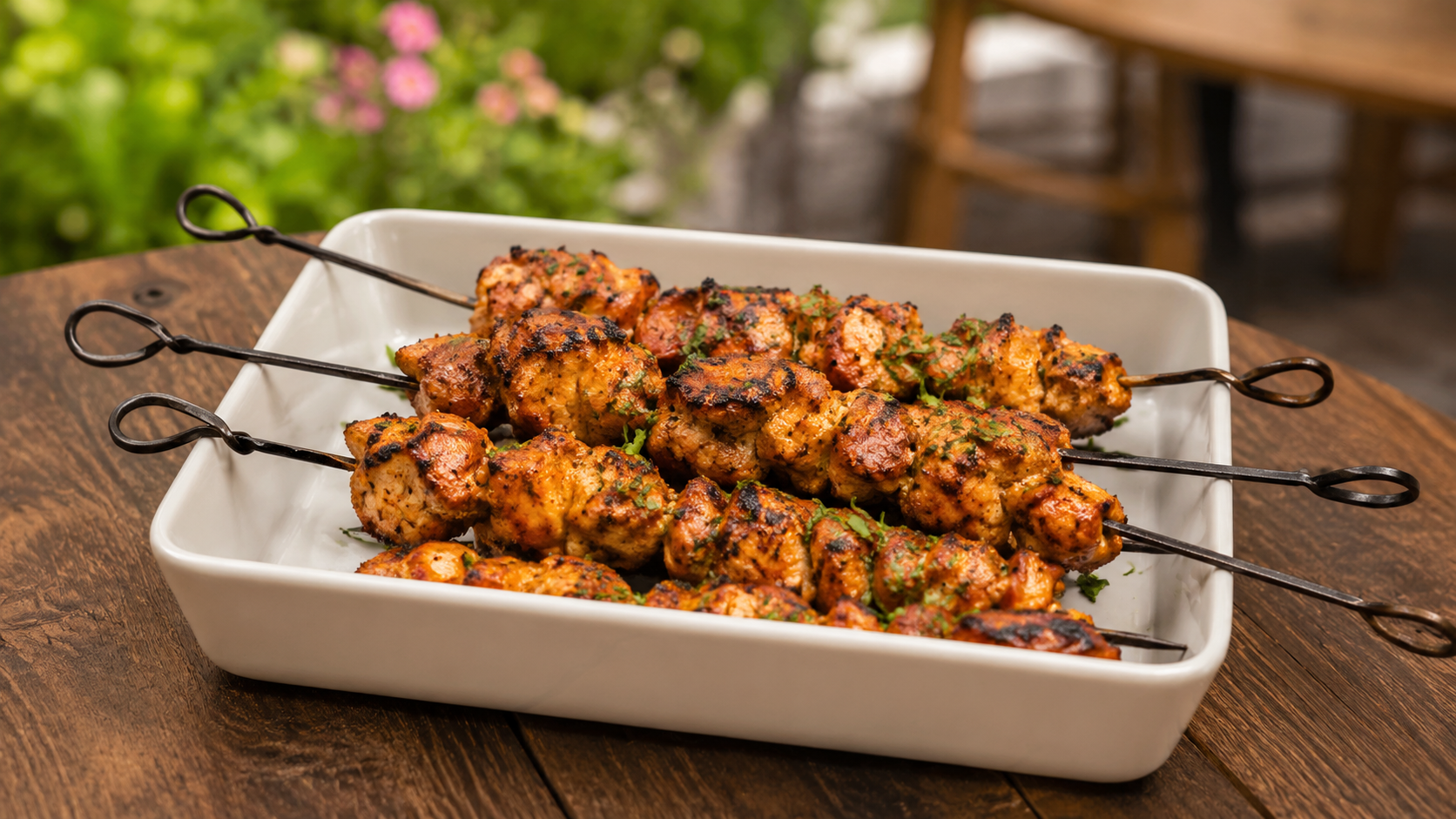
Brochette, a term that translates to “skewer” in French, is more than just a method of cooking—it’s a celebration of flavors and simplicity. Originating from French culinary tradition, brochettes have grown into a global favorite, offering endless possibilities with ingredients ranging from tender meats to vibrant vegetables.
Renowned for their versatility, they can be grilled, baked, or even pan-seared, making them a staple dish for casual gatherings and gourmet dining alike. Whether served as an appetizer or a main course, brochettes are a testament to how creative combinations of fresh ingredients can create a delightful and mouthwatering experience.
Brochette in English: Understanding the Art of the Skewer
When English speakers hear the word brochette, they often wonder how it differs from a standard “skewer” or a “shish kebab.” In English culture, a skewer usually refers to the physical stick itself, while a kebab implies a Middle Eastern flavor profile heavily spiced and charred.
A brochette refers specifically to the French style of threading chunks of meat, seafood, or vegetables onto a skewer before cooking them over an open flame. The distinction lies in the preparation. French variations often rely on subtle herb marinades, wine reductions, and a delicate balance of ingredients that highlight the natural flavors of the food rather than masking them with heavy spices.
Master the Brochette Pronunciation: Sound Like a Culinary Pro
Before you order this dish at a high-end restaurant, you want to make sure you are saying it correctly. Many people stumble over the pronunciation, making it sound overly complicated.
The correct French pronunciation is surprisingly simple: “bro-shet.” The “ch” makes a soft “sh” sound, and the final “e” is silent. Mastering this small detail will make you sound like a true culinary professional the next time you discuss your weekend grilling plans.
The Evolution of the Brochette Dish: From Street Food to Fine Dining
Cooking food on a stick is one of the oldest culinary techniques in human history. Early variations of the brochette dish started as convenient street food. Vendors could easily grill small pieces of meat and hand them to passing customers without the need for plates or utensils.
Over time, French chefs recognized the potential of this cooking method. They began experimenting with premium cuts of beef, delicate seafood like scallops, and vibrant seasonal vegetables. Today, you can find stunning brochette presentations in Michelin-starred restaurants across the globe, proving that great technique can elevate even the simplest street food.
Exploring the Authentic Brochette French Origins
To truly understand this dish, we have to look at its roots. The word itself comes from the French term “broche,” which translates to a spit or a pointed rod. Historically, a broche was used to roast entire animals over a massive fire.
The miniature version, the brochette, allowed home cooks and chefs to apply the same roasting technique to smaller, bite-sized portions. Authentic French traditions dictate that the ingredients should be cut uniformly so they cook at the exact same rate. This meticulous attention to detail is what sets the French variation apart from casual backyard grilling.
Signature Brochette Chicken Recipes for Your Next BBQ
Elevate your next barbecue with these signature brochette chicken recipes that are sure to impress your guests. Follow the step-by-step instructions to achieve perfectly grilled, flavorful chicken brochettes every time.
1. Classic Herb & Garlic Chicken Brochettes
Ingredients:
- 1 lb (450g) chicken breast, cut into 1-inch cubes
- 2 tablespoons olive oil
- 3 garlic cloves, minced
- 1 tablespoon fresh rosemary, chopped
- 1 tablespoon fresh thyme, chopped
- Salt and pepper to taste
- Wooden skewers, soaked in water for 30 minutes
Instructions:
- Prepare the Marinade
In a medium bowl, mix olive oil, minced garlic, rosemary, thyme, salt, and pepper. - Marinate the Chicken
Add the chicken cubes to the marinade and toss until well-coated. Cover and refrigerate for at least 1 hour, allowing the flavors to infuse. - Skewer the Chicken
Thread the marinated chicken cubes onto the soaked wooden skewers, leaving some space between pieces for even cooking. - Grill the Brochettes
Preheat the grill to medium-high heat. Place the brochettes on the grill, turning every 3-4 minutes until the chicken is fully cooked and has a nice char, roughly 10-12 minutes in total. - Serve and Enjoy
Remove the brochettes from the grill and serve immediately. Pair with a zesty dipping sauce or fresh salad for a complete meal.
2. Spicy Teriyaki Chicken Brochettes
Ingredients:
- 1 lb (450g) chicken thighs, cut into 1-inch cubes
- 3 tablespoons teriyaki sauce
- 1 tablespoon soy sauce
- 1 teaspoon sesame oil
- 1 teaspoon chili flakes or Sriracha (adjust to spice preference)
- 1 bell pepper and 1 red onion, both cut into 1-inch chunks
- Wooden skewers, soaked in water for 30 minutes
Instructions:
- Mix the Marinade
Combine teriyaki sauce, soy sauce, sesame oil, and chili flakes in a bowl to create a flavorful, spicy marinade. - Marinate the Chicken
Place the chicken cubes in the marinade, ensuring each piece is coated evenly. Refrigerate for at least 30 minutes, or up to 2 hours for a bolder flavor. - Add Vegetables to the Skewers
Alternate chicken pieces with chunks of bell pepper and red onion as you thread them onto wooden skewers. - Grill to Perfection
Heat the grill to medium heat. Place the brochettes on the grill and cook for approximately 12-15 minutes, turning occasionally. Be sure the chicken reaches an internal temperature of 165°F (75°C). - Garnish and Serve
Once cooked, sprinkle with sesame seeds and serve hot with steamed rice or grilled vegetables for a complete dish.
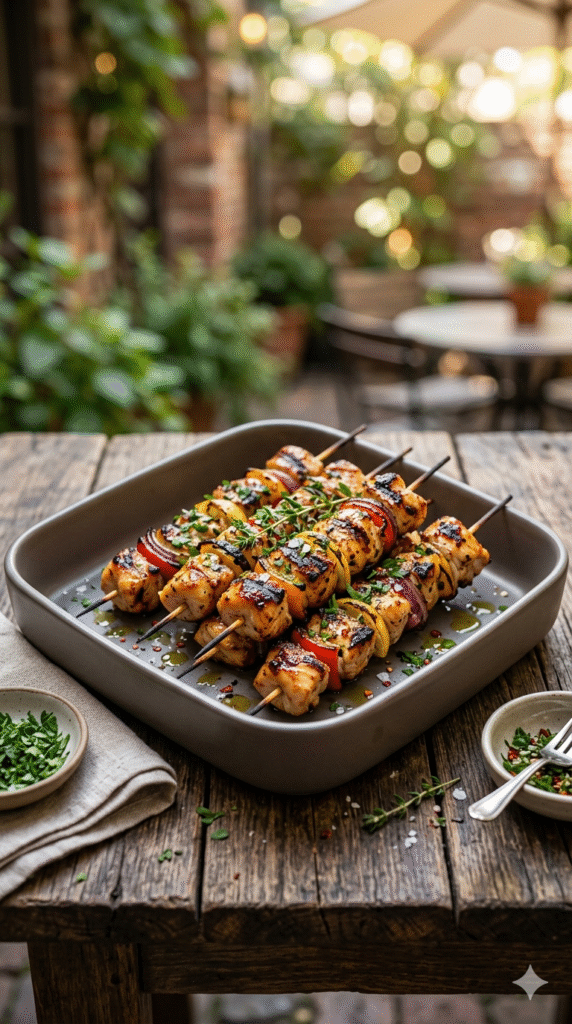
These brochette chicken recipes are simple, delicious, and perfect for your next BBQ gathering. Enjoy experimenting with different marinades and accompaniments to suit your taste!
The Secret is in the Brochette Sauce: Flavors That Pop
A great skewer is nothing without an exceptional sauce to accompany it. While the grilled meats and vegetables carry a lovely smoky flavor, a bright brochette sauce adds the necessary contrast.
Consider serving your meal with a classic Béarnaise sauce for a rich, buttery finish. If you want something lighter, a garlic and herb pistou—similar to pesto but without the pine nuts—brings a fresh, vibrant kick. For seafood skewers, a simple lemon-dill yogurt sauce provides a cool, tangy element that makes the flavors truly pop.
Beyond Food: The Elegant World of Brochette Jewelry
Interestingly, the influence of this French word extends far beyond the kitchen. In the world of fashion, brochette jewelry refers to designs inspired by the long, slender, and elegant shape of a skewer.
These jewelry pieces often feature a straight, rigid bar adorned with pearls, diamonds, or colorful gemstones spaced out evenly—much like ingredients on a cooking spit. This linear design creates a striking, sophisticated look that draws the eye and elongates the wearer’s silhouette.
The Timeless Appeal of the Brochette Pin
A specific subset of this jewelry trend is the brochette pin. Highly popular in vintage fashion, these long decorative pins were traditionally used to secure heavy fabrics, scarves, or hats.
A vintage brochette pin often features intricate metalwork at one end, trailing down to a sharp, functional point. Today, antique collectors and fashion enthusiasts prize these pins for their unique blend of functionality and ornate beauty, proving that good design translates seamlessly from the culinary arts to high fashion.
Creative Brochette Combinations: Meat, Veggies, and Fruit
If you want to impress your dinner guests, step away from the standard meat-and-onion combinations. Advanced brochette ideas incorporate a mix of savory, sweet, and salty elements.
Try threading chunks of salty halloumi cheese alongside fresh peaches and prosciutto. When the peaches hit the grill, their natural sugars caramelize, perfectly offsetting the salty cheese. Another fantastic combination is spicy chorizo sausage paired with jumbo shrimp and sweet bell peppers. The fat from the sausage bastes the shrimp as it cooks, resulting in an incredibly flavorful bite.
Essential Tools: Choosing the Right Skewers for Your Brochette
Your choice of tools will directly impact your final dish. When preparing a brochette, you generally have two options: wood or metal skewers.
Wooden or bamboo skewers are inexpensive and great for casual gatherings. However, you must soak them in water for at least thirty minutes before grilling to prevent them from catching fire. Metal skewers, on the other hand, are reusable and eco-friendly. Because metal conducts heat, it actually helps cook the center of the meat from the inside out, making them ideal for thicker cuts of beef or lamb.
Plating and Presentation: Making Your Brochette Look High-End
We eat with our eyes first. To make your simple grilled dish look like it belongs in a high-end restaurant, pay attention to your plating.
Avoid piling the skewers haphazardly on a round plate. Instead, use a long, rectangular platter to mirror the shape of the brochette. Rest the skewers on a bed of seasoned couscous, wild rice, or fresh arugula. Finally, garnish the dish with a sprinkle of fresh herbs, a drizzle of high-quality olive oil, and a few wedges of charred lemon to give it a professional, polished finish.
Elevate Your Next Culinary Adventure
The brochette is a testament to the idea that simple ingredients, when treated with care and respect, can become something extraordinary. From its humble origins as a French street food to its surprising influence on vintage jewelry, this iconic skewer has left a lasting mark on culture.
The next time you fire up the grill, take a moment to apply these French techniques. Marinate your ingredients thoughtfully, choose the right tools, and plate with purpose. You will quickly discover why this classic cooking method remains a favorite among chefs around the world.
FAQs
Q: What is the origin of cooking food on skewers?
A: Cooking food on skewers dates back thousands of years and has been a common practice across various cultures. The French adaptation of this technique highlights the fusion of simplicity and elegance in their culinary traditions.
Q: How long should ingredients be marinated before grilling?
A: The marination time can vary depending on the type of ingredients. For instance, meat benefits from marinating for a minimum of 30 minutes and up to 24 hours. Vegetables, on the other hand, often require less time—approximately 15 to 30 minutes.
Q: What type of skewers should I use for grilling?
A: Both bamboo and metal skewers are popular choices. Bamboo skewers are lightweight and affordable, but they should be soaked in water prior to use to prevent burning. Metal skewers are reusable, sturdy, and ideal for high-heat grilling.
Q: Can I use these techniques for non-meat options?
A: Absolutely! These techniques work wonderfully with vegetables, tofu, and even fruit. By adjusting marinades and cooking times, you can create delicious skewered dishes to suit any dietary preferences.
Q: How can I ensure my skewers cook evenly?
A: To ensure even cooking, cut ingredients into uniform sizes and avoid overloading the skewer. Rotate them regularly on the grill for consistent heat distribution.


