
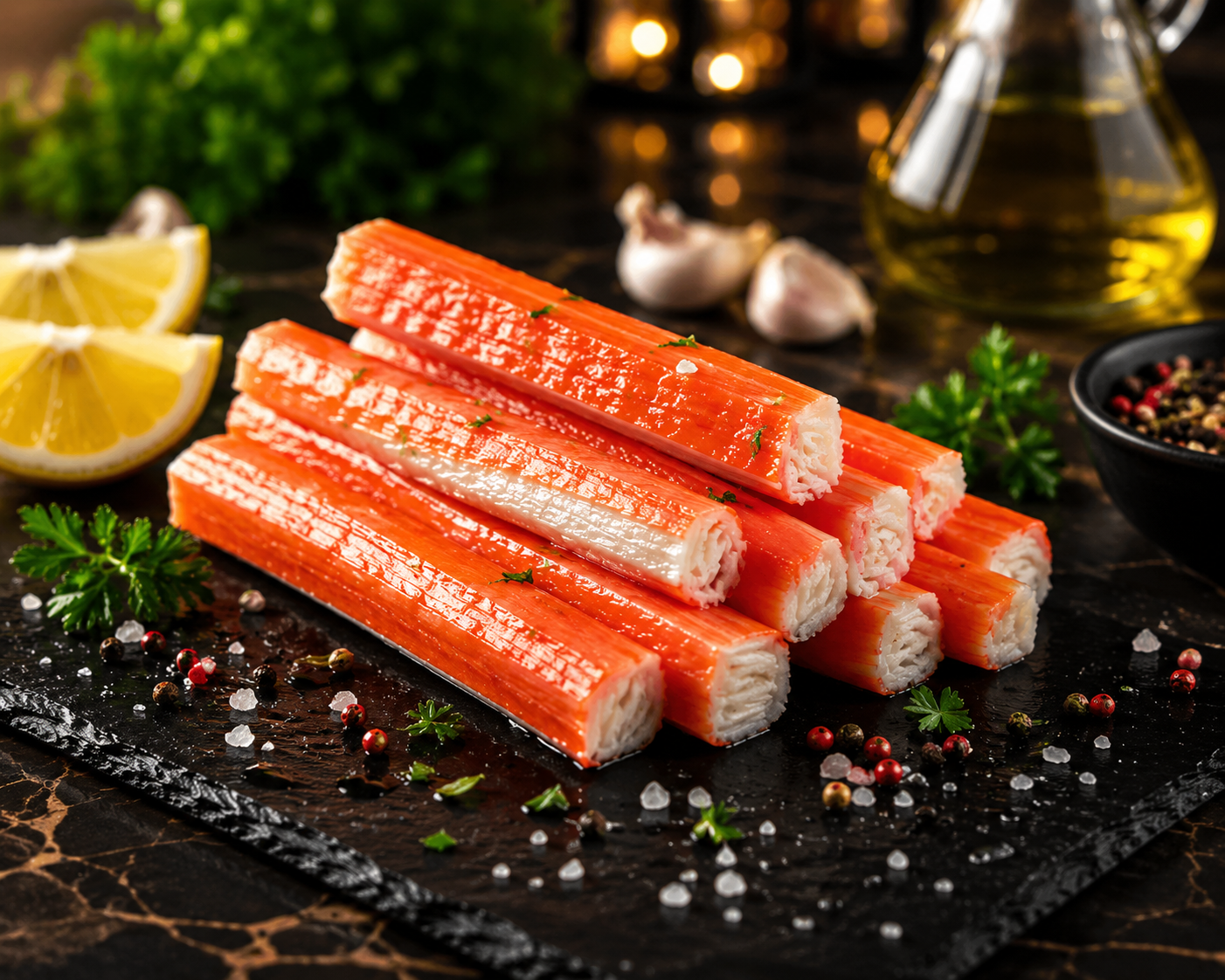
Kani is the Japanese word for crab, but in the context of modern sushi, it usually refers to imitation crab meat known as surimi. This ingredient is made primarily from pulverized whitefish, typically Alaskan pollock, which is flavored, shaped, and dyed to resemble real crab leg meat.
If you have ever eaten a California roll, you have likely tasted kani. It is the sweet, slightly salty, red-and-white seafood stick that adds a pleasant texture to countless sushi dishes. But despite its massive popularity in Japanese restaurants worldwide, many diners still find themselves asking exactly what they are eating.
You might assume it is actual crab straight from the ocean. The reality is a bit more complex, blending traditional culinary arts with modern food science. This guide will explore everything you need to know about this popular ingredient, from its origins and nutritional value to how you can prepare it in your own kitchen.
What is Kani in English? Unveiling the Real Meaning
To understand the core question of what is kani, we need to look at the translation. In English, the Japanese word “kani” directly translates to “crab.” When you visit traditional coastal regions in Japan, ordering kani means you will receive genuine, freshly caught crab.
However, in global sushi restaurant terminology, the word has taken on a different meaning. When you see kani on a modern menu—especially in North America—it almost always refers to imitation crab meat. The technical term for this imitation product is “kani kamaboko,” which is often shortened simply to kani.
What is Kani on Sushi, and Why is it So Popular?
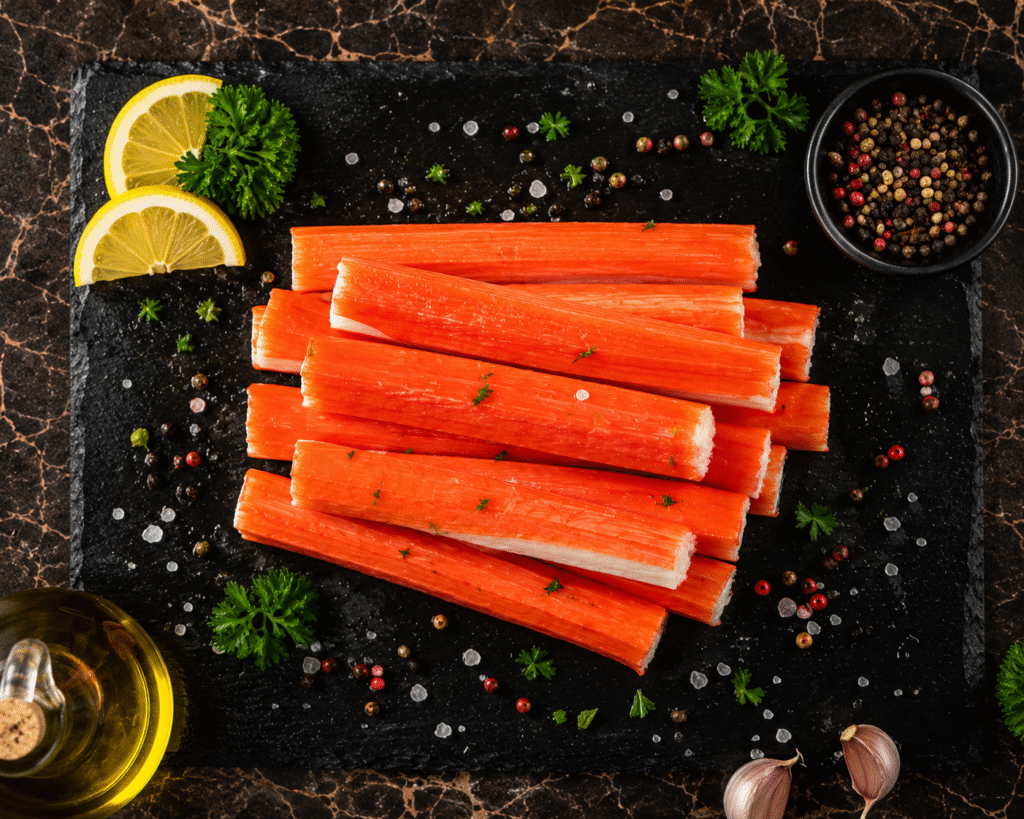
So, what is kani when it comes to your favorite sushi rolls? It is the primary filling used in popular westernized sushi dishes. The famous California roll relies on this imitation crab, pairing it with avocado, cucumber, and rice.
Sushi chefs favor kani kamaboko for several reasons. First, it is significantly more affordable than real crab meat, allowing restaurants to keep menu prices reasonable. Second, it has a uniform texture and flavor that remains consistent year-round, unlike wild-caught seafood. Finally, its subtle sweetness pairs perfectly with the acidity of seasoned sushi rice and the saltiness of soy sauce.
The Culinary Background: What is Kani in Japanese Culture?
The history of this ingredient highlights a fascinating division between traditional and modern culinary practices. Historically, Japanese cuisine celebrated real crab (genuine kani) as a seasonal luxury. It was—and still is—enjoyed boiled, grilled, or served raw as sashimi.
In the 1970s, Japanese food manufacturers developed a way to mimic the texture and taste of real crab using abundant, cheaper fish. This innovation birthed kani kamaboko. Today, Japanese culture embraces both. Genuine crab is reserved for special occasions and high-end dining, while imitation crab serves as a convenient, everyday staple in bento boxes and casual sushi spots.
What is Kani Fish? The Surprising Truth Behind the Ingredient
Kani fish, commonly found in imitation crab products, is not a specific type of fish but rather a processed seafood product crafted to resemble real crab. Here’s how it’s made:
- Selecting the Fish
The process begins with surimi, a paste made from ground fish, such as pollock or whiting, which are known for their mild flavor and abundance. - Forming the Paste
The fish is deboned, washed, and pulverized into a smooth paste. This step ensures that the final product can achieve the desired texture and consistency. - Flavorful Additions
To mimic the taste of crab, seasonings, starch, egg whites, and other ingredients are mixed into the paste. Sometimes, natural crab extract is added for enhanced authenticity. - Shaping and Coloring
The mixture is shaped into sticks or other forms and often dyed with an outer layer of reddish-orange to replicate the appearance of real crab meat. - Steaming and Packaging
Finally, the product is cooked, cooled, and packaged for distribution. It becomes a versatile ingredient, ready to be enjoyed in sushi, salads, and a variety of other dishes.
Though kani fish is not actual crab, it remains a popular, affordable alternative that keeps the flavors of the sea within reach for everyday meals.
Is Kani Cooked or Raw? Direct Answers for Sushi Lovers
If you are hesitant about eating raw seafood, you might wonder about the preparation of this ingredient. What is kani in terms of its cooking status? You will be glad to know that kani is fully cooked.
During the surimi manufacturing process, the fish paste is steamed and heated until it sets into a firm, solid block or stick. Because it is completely cooked before it ever reaches the sushi chef, kani is perfectly safe to eat straight out of the package. This makes it an excellent introductory ingredient for people who want to try sushi but prefer to avoid raw fish.
The Dietary Breakdown: Is Kani Healthy for You?
When evaluating your diet, you should understand the nutritional profile of the foods you consume. Kani offers a low-fat, low-calorie source of protein. A standard serving of imitation crab contains around 80 calories and less than 1 gram of fat.
However, because it is a processed food, it comes with a few drawbacks. The manufacturing process strips away some of the natural omega-3 fatty acids found in the original whitefish. Additionally, manufacturers add sugar, starches, and sodium to achieve the right flavor and texture. If you are monitoring your sodium or carbohydrate intake, you should consume kani in moderation.
Is Kani Halal? Ingredients and Dietary Restrictions Explained
For those observing Islamic dietary laws, determining if a food is permissible is crucial. So, what is kani regarding halal compliance? The answer depends heavily on the specific brand and manufacturer.
While the base ingredient (whitefish) is halal, the flavoring agents often cause issues. Many commercial kani brands use mirin (a sweet Japanese rice wine) or artificial crab flavorings extracted from actual crustaceans to enhance the taste. Since alcohol and certain crustacean by-products may not align with strict halal guidelines, consumers should always look for certified halal packaging or contact the manufacturer directly to ensure compliance.
Is Kani Vegetarian or Vegan-Friendly?
Because it is an imitation product, some diners mistakenly believe kani is a plant-based alternative to crab. This is entirely false. Kani is made from real fish (Alaskan pollock) and often contains egg whites as a binding agent. Therefore, it is neither vegetarian nor vegan. Plant-based eaters should look for vegan seafood alternatives made from heart of palm, tofu, or konjac root instead.
How Does Real Crab Compare to Kani Imitation Crab?
Understanding the differences between genuine crab and imitation crab helps you make informed dining choices.
- Flavor: Real crab boasts a delicate, briny sweetness that tastes like the ocean. Kani is generally sweeter and saltier, with a more artificial flavor profile.
- Texture: Genuine crab meat is tender, flaky, and sometimes stringy. Kani has a rubbery, dense, and uniform texture that flakes apart in perfectly straight lines.
- Price: Real crab is an expensive delicacy subject to market pricing. Kani is highly affordable and available at a stable price in almost any grocery store.
Choose real crab if you prioritize authentic flavor and high nutritional value. Choose kani if budget, convenience, and a long shelf-life matter more to you.
How to Use Kani at Home: Quick and Delicious Recipe Ideas
Now that you know exactly what is kani, you can easily incorporate it into your home cooking. It is a highly versatile ingredient that requires zero cooking time. Here are two step-by-step recipes to try at home.
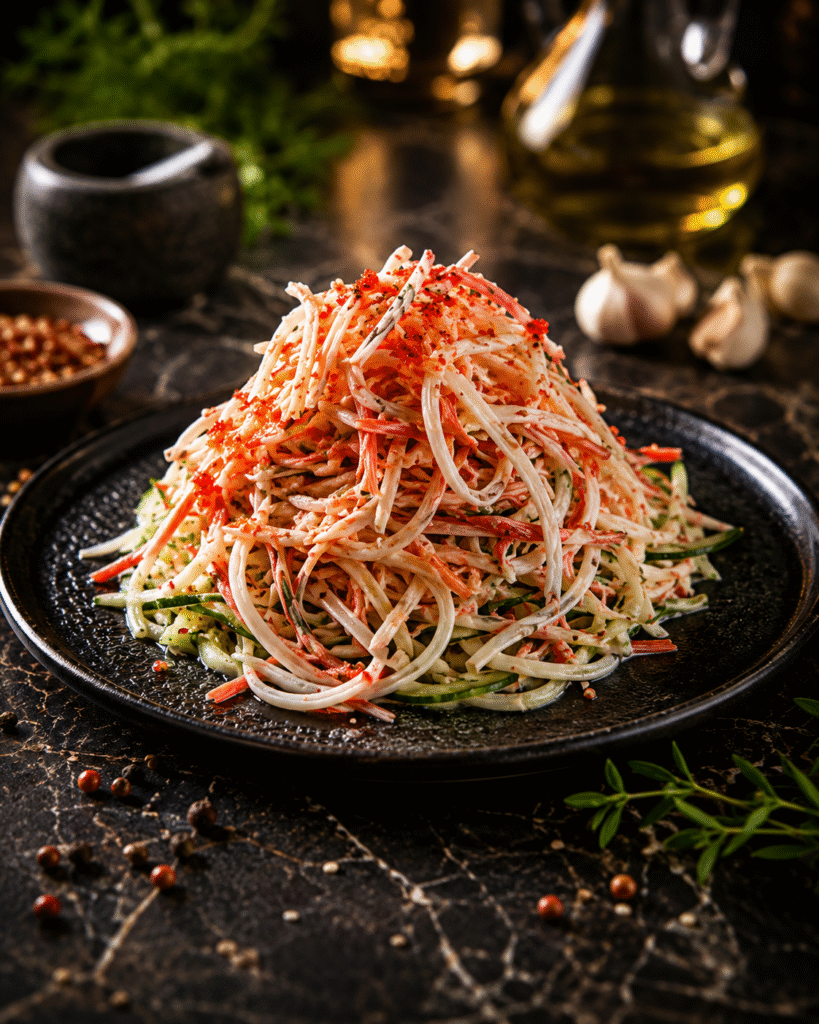
Step-by-step Spicy Kani Salad
This creamy, crunchy salad is a staple in Japanese-American steakhouses.
- Shred the Kani: Take 8 ounces of imitation crab sticks and pull them apart lengthwise to create thin, noodle-like shreds.
- Prepare the Vegetables: Julienne one medium cucumber and half of a medium carrot into thin matchsticks.
- Mix the Dressing: In a small bowl, whisk together 3 tablespoons of Japanese mayonnaise (like Kewpie), 1 tablespoon of sriracha sauce, and a splash of soy sauce.
- Combine and Serve: Toss the shredded kani, cucumber, and carrots with the spicy mayo dressing until evenly coated. Top with toasted sesame seeds and serve immediately.
Step-by-step Homemade California Roll
Making sushi at home is easier than you think.
- Prepare the Rice: Cook 1 cup of short-grain sushi rice and season it with 2 tablespoons of rice vinegar, 1 tablespoon of sugar, and 1 teaspoon of salt. Let it cool.
- Prepare the Fillings: Slice half an avocado and half a cucumber into thin strips. Cut 4 kani sticks in half lengthwise.
- Assemble the Roll: Place a sheet of nori (seaweed) on a bamboo sushi mat. Spread a thin layer of the seasoned rice over the nori.
- Add Fillings and Roll: Place the kani, avocado, and cucumber horizontally across the bottom third of the rice. Carefully lift the bamboo mat and roll it tightly over the fillings, pressing gently to shape the roll.
- Cut and Serve: Use a sharp, wet knife to cut the roll into 8 equal pieces. Serve with soy sauce, wasabi, and pickled ginger.
Elevate Your Sushi Experience
Understanding the ingredients on your plate enhances your overall dining experience. When you ask what is kani, you uncover a brilliant culinary invention that has made sushi accessible and affordable for millions of people worldwide. Whether you are enjoying a casual California roll at your favorite restaurant or whipping up a spicy crab salad in your own kitchen, you can now appreciate the history, science, and flavor behind sushi’s favorite crab stick.
Frequently Asked Questions About Kani
What is kani made out of?
Kani is primarily made of surimi, which is a paste created from minced whitefish (usually Alaskan pollock). It is combined with starches, egg whites, sugar, and crab flavoring, then dyed red on the outside.
Is kani safe for pregnant women?
Yes, kani is safe for pregnant women to eat because the fish paste is fully cooked during the manufacturing process. However, pregnant women should ensure their imitation crab is stored properly and not cross-contaminated with raw fish at sushi restaurants.
Does kani contain gluten?
Many commercial kani brands contain gluten because wheat starch is frequently used as a binding agent for the surimi paste. If you have celiac disease or a gluten sensitivity, you must read the ingredient label carefully to find a certified gluten-free brand.
Can you freeze kani?
Yes, you can freeze kani. Store it in an airtight container or vacuum-sealed bag for up to two months. Keep in mind that freezing may slightly alter the texture, making it a bit more rubbery when thawed.


