A delicious dessert has the power to transform an ordinary meal into a memorable experience. From rich chocolate creations and creamy custards to fruit-filled pastries and frozen delights, the world of dessert offers endless possibilities for every taste and occasion. Beyond satisfying a sweet craving, these treats often carry cultural traditions, family memories, and moments of celebration.
Whether you are an experienced baker looking to refine your skills or a beginner searching for simple recipes, this guide explores everything you need to know about dessert, including its history, preparation techniques, presentation tips, and irresistible recipes that anyone can enjoy.
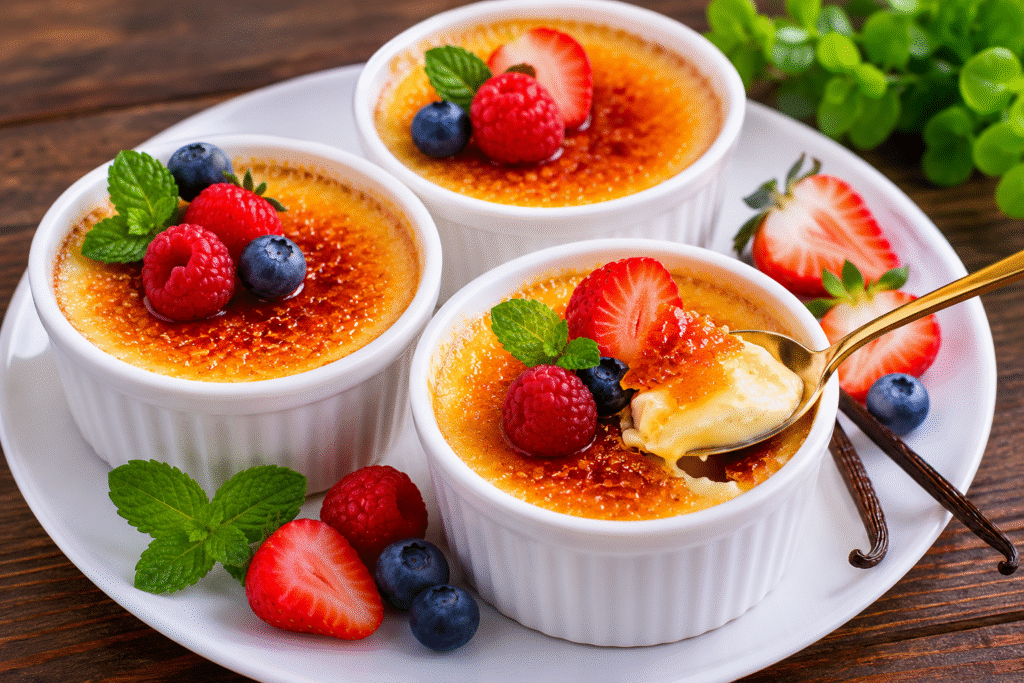
Classic French Crème Brûlée
Ingredients
Method
- Prep the Oven: Preheat your oven to 325°F (163°C). Place four 6-ounce ramekins inside a large, deep baking pan.
- Scald the Cream: In a cheesecake or saucepan over medium heat, heat the heavy cream until bubbles just start to form around the edges. Do not let it boil. Remove from heat and stir in the vanilla extract.
- Whisk the Yolks: In a medium bowl, whisk the egg yolks, 1/3 cup of granulated sugar, and salt together until the mixture becomes slightly pale and smooth.
- Temper the Eggs: Slowly pour a few tablespoons of the warm cream into the egg mixture while whisking constantly. This prevents the eggs from scrambling. Gradually add the remaining cream while continuing to whisk.
- Strain and Pour: Strain the mixture through a fine-mesh sieve into a pitcher to remove any air bubbles. Divide the smooth liquid evenly among the ramekins.
- The Water Bath: Carefully pour hot water into the large baking pan around the ramekins until the water reaches halfway up their sides.
- Bake: Bake for 35 to 40 minutes. The edges should be set, but the centers should still have a gentle, gelatinous jiggle.
- Chill: Remove the ramekins from the water bath, let them cool to room temperature, and then refrigerate for at least 3 hours.
- Torch the Top: Right before serving, sprinkle a thin, even layer of granulated sugar over each custard. Use a kitchen torch to melt and caramelize the sugar into a deep, golden-brown crust. Let it sit for 2 minutes to harden, then serve.
Dessert Meaning: Understanding the History and Evolution of Sweet Treats
To truly appreciate a sweet dish, we must first look at the dessert meaning and how it evolved over centuries. The word itself originates from the French verb desservir, which literally translates to “to clear the table.” In medieval times, after the heavy, savory courses were cleared away, hosts would offer guests a palate cleanser—often fresh fruit, nuts, or cheese infused with honey.
Over the years, as sugar became more accessible across the globe, this palate-cleansing ritual transformed into an elaborate culinary art form. Today, the term represents any sweet course served at the end of a meal, ranging from dense, rich pastries to light, airy mousses. It symbolizes celebration, comfort, and the ultimate culinary punctuation mark to a dining experience.
Master the Twist: How to Perfect Your Dessert Pronunciation Every Time
It is one of the most common linguistic slips in the English language, but getting your dessert pronunciation right is essential for any food lover. The biggest hurdle for most people is distinguishing it from its sandy, arid counterpart: the desert.
- Dessert (The Sweet Treat): Pronounced /dɪˈzɜːrt/. The emphasis belongs entirely on the second syllable (dih-ZURT). Think of the double ‘S’ as standing for “Sweet Stuff” to help you remember.
- Desert (The Arid Land): Pronounced /ˈdɛzərt/. The emphasis shifts to the first syllable (DEZ-ert).
Mastering this simple phonetic shift ensures you sound like a true culinary connoisseur, whether you are ordering at a high-end bistro or discussing recipes with fellow bakers.
The Ultimate Dessert List: A Global Journey Through Iconic Sweet Flavors
If you were to compile a global dessert list, you would quickly realize that every culture has engineered a unique way to satisfy a sweet tooth. The variety is staggering, but most classic treats fall into a few defining categories:
- Confections & Candies: Pralines, truffles, and fudges that rely on precise sugar boiling.
- Custards and Puddings: Silky, dairy-forward creations like French Crème Brûlée, Italian Panna Cotta, or classic American banana pudding.
- Frozen Treats: Over the top gelatos, rich ice creams, and refreshing sorbets.
- Pastries and Pies: Flaky tarts, laminated croissants, and fruit-filled pies that celebrate structural baking.
- Cakes and Sponges: Layered masterpieces, celebratory chiffon cakes, and dense, fudgy brownies.
Step-by-Step Dessert Recipes: Bring the Bakery Magic into Your Kitchen
Nothing compares to the aroma of a baking masterpiece wafting through a home. These premium desserts recipes are designed to deliver bakery-level results directly from your home kitchen, using clear, reliable techniques.
Classic French Crème Brûlée
Prep time: 15 mins | Cook time: 40 mins | Chill time: 3 hours | Yield: 4 servings
Ingredients
- 2 cups (480ml) Heavy cream
- 5 Large Egg yolks
- 1/3 cup (65g) Granulated sugar (plus extra for the caramelized topping)
- 1 tsp Pure vanilla extract
- A pinch of fine sea salt
Instructions
- Prep the Oven: Preheat your oven to 325°F (163°C). Place four 6-ounce ramekins inside a large, deep baking pan.
- Scald the Cream: In a saucepan over medium heat, heat the heavy cream until bubbles just start to form around the edges. Do not let it boil. Remove from heat and stir in the vanilla extract.
- Whisk the Yolks: In a medium bowl, whisk the egg yolks, 1/3 cup of granulated sugar, and salt together until the mixture becomes slightly pale and smooth.
- Temper the Eggs: Slowly pour a few tablespoons of the warm cream into the egg mixture while whisking constantly. This prevents the eggs from scrambling. Gradually add the remaining cream while continuing to whisk.
- Strain and Pour: Strain the mixture through a fine-mesh sieve into a pitcher to remove any air bubbles or stray cooked egg bits. Divide the smooth liquid evenly among the ramekins.
- The Water Bath: Carefully pour hot water into the large baking pan around the ramekins until the water reaches halfway up their sides.
- Bake: Bake for 35 to 40 minutes. The edges should be set, but the centers should still have a gentle, gelatinous jiggle.
- Chill: Remove the ramekins from the water bath, let them cool to room temperature, and then refrigerate for at least 3 hours.
- Torch the Top: Right before serving, sprinkle a thin, even layer of granulated sugar over each custard. Use a kitchen torch to melt and caramelize the sugar into a deep, golden-brown crust. Let it sit for 2 minutes to harden, then serve.
The Ultimate Fudgy Chocolate Brownie
Prep time: 10 mins | Cook time: 22 mins | Yield: 16 squares
Ingredients
- 1/2 cup (115g) Unsalted butter, melted and warm
- 1 cup (200g) Granulated sugar
- 2 Large eggs (room temperature)
- 1 tsp Vanilla extract
- 1/3 cup (35g) Dutch-process cocoa powder
- 1/2 cup (65g) All-purpose flour
- 1/4 tsp Salt
- 1/2 cup (90g) Semi-sweet chocolate chunks
Instructions
- Setup: Preheat your oven to 350°F (175°C). Line an 8×8-inch baking pan with parchment paper, leaving an overhang on the sides for easy removal.
- Combine Wet Ingredients: In a bowl, vigorously whisk the melted butter and granulated sugar together for a full minute. Add the eggs and vanilla extract, beating well until the batter looks smooth and slightly glossy.
- Sift Dry Ingredients: Sift the cocoa powder, flour, and salt directly into the wet ingredients. Use a rubber spatula to fold the mixture together gently—do not overmix, or the brownies will become cakey instead of fudgy.
- Fold Chunks: Gently fold in the semi-sweet chocolate chunks.
- Bake: Spread the batter evenly into your prepared pan. Bake for 20 to 22 minutes. A toothpick inserted into the center should come out with a few moist crumbs attached.
- Cool: Let the brownies cool completely in the pan before lifting them out using the parchment paper handles. Slice into squares and enjoy.
Quick and Delicious Dessert Recipes Easy Enough for Any Weeknight Craving
You don’t need hours of spare time or specialized equipment to fix a sudden sweet craving. These dessert recipes easy enough for beginner bakers require minimal effort but yield incredibly satisfying results.
No-Bake Individual Berry Cheesecakes
Prep time: 15 mins | Chill time: 30 mins | Yield: 4 servings
Ingredients
- 1 cup (100g) Graham cracker crumbs (or crushed digestive biscuits)
- 2 tbsp Unsalted butter, melted
- 8 oz (225g) Cream cheese, softened to room temperature
- 1/3 cup (40g) Powdered sugar
- 1/2 cup (120ml) Heavy whipping cream
- 1 tsp Lemon juice
- 1/2 cup Fresh berries or berry compote for topping
Instructions
- The Crust: In a small bowl, mix the graham cracker crumbs with the melted butter until it resembles wet sand. Divide the mixture evenly among 4 small serving glasses and press down firmly to form a base.
- Whip the Cream: In a separate bowl, whip the heavy cream until stiff peaks form. Set aside.
- The Filling: In a medium bowl, beat the softened cream cheese, powdered sugar, and lemon juice together until completely smooth and free of lumps.
- Fold: Gently fold the whipped cream into the cream cheese mixture using a spatula until fully incorporated.
- Assemble: Spoon or pipe the cream cheese filling over the biscuit bases in the glasses.
- Chill and Serve: Refrigerate for at least 30 minutes. Top with fresh berries or a spoonful of berry compote just before serving.
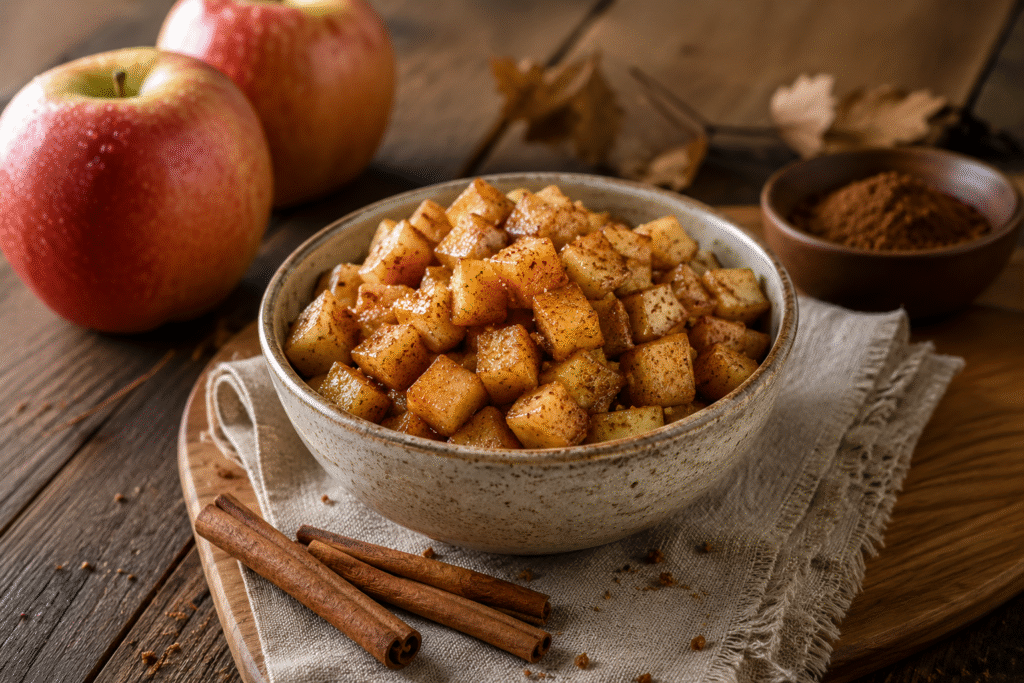
Cinnamon Apple Crisp for Two
Prep time: 10 mins | Cook time: 20 mins | Yield: 2 servings
Ingredients
- 2 Large apples (peeled, cored, and thinly diced)
- 1 tbsp Brown sugar (for the apples)
- 1/2 tsp Ground cinnamon
- 1/4 cup (25g) Rolled oats
- 2 tbsp All-purpose flour
- 1 1/2 tbsp Brown sugar (for the topping)
- 1 1/2 tbsp Cold unsalted butter, cubed
Instructions
- Prep: Preheat your oven to 375°F (190°C). Grease two small ramekins or a mini baking dish.
- Season the Fruit: In a bowl, toss the diced apples with 1 tablespoon of brown sugar and the ground cinnamon. Divide the spiced apples evenly between the ramekins.
- Make the Crisp Topping: In another bowl, combine the rolled oats, flour, and the remaining 1 1/2 tablespoons of brown sugar. Use your fingertips to rub the cold cubed butter into the mixture until it forms coarse, gravel-like crumbs.
- Bake: Scatter the oat topping generously over the apples. Bake for 20 minutes, or until the apples are tender and bubbling, and the oat topping is deeply golden and crunchy. Serve warm, ideally with a scoop of vanilla ice cream.
Welcome to Dessert Land: Exploring the World’s Best Sweet Destinations and Theme Cafes
For the ultimate sweet tooth, traveling isn’t about sightseeing; it’s about finding the ultimate Dessert Land. Around the globe, entire districts, boutiques, and theme cafes have dedicated themselves to pushing the boundaries of sugar craft.
Imagine walking down the streets of Paris, where window after window is filled with pristine, colorful rows of macarons and towering croquembouche. Or traveling to Tokyo, where high-tech cafes serve gravity-defying soufflé pancakes that wobble with cloud-like softness. From the historic pastry shops of Vienna serving rich Sachertorte to modern immersive dessert bars in New York City that offer multi-course sweet tasting menus paired with artisan drinks, the real-world “Dessert Land” is vibrant, innovative, and deeply delicious.
The Science of Baking: Why Temperature and Technique Matter in Dessert Making
Baking is often called a science, and for good reason. Unlike savory cooking, where you can easily taste and adjust as you go, baking relies on precise chemical reactions that happen behind a closed oven door.
- The Role of Temperature: Ingredients like butter and eggs must often be at room temperature to form a stable emulsion. When cold butter is called for (like in pie crusts), it creates steam pockets during baking, which is the secret behind flaky layers.
- The Power of Leavening: Baking soda requires an acid (like buttermilk or cocoa) to activate and create carbon dioxide bubbles, while baking powder contains its own acid and activates with moisture and heat.
- Gluten Development: Over-mixing flour develops gluten networks. While wonderful for chewy bread, it ruins the delicate, tender crumb structure desired in cakes and pastries.
Guilt-Free Dessert Alternatives: Healthy Ingredients for Mindful Eating
Enjoying a sweet lifestyle doesn’t mean compromising on health goals. Modern baking has entered an era of thoughtful adaptation, allowing us to create exceptional treats using nutrient-dense ingredients.
By swapping refined white flour for almond or oat flour, you add fiber and healthy fats while naturally lowering the glycemic index. Refined sugars can easily be replaced with natural alternatives like pure maple syrup, raw honey, or dates, which bring complex, caramel-like undertones to your creations. Mashed avocados or unsweetened applesauce can seamlessly replace butter in chocolate recipes, yielding incredibly moist textures while reducing saturated fats.
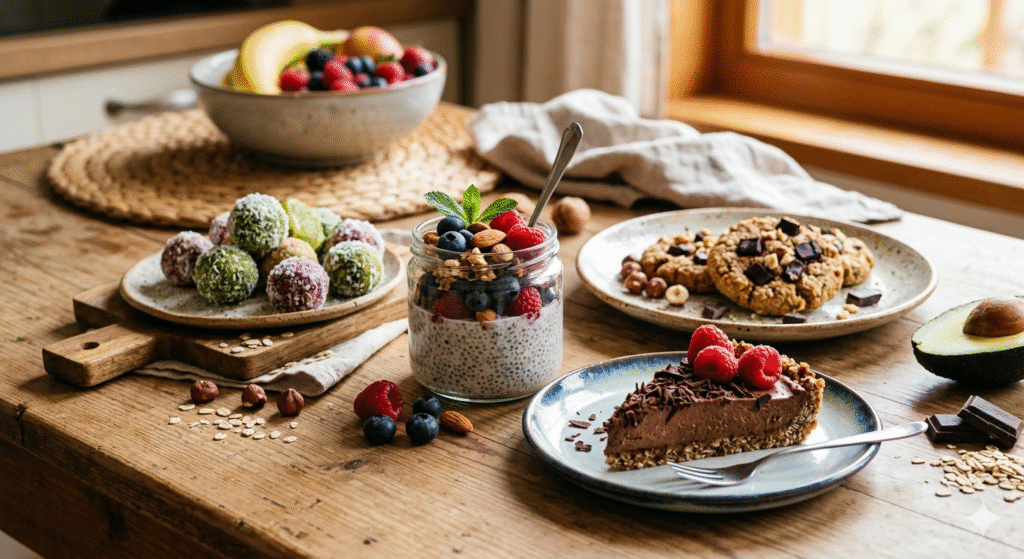
Stunning Dessert Presentation: Pro-Tips to Make Your Dishes Look Michelin-Star Worthy
We eat with our eyes first, and a beautiful presentation can elevate a simple dish into an unforgettable luxury experience.
[The Art of Plate Presentation]
  ├── Foundation: Use contrasting, clean plates (white or dark slate)
  ├── Geometry: Arrange components in odd numbers (rule of thirds)
  ├── Texture: Pair smooth elements (custard) with crunchy elements (shards/crumbs)
  └── Final Touch: A precise dust of cocoa or a vibrant micro-mint leaf
To present like a professional, avoid cluttering the plate. Utilize negative space. When serving sauces, try creating an elegant smear using the back of a spoon rather than pouring it directly over the food. A touch of height—such as resting a delicate crisp cookie against a scoop of ice cream—instantly adds a cinematic, architectural element to the dish.
The Future of the Dessert Industry: Trends, Fusion Flavors, and Innovations to Watch
The world of sweets is moving forward at an incredible pace. Today, chefs are actively breaking traditional boundaries to surprise modern food lovers.
We are seeing a massive rise in unexpected fusion flavor pairings, such as infusing classic Western pastries with botanical Eastern ingredients like matcha, ube, black sesame, and cardamom. Texture innovation is also taking center stage, with freeze-dried elements and nitrogen-infused creams offering entirely new mouthfeels. Above all, sustainability is shaping the future; plant-based stabilizers and ethically sourced cocoa bean initiatives ensure that the sweet treats we enjoy tomorrow are mindful of the planet.
FAQs About the World of Sweet Creations
What is the primary difference between baking soda and baking powder?
Baking soda is pure sodium bicarbonate and requires an acidic ingredient (like lemon juice, yogurt, or cocoa powder) to activate. Baking powder is a combination of sodium bicarbonate, an acidifying agent, and starch; it activates simply when mixed with moisture and exposed to heat.
How can I stop my cheesecakes from cracking on top?
Cracks are typically caused by sudden temperature drops or over-baking. To prevent this, bake your cheesecake in a water bath (bain-marie) to distribute heat evenly. Once baked, turn off your oven, crack the door open slightly, and let the cheesecake cool slowly inside the oven for an hour before removing it.
Can I reduce the sugar level in a cake recipe without ruining it?
Sugar does more than just sweeten a cake; it provides moisture, structural tenderness, and helps with browning. While you can safely reduce sugar by roughly 10% to 15% without major issues, reducing it drastically can result in a dry, dense, and tough cake.
Why did my cream chocolate ganache split or look greasy?
A split ganache occurs when the chocolate overheats or when liquid is introduced too quickly, causing the fats to separate from the solids. You can usually fix this by vigorously whisking a tablespoon of warm milk or a splash of warm water into the split mixture until it re-emulsifies and becomes smooth again.
Conclusion
At its core, crafting sweet food is an act of joy, creativity, and connection. From understanding historical meanings and perfecting your pronunciation to diving into advanced culinary science or whipping up a quick weeknight treat, baking offers a beautiful space to experiment and learn. The recipes provided here are more than just instructions; they are your gateway to creating moments of pure comfort and sharing happiness with the people around your table. So tie on your apron, preheat your oven, and enjoy every sweet step of the journey!

