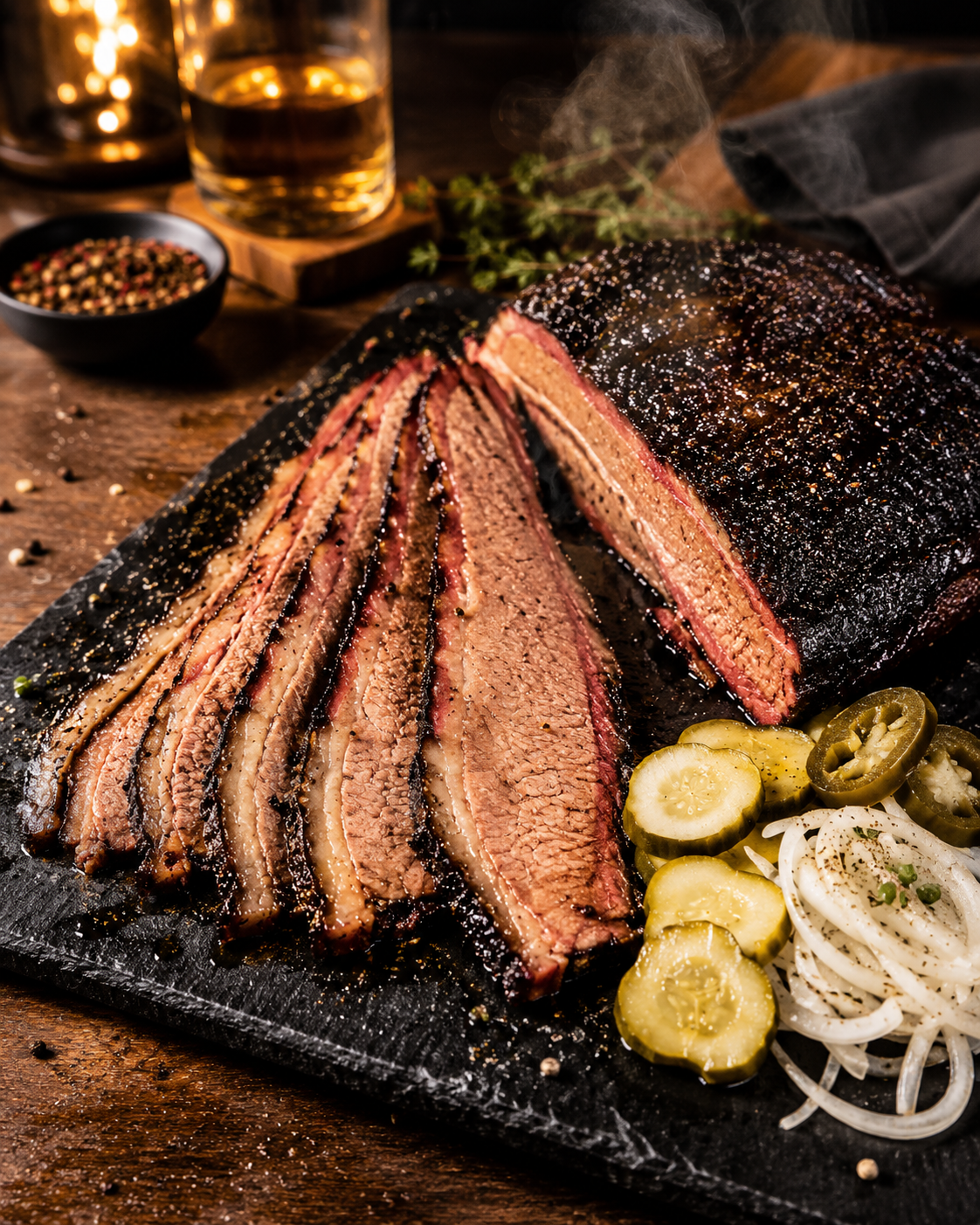
To achieve perfect sous vide brisket, cook the meat at 155°F (68.3°C) for 24 hours to render the fat and connective tissue effectively. Finish the brisket in the oven or on a smoker at 300°F for two hours to develop a crisp BBQ bark. This method guarantees juicy, tender beef every single time.
Barbecue enthusiasts often treat brisket like the ultimate test of culinary skill. Traditional smoking requires tending to a fire for over a dozen hours, monitoring internal temperatures constantly, and hoping the meat does not dry out. One wrong move, and your expensive cut of beef turns into shoe leather.
Fortunately, modern kitchen technology provides a foolproof alternative. Cooking a sous vide brisket eliminates the guesswork entirely. By using a precise water bath, you control the exact temperature of the meat from edge to edge.
This guide breaks down everything you need to know to master this technique. We will cover temperature settings, community secrets, and the exact steps required to transform a tough piece of meat into a melt-in-your-mouth masterpiece.
Why You Should Try Sous Vide Brisket for Perfect Results
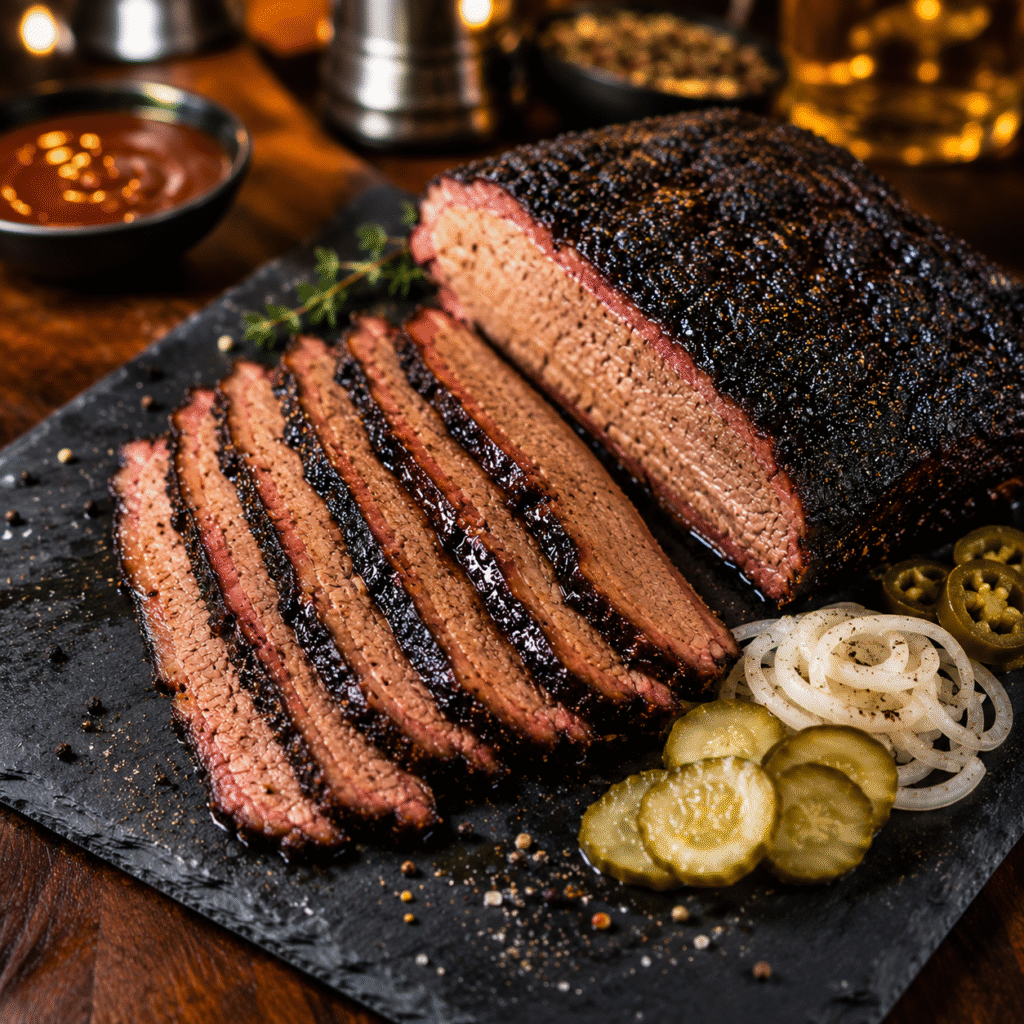
Brisket is notoriously difficult to cook because it comes from the heavily exercised chest area of the cow. It contains a massive amount of connective tissue and collagen. Traditional cooking methods run the risk of evaporating the meat’s moisture before that collagen fully breaks down.
A sous vide brisket solves this problem through precision and isolation. Vacuum-sealing the meat locks the moisture inside the bag. The water bath holds the beef at the exact temperature required to melt the collagen into rich gelatin without overcooking the muscle fibers. The result is unparalleled tenderness and a remarkably juicy texture that rivals top-tier BBQ joints.
What Does the Internet Say? The Best Sous Vide Brisket Reddit Secrets Revealed
If you browse cooking forums, you will quickly notice that the sous vide brisket reddit community is highly vocal about their favorite techniques. Enthusiasts have tested countless variations, and a few golden rules consistently rise to the top.
First, seasoned users highly recommend separating the point (the fatty side) from the flat (the leaner side) before bagging. These two muscles cook differently, and separating them allows you to season all sides thoroughly. Second, a popular community trick involves adding a few drops of liquid smoke to the vacuum bag. This simple addition mimics the authentic flavor of an outdoor smoker for those cooking entirely indoors. Finally, many users suggest chilling the cooked brisket in an ice bath before the final sear. This cooling step prevents the inside of the meat from overcooking when you apply high heat to create the crust.
Choosing Your Settings: The Ideal Sous Vide Brisket Temp and Timing
Selecting the right sous vide brisket temp depends entirely on the texture you want to achieve. Unlike a steak, which you might cook for just an hour, brisket requires a long bath to break down its tough fibers.
For a traditional, sliceable BBQ texture, set your circulator to 155°F (68.3°C) for 24 to 36 hours. This temperature renders the fat beautifully while keeping the slices intact. If you prefer a shreddable, pot-roast texture, lower the heat to 135°F (57.2°C) and extend the cooking time to 48 hours or more. Choose the higher temperature if slicing for sandwiches matters more than pulling the beef apart with a fork.
Understanding the Numbers: Sous Vide Brisket Celsius vs Fahrenheit Guide
Following international recipes can get confusing when dealing with precise heat levels. For absolute clarity, here is a quick sous vide brisket celsius to fahrenheit conversion guide based on preferred textures:
- Firm but tender (Steak-like): 135°F is exactly 57.2°C.
- Traditional BBQ slice: 155°F is exactly 68.3°C.
- Fall-apart shredded: 165°F is exactly 73.9°C.
Always calibrate your immersion circulator to ensure it displays the metric you are most comfortable reading. A difference of just a few degrees will fundamentally change the collagen breakdown process.
The Science of Time: Is a Sous Vide Brisket 24 Hours Cooking Shift Necessary?
A common question among beginners is whether a sous vide brisket 24 hours cook is truly required. The short answer is yes. Brisket needs prolonged exposure to heat to convert its tough collagen into tender gelatin.
At 155°F, it takes a minimum of 24 hours for this chemical conversion to happen thoroughly. Pulling the meat out too early means the connective tissues remain tight and rubbery. Giving the meat a full day in the water bath guarantees that the fat renders properly, resulting in a rich, luxurious mouthfeel.
Quick Cooking Tests: The Reality of a Sous Vide Brisket 12 Hours Method
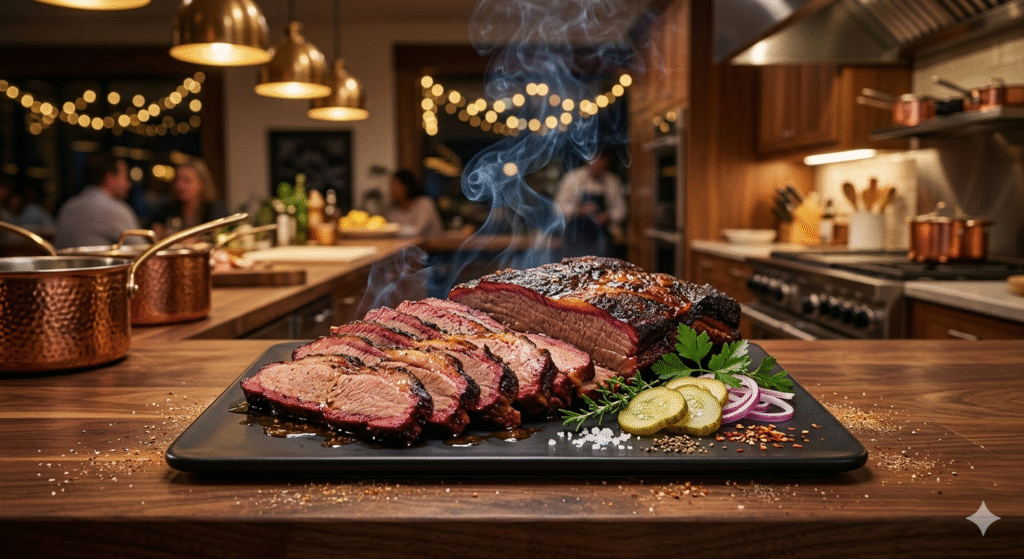
Sometimes, you simply do not have a full day to wait. If you attempt a sous vide brisket 12 hours cook, you must compensate for the lack of time by increasing the temperature.
To break down the tissues in just half a day, raise your water bath to 170°F (76.6°C). While this gets the job done faster, be aware of the trade-offs. The higher heat will expel more moisture from the meat. The resulting beef will taste delicious and tender, but it will lack the extreme juiciness found in the 24-hour method.
Can You Rush Perfection? Why a Sous Vide Brisket 6 Hours Cook Might Fall Short
Attempting a sous vide brisket 6 hours cook is generally a recipe for disappointment. Six hours is simply not enough time for the slow-cooking magic to occur, regardless of how high you set the temperature.
If you set the heat low, the meat remains completely tough. If you set the heat exceptionally high (near boiling), the muscle fibers contract violently, squeezing out all the juices and leaving you with a dry, gray block of beef. If you only have six hours until dinner, consider cooking a different, naturally tender cut of meat like a sirloin or ribeye instead.
The Ultimate Flavor Hack: How to Make a Sous Vide Brisket Guga Style
For a truly viral approach, you can attempt the famous sous vide brisket guga method, popularized by the YouTube channel Guga Foods. This technique involves heavily seasoning the meat with a robust dry rub featuring garlic powder, onion powder, coarse black pepper, and kosher salt.
The secret to this specific style is the heavy application of a mustard binder before pressing the rub into the meat. After the 24-hour water bath, the brisket gets rapidly chilled, patted completely dry, and then blasted with a flamethrower-style kitchen torch or placed in an extremely hot charcoal chimney setup. This rapid, intense heat instantly crystallizes the spices into a dark, incredibly flavorful crust without raising the internal temperature of the beef.
Lock in the Moisture: How to Safely Reheat Sous Vide Brisket Without Drying It Out
Leftovers are inevitable when cooking large cuts of beef. Knowing how to execute a sous vide brisket reheat ensures your second-day meals taste just as fresh as the first.
Do not put your leftover brisket in the microwave. Instead, place the sliced or whole leftovers into a fresh vacuum bag (or a high-quality zip-top freezer bag). Drop the sealed bag back into a water bath set to 130°F (54.4°C) for about 45 minutes to an hour. This gentle warming process brings the meat up to a serving temperature while ensuring none of the internal moisture escapes.
Pro Tips to Finish Your Sous Vide Brisket with a Perfect BBQ Bark
Your sous vide brisket is fully cooked and tender right out of the bag, but it lacks the iconic crust—known as bark—that defines great barbecue. Here are the exact steps to finish your masterpiece:
- Remove and dry: Take the meat out of the bag and use paper towels to dry the surface completely. Moisture prevents crust formation.
- Ice bath: Chill the meat in the refrigerator or an ice bath for 30 minutes. This prevents overcooking during the searing phase.
- Apply more rub: Sprinkle a fresh layer of your favorite BBQ rub over the dried surface.
- The final heat: Place the brisket in an oven or a traditional smoker set to 300°F (149°C) for 1.5 to 2 hours.
This final step dehydrates the exterior spices, creating a dark, crispy bark that contrasts perfectly with the melt-in-your-mouth interior.
Frequently Asked Questions (FAQ)
Can I overcook a sous vide brisket?
Yes. While it is harder to overcook meat in a water bath compared to an oven, leaving a brisket in for over 72 hours will break down the meat fibers so much that it becomes mushy and loses its structural integrity.
Do I need a vacuum sealer for sous vide brisket?
No. You can use heavy-duty, freezer-safe zip-top bags. Use the water displacement method by slowly lowering the unsealed bag into the water, letting the water pressure push the air out before sealing it shut.
Should I trim the fat before cooking?
Yes. Trim the hard fat cap down to about a quarter-inch thick before bagging. This allows the seasoning to penetrate the meat better and prevents the finished product from being overly greasy.


