
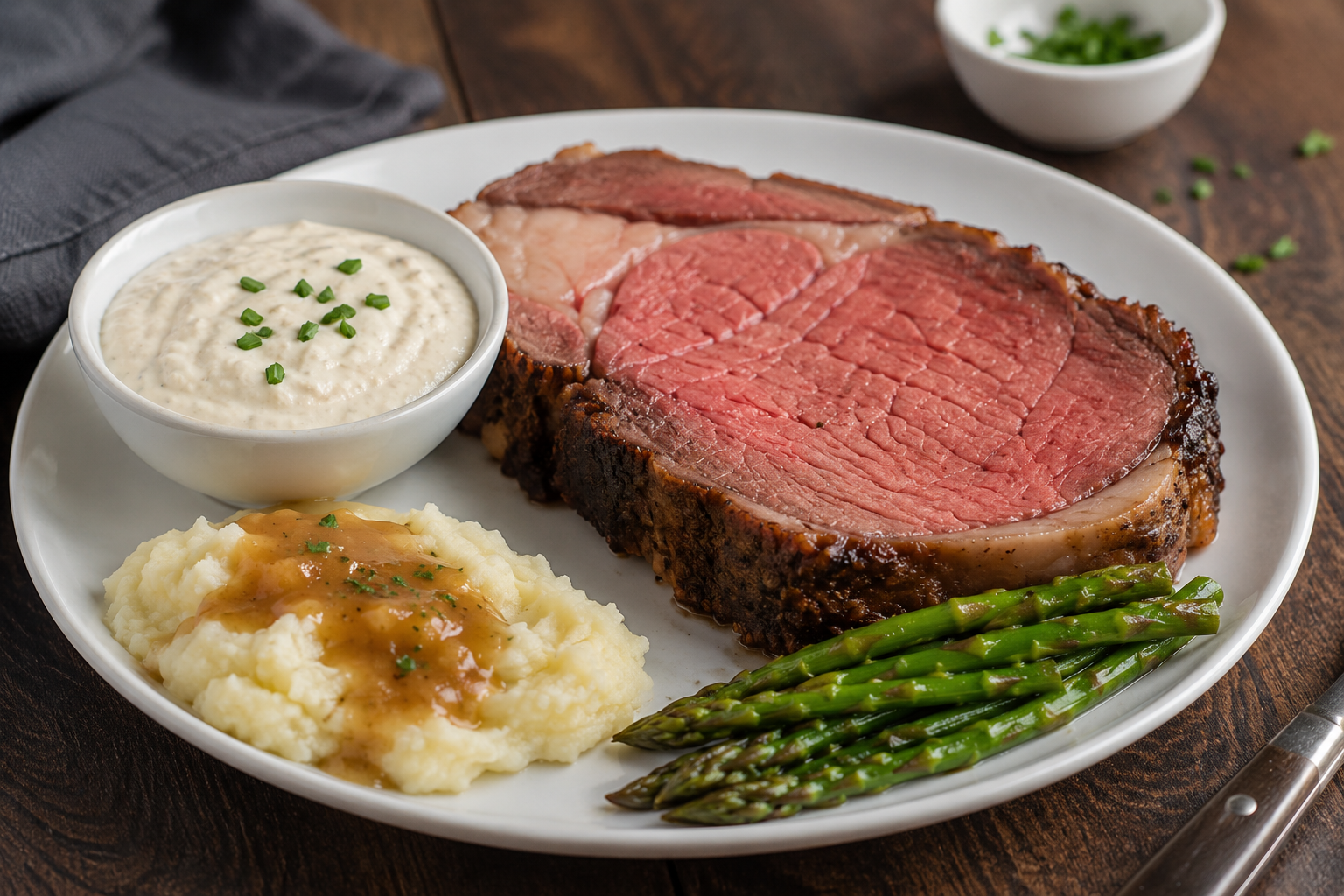
When it comes to a celebratory dinner, nothing commands the table quite like a perfectly roasted prime rib. Its rich, marbled texture and deep beefy flavor make it the king of roasts. However, even the most succulent piece of meat needs a partner to balance its intensity. That is where the classic horseradish sauce for prime rib comes into play.
A great sauce isn’t just a side dish; it’s a culinary tool that cuts through the fat, awakens the palate, and enhances the natural juices of the beef. In this guide, we will dive deep into why this sauce is essential, how to customize its heat, and the secrets to making it taste like it came straight from a high-end steakhouse.
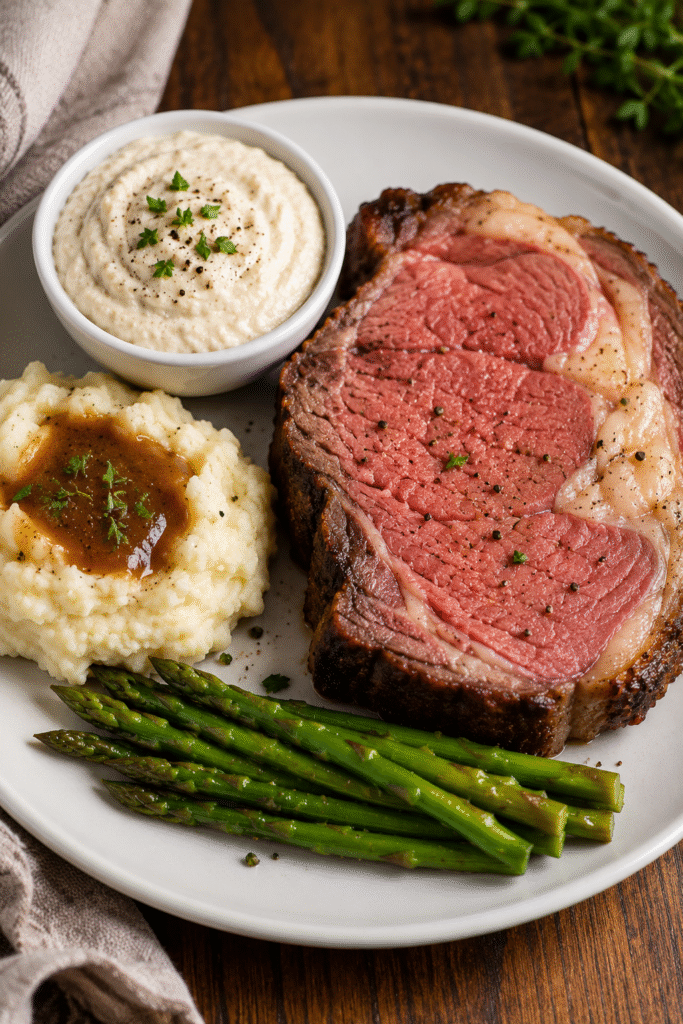
Why Every Roast Needs a Horseradish Sauce for Prime Rib
Prime rib is inherently rich. The heavy marbling that makes it so tender also means each bite is packed with fat. To prevent the palate from feeling “weighed down,” you need an element of acidity and sharp heat. This is the primary role of a horseradish sauce for prime rib.
Unlike a heavy gravy or a sweet glaze, horseradish provides a unique “sinus-clearing” heat that dissipates quickly, leaving behind a refreshed palate ready for the next bite of savory beef. The cream base of the sauce—usually sour cream or heavy crème fraîche—provides a cooling contrast to the sharp root, creating a symphony of flavors that elevate your dining experience.
Understanding Your Ingredients: The Anatomy of the Perfect Sauce
To create the best horseradish sauce for prime rib, you must understand the balance of four key elements: Creaminess, Heat, Acidity, and Herbs.
1. The Cream Base: Sour Cream vs. Greek Yogurt
Traditional recipes almost always call for full-fat sour cream. It has the perfect thickness and a slight natural tang that complements the beef. However, if you are looking for a slightly lighter or tangier version, you can substitute half of the sour cream with plain Greek yogurt. This adds a protein boost and a sharper zing.
2. The Star Ingredient: Prepared Horseradish
For a consistent horseradish sauce for prime rib, most chefs recommend using “Prepared Horseradish” from a jar. This is simply grated horseradish root preserved in vinegar and salt.
- Pro Tip: Do not buy “Horseradish Sauce” by mistake; that is already diluted with mayo or oil. You want the pure, grated stuff for maximum impact.
3. The Acid: Vinegar or Lemon?
Acidity is what “wakes up” the sauce. A splash of apple cider vinegar provides a rustic, deep tang, while fresh lemon juice offers a bright, citrusy lift. Both work well, but lemon juice is often preferred for holiday dinners as it feels a bit more refined.
4. The Flavor Enhancers: Mustard and Chives
To give your horseradish sauce for prime rib a professional depth of flavor, adding a teaspoon of Dijon mustard is a game-changer. It provides a back-end warmth that bridges the gap between the beef and the horseradish. Fresh chives or green onions add a pop of color and a mild onion-like sweetness that rounds out the sauce.
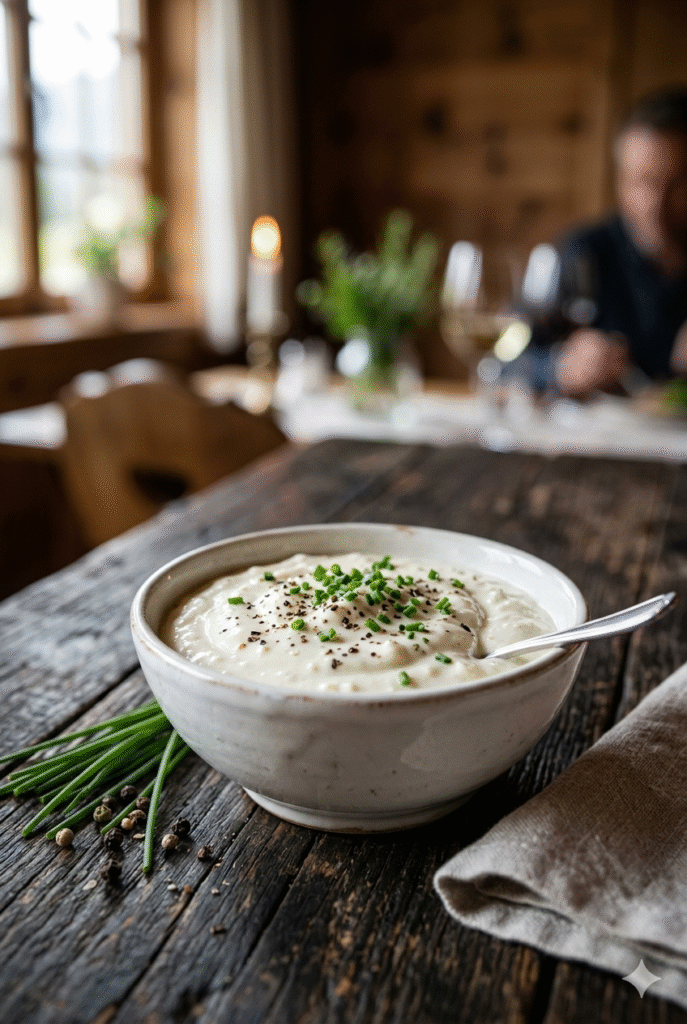
How to Control the “Heat” Levels
One of the most common questions from home cooks is how to manage the spiciness. The beauty of making your own horseradish sauce for prime rib is that you are in total control.
- For the Mild Palate: Start with just two tablespoons of horseradish per cup of cream. Add a little extra honey or a touch of heavy cream to mellow out the sting.
- For the Heat Seekers: Use freshly grated horseradish root instead of the jarred version. Fresh root is significantly more potent. Also, let the sauce sit at room temperature for 30 minutes before refrigerating; this allows the enzymes to release more heat.
- The “Mellowing” Secret: If your sauce is too spicy, adding a tablespoon of mayonnaise can help coat the tongue and dampen the immediate “burn” of the horseradish without losing the flavor.
Step-by-Step Culinary Tips for Success
While the WPRM card gives you the measurements, the technique is what makes a blog post valuable to your readers. When preparing your horseradish sauce for prime rib, follow these expert tips:
- Whisk, Don’t Fold: You want the ingredients to be fully emulsified. Use a small wire whisk to ensure the mustard and vinegar are completely incorporated into the sour cream.
- The Chilling Period: You cannot rush greatness. A horseradish sauce for prime rib needs at least 1 to 2 hours in the refrigerator. This “marrying” period allows the vinegar in the horseradish to break down the proteins in the sour cream, resulting in a thicker, more flavorful condiment.
- Check the Consistency: After chilling, the sauce might thicken significantly. If it’s too thick to dollop, whisk in a teaspoon of water or au jus (beef drippings) to bring it back to a creamy consistency.
Pairing Beyond the Prime Rib
While this recipe is titled as a horseradish sauce for prime rib, its versatility is unmatched in the kitchen.
- Steak Sandwiches: Use the leftovers as a spread for a roast beef or steak sandwich the next day.
- Baked Potatoes: Instead of plain sour cream, use this sauce to top a loaded baked potato.
- Smoked Salmon: The tanginess of the horseradish pairs surprisingly well with oily fish like salmon or trout.
Frequently Asked Questions (FAQs)
Can I make horseradish sauce for prime rib ahead of time? Yes! In fact, it is recommended. Making it 24 hours in advance allows the flavors to reach their peak. Just keep it in an airtight glass jar in the fridge.
Is this sauce gluten-free? Most versions of horseradish sauce for prime rib are naturally gluten-free. However, always check the label on your Dijon mustard and prepared horseradish to ensure no thickeners containing wheat were used.
How long does homemade horseradish sauce last? When stored properly in the refrigerator, it will stay fresh for 1 to 2 weeks. If you notice any separation, simply give it a quick stir before serving.
Conclusion: Elevate Your Dinner Table
Mastering the horseradish sauce for prime rib is a rite of passage for any serious home cook or food blogger. It is the final touch that turns a simple meal into a memorable feast. By balancing the sharp heat of the horseradish with the cooling richness of the cream, you create a condiment that your guests will be asking for long after the holiday season is over.
Next time you head to the butcher for a prime cut of beef, make sure you have your sour cream and horseradish ready. Your taste buds—and your guests—will thank you!
5-Minute Creamy Horseradish Sauce
Ingredients
Method
- In a medium mixing bowl, combine the sour cream, prepared horseradish, and Dijon mustard.
- Whisk in the apple cider vinegar, salt, and black pepper until the sauce is smooth and creamy.
- Fold in the fresh chives.
- Taste the sauce. If you want more heat, add another tablespoon of horseradish.
- Transfer to a serving bowl, cover, and refrigerate for at least 30 minutes before serving with your Prime Rib.

