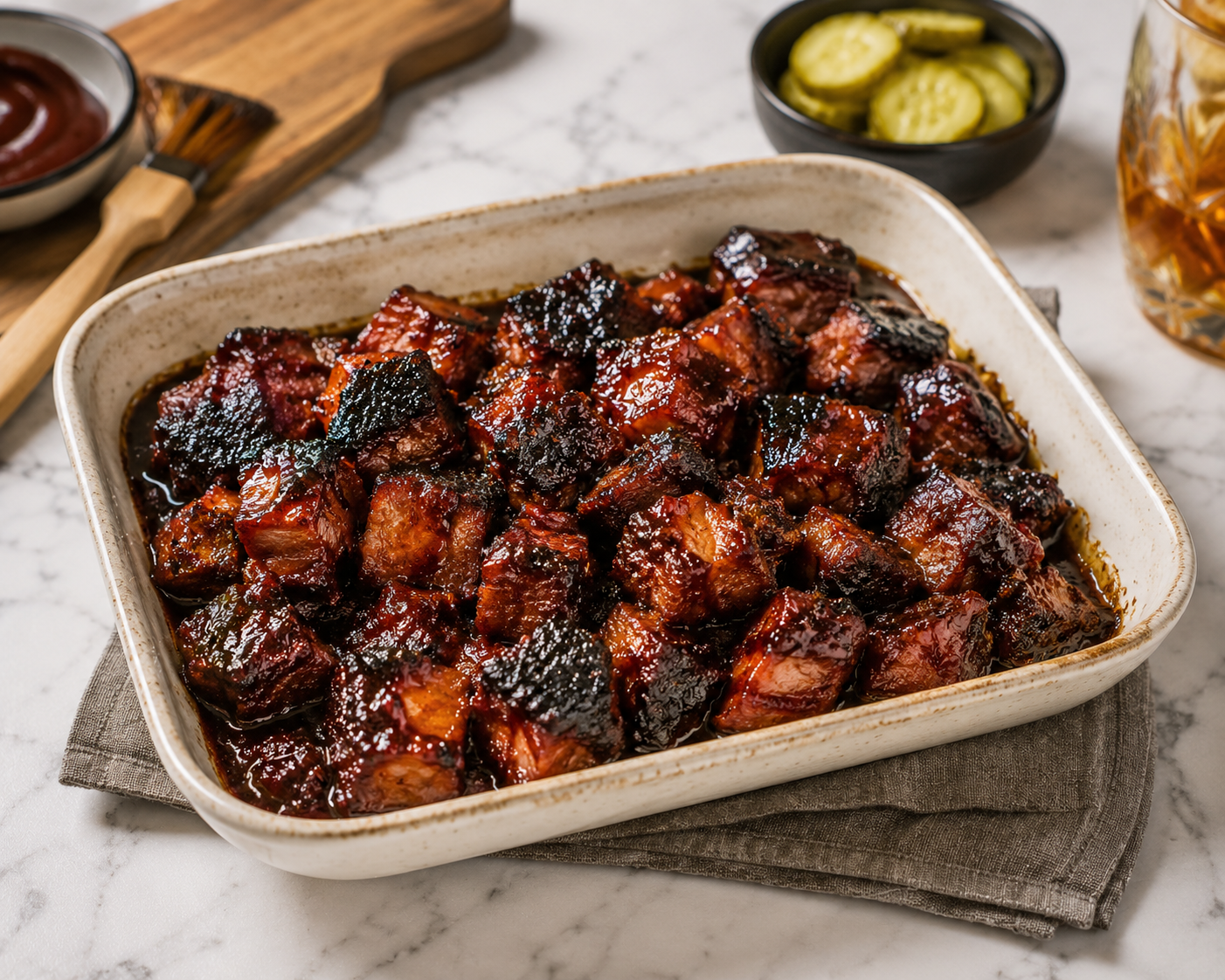
A classic burnt ends recipe transforms the fat-rich point cut of a beef brisket—or alternatives like pork belly—into smokey, caramelized, bite-sized BBQ treats. To make them, smoke the meat low and slow, cube it, toss the pieces in sweet BBQ sauce, and return them to the heat until a sticky, candy-like bark forms.
Anyone who has visited a true Kansas City barbecue joint knows the magic of meat candy. Those sticky, caramelized cubes of smoked meat pack more flavor into a single bite than an entire plate of standard ribs. Learning how to replicate that authentic smokehouse experience at home is a milestone for any backyard pitmaster.
While the traditional approach requires a whole packer brisket and a dedicated smoker, modern cooking techniques have made this delicacy accessible to every home chef. By mastering a reliable burnt ends recipe, you unlock the ability to turn affordable cuts of meat into highly sought-after barbecue delicacies.
Authentic Kansas City Brisket Burnt Ends Recipe
Ingredients
Method
- Trim the Brisket: Begin by trimming the brisket to remove excess fat while preserving a layer to maintain moisture during cooking. Ensure clean edges for even smoking.
- Season Generously: Apply your favorite BBQ rub all over the brisket, ensuring complete coverage. The flavors of the rub will form part of the bark and enhance every bite.
- Smoke the Brisket: Preheat your smoker to 225°F (107°C) and place the brisket fat side up. Smoke the meat until the internal temperature reaches 165°F (74°C), which typically takes 6-8 hours.
- Create the Cubes: Once cooked, remove the brisket and allow it to rest for 15-20 minutes. Slice the point of the brisket into 1-inch cubes to form the classic burnt ends.
- Coat in Flavor: Place the cubes in an aluminum pan. Add BBQ sauce, a sprinkle of brown sugar, cubed unsalted butter, and honey if desired. Toss to coat each cube evenly.
- Smoke Again: Return the pan to the smoker and cook uncovered at 225°F (107°C) for another 1.5-2 hours. This step allows the meat to caramelize and absorb the sauce fully.
- Serve and Enjoy: Once the burnt ends are tender, sticky, and bursting with flavor, remove them from the smoker. Serve fresh and hot as a savory appetizer or as part of a BBQ feast.
Why This Easy Burnt Ends Recipe Will Ruin Standard BBQ For You
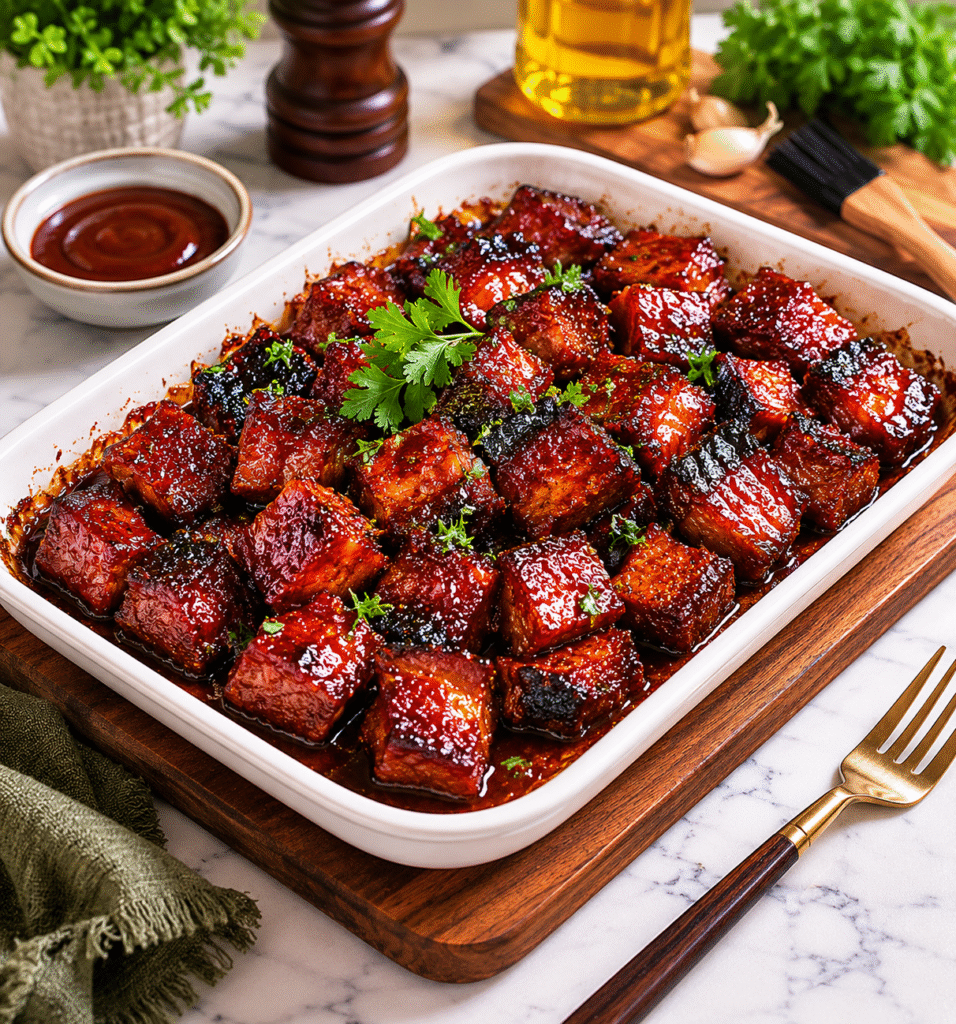
Once you serve a platter of perfectly rendered, sauce-glazed meat cubes, standard sliced brisket suddenly feels underwhelming. A solid burnt ends recipe takes advantage of the Maillard reaction—a chemical interaction between amino acids and reducing sugars that gives browned food its distinctive flavor. Because you cube the meat and smoke it a second time, every single bite develops a thick, flavorful bark. You get a maximum ratio of seasoning, smoke, and sauce in every mouthful.
The Classic Brisket Burnt Ends Recipe: Roots of Kansas City BBQ
Burnt ends are a signature dish deeply rooted in the traditions of Kansas City BBQ, celebrated for their intense flavor and tender texture. Here’s a step-by-step guide to creating this iconic recipe:
Ingredients:
- 1 whole beef brisket (preferably with a generous fat cap)
- BBQ rub of choice
- BBQ sauce of choice
- Brown sugar
- Unsalted butter, cubed
- Honey (optional)
Steps:
- Trim the Brisket
Begin by trimming the brisket to remove excess fat while preserving a layer to maintain moisture during cooking. Ensure clean edges for even smoking. - Season Generously
Apply your favorite BBQ rub all over the brisket, ensuring complete coverage. The flavors of the rub will form part of the bark and enhance every bite. - Smoke the Brisket
Preheat your smoker to 225°F (107°C) and place the brisket fat side up. Smoke the meat until the internal temperature reaches 165°F (74°C), which typically takes 6-8 hours. - Create the Cubes
Once cooked, remove the brisket and allow it to rest for 15-20 minutes. Slice the point of the brisket into 1-inch cubes to form the classic burnt ends. - Coat in Flavor
Place the cubes in an aluminum pan. Add BBQ sauce, a sprinkle of brown sugar, cubed unsalted butter, and honey if desired. Toss to coat each cube evenly. - Smoke Again
Return the pan to the smoker and cook uncovered at 225°F (107°C) for another 1.5-2 hours. This step allows the meat to caramelize and absorb the sauce fully. - Serve and Enjoy
Once the burnt ends are tender, sticky, and bursting with flavor, remove them from the smoker. Serve fresh and hot as a savory appetizer or as part of a BBQ feast.
Burnt ends epitomize the tradition of Kansas City BBQ, offering an irresistible combination of smoky, sweet, and savory in every bite.
The Melt-In-Your-Mouth Pork Belly Burnt Ends Masterclass
Beef brisket is undeniably delicious, but pork belly offers an incredibly forgiving alternative. The high fat content of pork belly practically guarantees a juicy final product.
Start your pork belly burnt ends masterclass by removing the skin from a slab of pork belly. Cut the raw meat into equal-sized cubes before you even apply your dry rub. Arrange the raw cubes on a wire cooling rack and smoke them for roughly three hours at 250°F. Once the pork belly develops a deep mahogany color, transfer the cubes to a pan with butter, brown sugar, and honey. Braise them covered for an hour, then uncover, add your sauce, and let them tack up.
Pork Burnt Ends Recipe vs Beef: Which Meat Claims the BBQ Crown?
Choosing between a pork burnt ends recipe and a beef version often comes down to your budget and time constraints. Beef brisket requires a significant time investment—often 10 to 14 hours—and trimming a whole packer brisket requires a bit of butchery skill. The resulting beef cubes deliver a robust, deeply savory flavor that traditionalists demand.
Pork belly, on the other hand, cooks much faster. You can complete a pork belly cook in about four to five hours. The flavor profile leans sweeter, making it a hit for family gatherings. Choose beef if you want absolute authenticity, and choose pork belly if you want a faster, richer appetizer.
No Smoker? No Problem! The Ultimate Burnt Ends Recipe – Oven Method
If you don’t have a smoker but still crave the delicious, caramelized perfection of burnt ends, your oven can be a worthy substitute. Follow these steps to create mouthwatering burnt ends using this simple method:
- Choose Your Meat: Select either a whole packer brisket or pork belly, depending on your preference. Trim any excess fat but leave enough to ensure the meat stays juicy during cooking.
- Season Generously: Apply a dry rub of your choice, ensuring the meat is coated evenly on all sides. Popular rubs include a mix of brown sugar, smoked paprika, garlic powder, onion powder, salt, and black pepper.
- Preheat Your Oven: Set your oven to 275°F (135°C). This low-and-slow approach mimics the cooking conditions of a smoker.
- Cook the Meat: Place the seasoned meat on a wire rack positioned atop a baking sheet lined with foil to allow airflow and trap drippings. Cook for about 3-4 hours, depending on the size and type of meat, until the internal temperature reaches approximately 165°F (74°C).
- Cut into Cubes: Once cooked, remove the meat from the oven and cut it into 1-inch cubes. This step is essential for creating that signature burnt end texture.
- Sauce and Caramelize: Place the cubes in a baking dish and toss them in your favorite barbecue sauce. Add a small amount of honey or brown sugar for extra sweetness. Return to the oven at 350°F (175°C) for an additional 30-40 minutes, flipping occasionally to ensure even caramelization.
- Rest and Serve: Allow the burnt ends to cool slightly so the juices redistribute. Serve as an appetizer or add them to sliders for a crowd-pleasing dish.
Using this method, you can achieve the smoky richness of burnt ends without needing a smoker—a perfect solution for any kitchen!
The Famous Poor Man’s Burnt Ends Recipe (Max Flavor on a Budget)
Follow these steps to create flavorful burnt ends that won’t break the bank:
- Choose Your Cut
Start with a budget-friendly cut of beef such as chuck roast. This cut is well-marbled, making it ideal for achieving tender, juicy burnt ends. Trim excess fat as needed to avoid overly greasy results. - Prepare the Dry Rub
Combine your favorite beef dry rub mix consisting of paprika, garlic powder, onion powder, brown sugar, salt, pepper, and a touch of cayenne for heat. Generously coat the chuck roast on all sides, pressing the rub into the meat. - Sear the Roast
Heat a few tablespoons of oil in a pan over medium-high heat. Sear the beef on all sides until a deep, caramelized crust forms. This step enhances the flavor and locks in the juices. - Slow Cook
Transfer the seared roast to a roasting pan or oven-safe dish. Cover with foil and bake at a low temperature of 275°F (135°C) for 3-4 hours, or until the beef is fork-tender. - Cut Into Cubes
Remove the roast from the oven and allow it to cool for 10-15 minutes. Cut the beef into bite-sized cubes, resembling traditional burnt ends. - Sauce It Up
Place the beef cubes in a baking dish and generously coat them with your favorite barbecue sauce. For a touch of sweetness, add honey or brown sugar. Toss to ensure each piece is fully coated. - Finish in the Oven
Return the sauced beef cubes to a 350°F (175°C) oven. Bake for an additional 30-40 minutes, stirring and flipping every 10 minutes to achieve a sticky, caramelized coating. - Rest and Serve
Remove the burnt ends from the oven and allow them to rest for a few minutes. Serve warm as a stand-alone dish, alongside traditional barbecue sides, or as a filling for sliders.
This budget-friendly recipe delivers maximum flavor with simple ingredients, making it perfect for both family dinners and gatherings!
How to Prep Your Meat for a Show-Stopping Burnt Ends Recipe Pork Belly
Preparation determines the success of your cook. For a show-stopping burnt ends recipe pork belly, uniformity is essential.
Trim any excess surface fat that feels overly hard, as it will not render properly during a shorter cook time. Use a sharp chef’s knife to slice the pork belly into identical 1.5-inch squares. If the pieces are uneven, the smaller ones will dry out before the larger ones finish cooking. Apply a mustard binder to help your sweet barbecue rub adhere to the meat, ensuring every side of the cube is evenly coated.
The Secret Sauce: Perfecting Your BBQ Burnt Ends Recipe Glaze
The meat provides the canvas, but the sauce delivers the signature finish. A great BBQ burnt ends recipe relies on a glaze that balances sweet, tangy, and savory notes.
Start with a base of high-quality ketchup or a tomato-based commercial barbecue sauce. Add dark brown sugar or molasses to promote caramelization. Introduce a splash of apple cider vinegar to cut through the heavy fat of the brisket or pork belly. For a deeper flavor profile, incorporate a splash of bourbon or a dollop of apple jelly during the final braising stage.
Pro-Tips for Achieving the Perfect Bark and Caramelization
Developing a thick bark without burning the sugars requires careful temperature management. Sugars burn rapidly when exposed to temperatures exceeding 350°F. During the final hour of your cook, keep your smoker or oven strictly between 250°F and 275°F. Stir the meat cubes gently every 20 minutes to ensure the sauce reduces evenly on all sides. When the sauce looks thick, dark, and tacky, pull the pan from the heat immediately.
Side Dishes and Pairings that Elevate Your Burnt Ends Feast
Rich, fatty barbecue requires side dishes that offer acidic contrast and textual variety. Creamy southern-style coleslaw cuts through the intense richness of the meat. A jalapeño cheddar cornbread provides a savory, mildly spicy vessel for soaking up any leftover glaze. For a classic pairing, serve your meat candy alongside smoky baked beans or a bright, vinegar-based potato salad.
Ready to Fire Up the Grill?
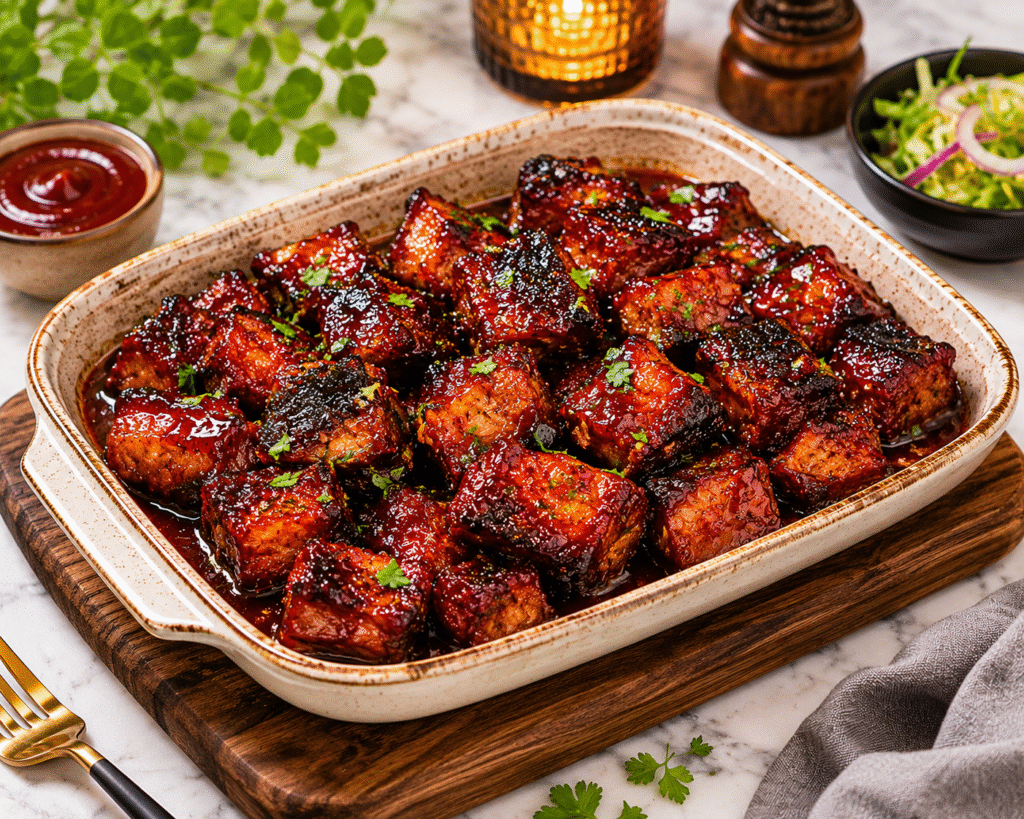
Mastering this technique elevates your backyard cooking game instantly. Whether you opt for a budget-friendly chuck roast or a luxurious pork belly, following a reliable burnt ends recipe guarantees a crowd-pleasing dish. Gather your ingredients, prep your smoker or oven, and get ready to enjoy the most flavorful bite in barbecue.
Frequently Asked Questions (FAQ)
What is the best cut of meat for a classic burnt ends recipe?
The best cut for a traditional burnt ends recipe is the point cut of a beef brisket. The point contains significantly more intramuscular fat than the brisket flat, allowing it to withstand long smoking times and high-heat caramelization without drying out.
Can you make burnt ends without a smoker?
Yes, you can use a burnt ends recipe oven method. By cooking chuck roast or pork belly low and slow in a covered roasting pan, then finishing the cubed meat in a hot oven (400°F) with BBQ sauce, you can achieve excellent caramelization indoors.
How long does it take to cook pork belly burnt ends?
A typical pork belly burnt ends recipe takes about 4 to 5 hours from start to finish. This includes 3 hours of initial smoking, followed by 1 to 2 hours of braising and caramelizing in a foil pan.
What is the difference between poor man’s burnt ends and traditional burnt ends?
Traditional versions use beef brisket point, which can be expensive and time-consuming. A poor man’s burnt ends recipe uses chuck roast, which is generally more affordable, cooks slightly faster, and still provides the rich beefy flavor and tenderness expected from the dish.


